2026-06-20
Menopause: Not the End, but the Beginning of Health Management
Learn about the symptoms of menopause, including hot flashes and emotional changes, and discover essential health management tips for a healthy transition.
The physical changes we face as we age come to everyone, but for women, ‘menopause’ carries a deeper meaning than simple aging. If your face suddenly feels hot and flushed for no reason, you wake up drenched in sweat, or your mood swings have increased with feelings of depression or irritability, these may be signals of menopause from your body. In this article, we will look at the representative symptoms and physical changes that occur in menopausal women and explore the right management methods to spend this period healthily.

What is Menopause?
Menopause refers to a period of physical and mental changes that occur around the time of the cessation of menstruation as ovarian function gradually declines. It generally begins between the late 40s and early 50s, and the primary cause is the decrease in estrogen, a female hormone. As women age, ovarian function slowly diminishes, and in this process, the secretion of female hormones decreases, leading to various physical changes. Menstrual cycles may become irregular, and one may experience hot flashes, night sweats, sleep disorders, fatigue, and depression. Some also complain of decreased concentration or memory changes. Furthermore, estrogen is known to be a hormone that plays a crucial role in overall health, including the brain, heart, blood vessels, skin, and bones, as well as reproductive organs like the uterus and breasts.
In this way, the various physical and mental changes that appear before and after the cessation of menstruation are collectively called menopause.
The pattern and severity of menopausal symptoms vary greatly from person to person; some pass through it without any particular discomfort, while others experience symptoms severe enough to affect daily life. Therefore, rather than viewing body changes as just a natural aging process, it is important to check your health status and manage it appropriately.
Representative Symptoms: Signals from the Body
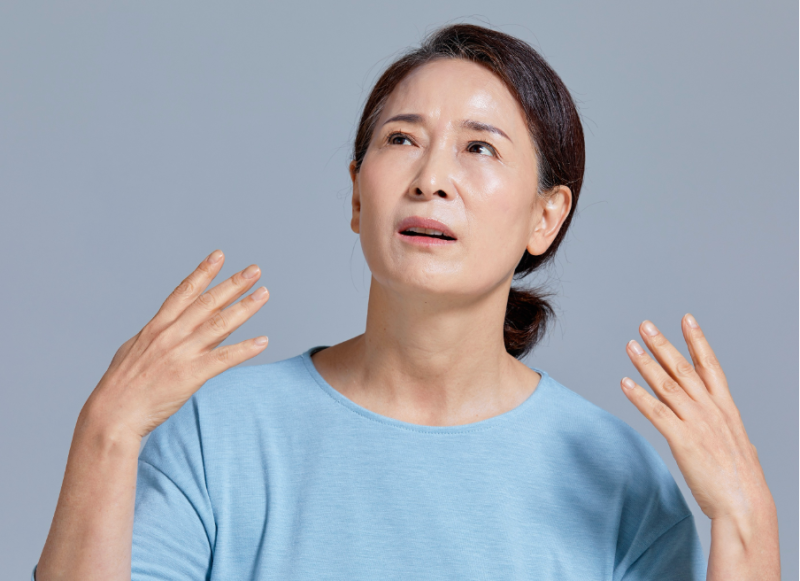
The most representative symptom of menopause is hot flashes. This is a symptom where the face, neck, or chest suddenly feels hot, turns red, and sweats for no apparent reason, often disappearing naturally after a few minutes. This happens because the brain’s function in regulating body temperature becomes sensitive as estrogen decreases. The severity of symptoms varies, but they may appear more severely in hot environments, stressful situations, or after consuming spicy or hot food. Some women experience hot flashes several times a day, and as symptoms repeat, they may feel discomfort in their daily lives.
Additionally, night sweats are a common menopausal symptom along with hot flashes. One may sweat so much during sleep that pajamas or bedding get wet, and subsequently wake up as the body cools down. If these symptoms repeat, it becomes difficult to get a good night’s sleep, and the quality of sleep drops, leading to chronic fatigue, decreased concentration, and lethargy, which can affect work and daily life. Menopausal sleep disorders do not just mean difficulty falling asleep. They can also manifest as waking up frequently after falling asleep or waking up early in the morning and having difficulty falling back to sleep. If sleep deprivation continues, not only physical fatigue but also mood swings and depression can worsen, requiring active management. To get a good night’s sleep, it is important to maintain a regular lifestyle of going to bed and waking up at the same time every day, reduce overeating or caffeine intake late at night, and practice steady physical activity and regular exercise during the day.
Major Menopausal Symptoms | Characteristics |
Hot Flashes | Heat sensation and skin flushing in face, neck, and chest |
Night Sweats | Excessive sweating during sleep |
Sleep Disorders | Frequent waking or difficulty maintaining deep sleep |
Palpitations | Feeling of the heart beating rapidly |
Fatigue | Chronic lethargy and decreased concentration |
Representative Symptoms: Mental Signals
One of the mental symptoms commonly reported by women experiencing menopause is emotional change. There are cases where one reacts sensitively to things that would normally be overlooked, or feels depression and anxiety for no particular reason. These changes are not simply personality changes that appear with age, but are also closely related to the decrease in female hormones. Estrogen affects the function of neurotransmitters such as serotonin and norepinephrine, which are involved in mood and emotion regulation. As estrogen secretion decreases during menopause, the likelihood of experiencing mood swings, depression, or anxiety increases. Furthermore, if one cannot get a good night’s sleep due to the aforementioned hot flashes, night sweats, and sleep disorders, fatigue accumulates and stress increases, making psychological discomfort more prominent.
Memory loss or forgetfulness is also one of the changes frequently experienced by menopausal women. It may become common to quickly forget what was recently heard or not remember where objects were placed. However, memory loss appearing during menopause is mostly related to decreased concentration and is different from degenerative dementia. Generally, memories return with hints or over time, and there is usually no great difficulty in performing daily activities. On the other hand, dementia is characterized by a decrease in judgment, language ability, and problem-solving skills along with memory loss, with symptoms gradually worsening over time.
Classification | Forgetfulness | Dementia |
Memory Recovery | Possible with hints | Difficult even with hints |
Daily Life | Maintained normally | Performance ability declines |
Progression | Temporary | Gradual worsening |
Other Symptoms of Menopause
Other symptoms of menopause include various changes in the reproductive and urinary systems. One representative symptom is vaginal dryness. As estrogen decreases, the vaginal mucosa gradually thins and loses elasticity, leading to dryness. This can result in reduced secretions, itching, stinging, and discomfort or pain during sexual activity.
Changes in urination habits are also common during menopause; one may visit the bathroom more frequently than before or suddenly feel a strong urge to urinate. Urinary incontinence, where urine leaks involuntarily during coughing, sneezing, or exercise, may also occur. These changes are known to be related to the weakening of pelvic floor muscles and changes in urogenital tissues due to the decrease in female hormones. However, many women endure these symptoms, thinking they are embarrassing or a natural phenomenon of aging. Since vaginal dryness and urinary incontinence can be improved through appropriate lifestyle changes and treatment, it is helpful to consult a specialist if discomfort persists. In particular, if frequent urination is accompanied by pain during urination, fever, chills, cloudy urine, or bloody urine, it may be a condition like a urinary tract infection rather than simple menopausal symptoms, so it is important to visit a medical institution for an accurate diagnosis.
Diseases to Watch Out for After Menopause
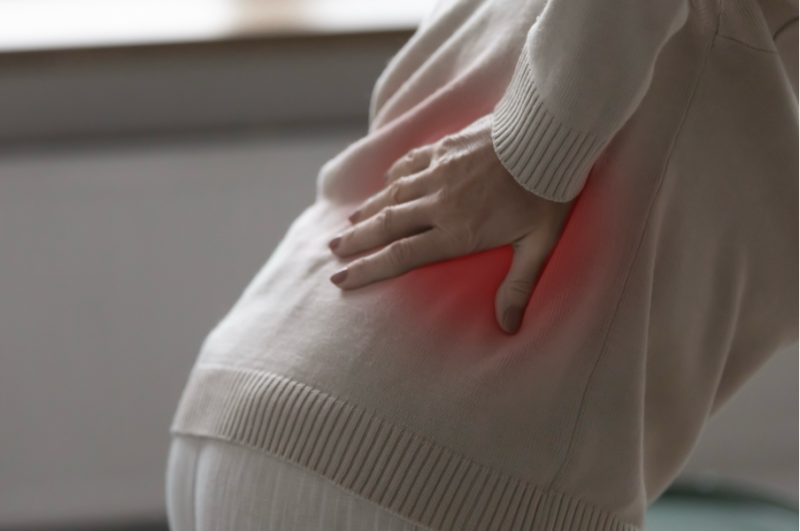
In addition, the decrease in estrogen can increase the long-term risk of cardiovascular disease and osteoporosis, requiring caution. According to domestic and international research, women have a lower risk of cardiovascular disease than men of the same age until menopause, but after menopause, the difference narrows and the risk increases rapidly. Estrogen plays a role in inhibiting fat accumulation in blood vessels and protecting them. However, after menopause, this protective effect decreases, increasing the possibility of arteriosclerosis progression. Therefore, it is important to consistently manage cardiovascular risk factors such as high blood pressure, diabetes, and dyslipidemia.
Furthermore, estrogen plays an important role in maintaining bone density. After menopause, the rate of bone loss becomes faster than the rate of bone formation, leading to a sharp decrease in bone density. This increases the risk of osteoporosis, and even without special symptoms, fractures can occur from small impacts or light falls. In particular, spinal compression fractures or hip fractures can lead to not only pain but also restricted physical activity and a decrease in quality of life. Therefore, postmenopausal women should check their current health status through regular health checkups and bone density tests, and combine this with appropriate exercise and nutritional management.
Daily Management for a Healthy Menopause

Menopause is a natural physiological change, but the severity of symptoms and subsequent health status can vary depending on lifestyle management. Therefore, rather than thinking of menopause as a period to simply endure, it is necessary to accept it as an important turning point for preparing for a healthy old age.
The most basic element is regular exercise.
Aerobic exercises such as walking, swimming, and cycling help improve blood circulation and maintain cardiovascular health, and can also have a positive effect on alleviating stress and depression. Additionally, strength training helps maintain muscle mass, which decreases with age, and slows down the decrease in bone density, playing an important role in preventing osteoporosis.
A balanced diet is also indispensable.
After menopause, it is important to consume enough calcium and vitamin D for bone health, and it is good to appropriately include milk, cheese, tofu, beans, and fish in the diet. It is also desirable to increase dietary fiber intake by consuming plenty of vegetables and fruits, and to reduce excessive sodium and sugar intake.
Lifestyle management is equally important.
Caffeine and alcohol can worsen hot flashes and sleep disorders, so it is best to avoid excessive consumption. Quitting smoking helps lower the risk of cardiovascular disease and osteoporosis. Furthermore, it is necessary to maintain regular sleep habits and check your current health status through regular health checkups.
Checklist for a Healthy Menopause | |
□ Do you exercise regularly for more than 150 minutes a week? □ Are you consuming enough protein? □ Are you consuming enough calcium and vitamin D? □ Are you maintaining an appropriate weight? □ Are you practicing smoking cessation and reducing alcohol consumption? □ Are you maintaining regular sleep habits? □ Are you receiving regular health checkups? □ Are you consulting a specialist if necessary? ※ This checklist is a reference for self-assessment and does not imply medical diagnosis or treatment. Please confirm an accurate assessment of your health status through consultation with a specialist. |
Menopause is a natural change that comes to everyone, but the quality of life thereafter can vary greatly depending on health management. It is important to understand the signals sent by the body accurately and manage them actively rather than dismissing them as simple aging phenomena. Especially if symptoms such as hot flashes, insomnia, and depression persist, or if there are risk factors for osteoporosis and cardiovascular disease, please prepare for a healthy middle and old age through specialist consultation and regular checkups.
※ References
1. Korea Disease Control and Prevention Agency (KDCA) National Health Information Portal (https://health.kdca.go.kr)
2. KDCA Health Management Guidebook for Women with Disabilities, etc.
Chaum Appointment Inquiry: 02-3015-5300 | Life Center Chaum, 4-1 Cheongdam-dong, Gangnam-gu, Seoul

Frequently Asked Questions
When does menopause usually start?
It generally starts between the late 40s and early 50s. As women age, ovarian function declines and the secretion of estrogen, a female hormone, decreases, leading to various physical and mental changes around menopause.
What are the typical physical symptoms of menopause?
The most common symptoms are hot flashes, night sweats, and sleep disturbances. The face or neck may turn red and feel hot without a specific reason, and excessive sweating or frequent awakenings during sleep can lead to chronic fatigue and lethargy.
Is menopausal forgetfulness an early symptom of dementia?
No, it is not. The memory decline experienced during menopause is mostly temporary forgetfulness related to decreased concentration. Unlike forgetfulness, where memory can be recalled with hints and daily life is not significantly affected, dementia involves a decline in judgment and language skills, and it progressively worsens.
Are there any diseases that require special attention after menopause?
Yes, there is an increased risk of cardiovascular diseases and osteoporosis, so special attention is needed. This is because estrogen, which plays a role in protecting blood vessels and maintaining bone density, decreases. It is important to check your health status through regular health check-ups and bone density tests.
How should I manage menopausal symptoms to alleviate them?
Regular exercise and maintaining a balanced diet are most important. Combine aerobic exercises like walking or swimming with strength training, and consume enough calcium and vitamin D for bone health. It is also advisable to reduce caffeine and alcohol intake and quit smoking.