2026-06-03
Spring into Health with a Balanced Diet
As activity levels rise in spring, maintaining a balanced diet is key. Learn how to manage protein intake, reduce sugars, and make smarter food choices for long-term health.

As the seasons change to spring, increased activity levels can easily disrupt daily rhythms and eating habits. During this period, outdoor activities rise, leading to irregular meal times and a higher consumption of convenience or processed foods. Since focusing only on specific nutrients can upset the overall dietary balance,
creating a balanced meal structure tailored to your lifestyle and physical condition is the starting point for health management.
Today, based on data from the Korea Disease Control and Prevention Agency (KDCA), we will look at practical steps to maintain a healthier diet during the spring season.

Balanced Diet: What to Reduce and What to Fill

A healthy diet is not simply about reducing calories; it begins with distinguishing between ‘what to reduce’ and ‘what to fill up on.’ According to KDCA data, simple sugars and sodium are emphasized as the primary elements to reduce. Beverages, desserts, and processed foods containing sugar and high-fructose corn syrup can cause rapid blood sugar spikes and stimulate insulin secretion, increasing metabolic burden. Additionally, meals centered around soups or processed foods lead to excessive sodium intake, which is a factor in rising blood pressure and increased cardiovascular strain.
Conversely, the nutrients that should be sufficiently replenished are also clear. Protein is essential for maintaining muscle and immune function, while dietary fiber plays a crucial role in gut health and satiety. Furthermore, unsaturated fatty acids found in fish and nuts are known to have a positive effect on reducing cardiovascular disease risk when they replace saturated fats. While eating healthy foods is important, the most sustainable method is naturally adjusting proportions within daily meals rather than extremely restricting or overemphasizing specific foods.
Type | Category | Health Impact |
Simple Sugars (Sugar, HFCS) | Reduce ▼ | Blood sugar spikes, metabolic burden |
Sodium (Processed foods, Soups) | Reduce ▼ | Risk of high blood pressure |
Protein | Fill ▲ | Muscle and immune maintenance |
Dietary Fiber | Fill ▲ | Gut health, satiety |
Unsaturated Fat | Fill ▲ | Vascular health |
Protein Intake: Tailored to ‘You’
Protein is a key nutrient that makes up muscles, organs, hormones, and the immune system, occupying a significant portion of a healthy diet. Rather than an approach where more is always better, it is important to maintain an appropriate amount based on an individual’s weight and activity level. According to KDCA standards, the basic recommended amount for an average adult is about 0.8g per 1kg of body weight, and 1.0 to 1.2g can be considered depending on activity levels or muscle maintenance goals.
The ‘method’ of protein intake is also a crucial factor; rather than consuming a large amount at once, dividing it into three meals a day helps improve the body’s utilization efficiency. Generally, it is desirable to aim for about 20g per meal, which can consist of 100g of chicken breast or fish, 2–3 eggs, or tofu. Furthermore, it is more effective for nutritional balance to diversify protein sources across various food groups such as fish, legumes, and dairy products rather than focusing solely on meat. Ultimately, the key to protein intake is ‘distribution’ and ‘diversity,’ not just quantity.
Recently, there has been an increase in the daily consumption of protein supplements or high-protein convenience foods by the general public. If you are already getting enough protein through meals, additional supplementation is not necessarily required; in fact, excessive protein intake can increase the burden on the body, especially if kidney function is impaired. Therefore, the use of supplements should be decided based on individual meal volume, activity level, and exercise habits. When choosing products, it is important to check not only the protein content but also sugars, sodium, fat, and additives. Ultimately, a high-protein diet is not a method that applies to everyone, but should be approached selectively based on necessity for strategic health management.
Low-Sugar and Zero-Sugar Foods: In Moderation!

Recently, ‘low-sugar’ or ‘zero’ foods have seen increased consumption as they are perceived as healthy. In reality, the terms low-sugar and zero are labels based on specific threshold values. According to the KDCA, a ‘low-sugar’ label can be used if there are 5g or less of sugar per 100g or 100mL, and ‘sugar-free’ can be used if it is less than 0.5g. In other words, it does not mean ‘completely zero,’ but is a label used when it is below a certain level. Similarly, ‘0 kcal’ can be used when there are fewer than 4 kcal per 100g or 100mL, meaning it may contain a small amount of calories. Therefore, these products should ideally be used as supplementary options to reduce sugar intake. It is recommended to maintain basic hydration through water or unsweetened tea and choose alternative beverages only when necessary. Additionally, when selecting products, it is important to check other ingredients such as the type of sweetener, caffeine, and sodium to prevent excessive intake. No matter how low-sugar or low-calorie a food is, frequent consumption can lead to exceeding total sugar intake limits, so moderate consumption is advised.
Diet and Lifestyle Habits for Health
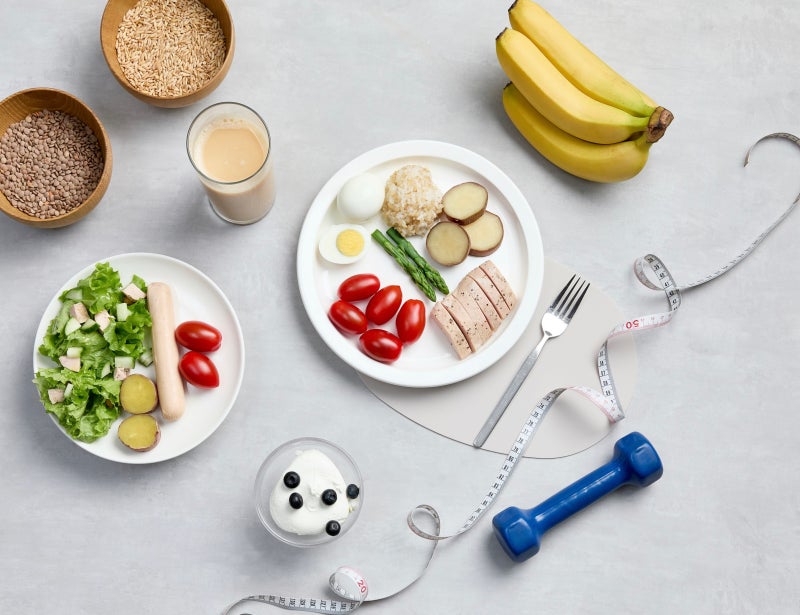
A balanced diet does not depend on emphasizing a specific nutrient, but on how the overall meal structure is designed. Carbohydrates should consist mainly of whole grains instead of refined sugars, and protein should be consumed across various food groups. It is recommended to reduce saturated and trans fats and focus on unsaturated fats. Additionally, consuming plenty of vegetables and fruits to maintain dietary fiber intake is a vital factor. The way you eat also directly affects your health. Some studies report that eating in the order of vegetables → protein → carbohydrates can help slow down the rate of blood sugar rise, and the habit of eating slowly helps prevent overeating by allowing time for the brain to recognize satiety. Furthermore, reducing processed foods and sugary drinks and choosing cooking methods like grilling or steaming over frying leads to actual dietary improvement. These habits have a more significant impact on long-term metabolic health than short-term weight management.
The core of dietary management is not following a specific food or trend, but maintaining a balance that fits your individual lifestyle and physical condition. Protein should be divided and consumed based on weight, and low-sugar/zero foods should be used supplementally. Ultimately, healthy eating habits do not start with grand changes, but with small choices in daily life. Try applying even just one of these standards to your meal today and have a healthy spring season.
References
Korea Disease Control and Prevention Agency (KDCA) National Health Information Portal, ‘A Healthy Diet to Open the Spring, More Balanced’
https://health.kdca.go.kr/healthinfo/biz/health/ntcnInfo/healthSourc/thtimtCntnts/thtimtCntntsView.do?thtimt_cntnts_sn=134
Frequently Asked Questions
How much protein should I consume per day?
For an average adult, it is recommended to consume about 0.8g of protein per 1kg of body weight. This can be increased to 1.0-1.2g depending on activity level or muscle maintenance goals. Instead of consuming it all at once, it is better to divide it into three meals a day, consuming about 20g per meal, to increase the body's utilization efficiency.
Do I have to take protein supplements?
No, it is not absolutely necessary to consume them. If you are already consuming enough protein through your daily diet, additional supplementation is not needed. Excessive protein intake can put a burden on individuals with impaired kidney function, so it should be chosen based on personal dietary intake and exercise.
Can zero-calorie drinks be consumed instead of water?
No, it is better to use them only as a supplementary means rather than replacing water. The 0kcal label can be used when it is less than 4kcal per 100ml, so a small amount of calories may be included. It is recommended to get basic hydration from water or unsweetened tea, and consume zero-calorie drinks only occasionally.
Is there a correct eating order to prevent blood sugar spikes?
Yes, it is recommended to eat in the order of vegetables, protein, and carbohydrates. Eating fiber-rich vegetables first, then protein, and finally carbohydrates helps to slow down the rate of blood sugar rise. Also, eating slowly to feel full is important in preventing overeating.