2026-06-03
Polycystic Ovary Syndrome (PCOS): Symptoms, Causes, and Essential Management Strategies
Learn about Polycystic Ovary Syndrome (PCOS), its symptoms like irregular periods and weight gain, and how to manage it through lifestyle changes and medical treatment.
Irregular menstruation in women of childbearing age is often dismissed as a simple drop in physical condition or temporary stress. However, if the menstrual cycle becomes repeatedly irregular or if menstruation is absent for several months, it is necessary to suspect an imbalance in the body’s hormones. One of the representative causes is ‘Polycystic Ovary Syndrome (PCOS).’ In this article, we will explore Polycystic Ovary Syndrome.
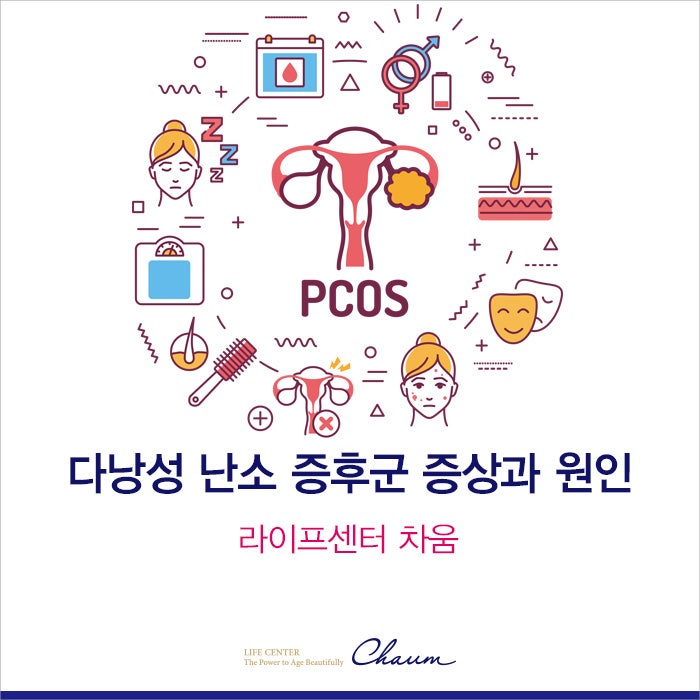
What is Polycystic Ovary Syndrome, a Red Flag for Women’s Health?
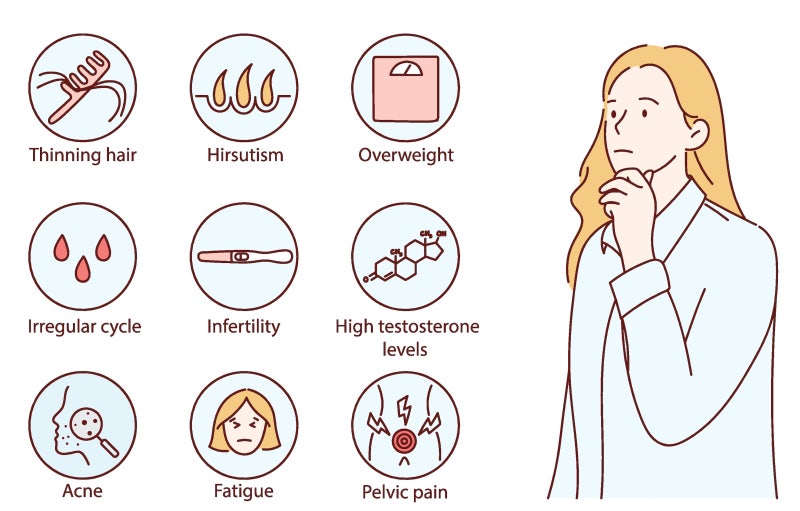
Polycystic Ovary Syndrome is a relatively common endocrine disorder in women of childbearing age, characterized by a complex combination of ovulation disorders, increased male hormones, and metabolic abnormalities. According to the Korea Disease Control and Prevention Agency (KDCA) National Health Information Portal, PCOS is not limited to menstrual issues but is known to be associated with long-term metabolic diseases such as obesity, insulin resistance, type 2 diabetes, and dyslipidemia. In particular, if ovulation does not occur smoothly on a repeated basis, it can make pregnancy difficult, making early diagnosis and consistent management crucial for fertility care. Furthermore, the symptoms of PCOS vary greatly from person to person. In some cases, only mild menstrual irregularities appear, while in others, physical changes such as acne, hirsutism (excessive hair growth), weight gain, and hair loss may occur. Since symptoms often progress gradually, they are easily mistaken for simple skin or weight issues, but they may actually represent a state where overall hormonal and metabolic functions are complexly affected.
Diagnostic Methods for Polycystic Ovary Syndrome
Polycystic Ovary Syndrome is not a disease that can be determined by a single test. Generally, it is diagnosed if two or more of the following three criteria are confirmed.
The first is ovulatory dysfunction.
Typically, oligomenorrhea may occur, where the menstrual cycle extends beyond 35 days or the frequency of menstruation decreases to fewer than 8 times a year. In severe cases, amenorrhea—the absence of menstruation for several months—may persist. This phenomenon occurs because follicles do not lead to normal ovulation even if they grow sufficiently.
The second is hyperandrogenism (excess male hormones).
Androgens are hormones that also exist in women, but an excessive increase can cause various symptoms. Elevated male hormone levels can be confirmed through blood tests, and clinical symptoms may include acne, hirsutism, and male-pattern hair loss. In particular, hirsutism, characterized by increased coarse hair on the chin, upper lip, chest, and abdomen, is a representative clinical symptom.
The third is polycystic ovary morphology confirmed via ultrasound.
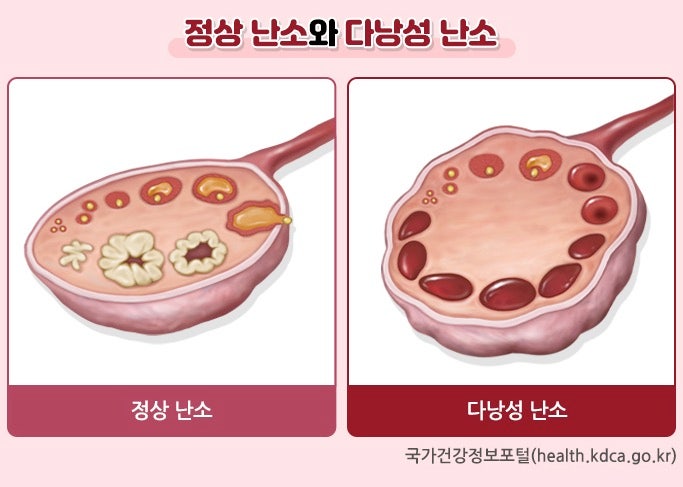
This refers to a state where many small immature follicles are observed inside the ovary or the size of the ovary is increased. In the past, the criterion was 12 or more small follicles, but recently, with the improvement of ultrasound resolution, a criterion of 20 or more is often applied.
Diagnostic Criteria | Key Features | Confirmation Method |
Ovulatory Dysfunction | Oligomenorrhea, Amenorrhea | Check menstrual cycle |
Hyperandrogenism | Acne, Hirsutism, Hair loss | Blood test & clinical symptoms |
Polycystic Ovary Morphology | Multiple small follicles observed | Pelvic ultrasound |
However, since symptoms can be similar to other hormonal disorders such as thyroid disease, hyperprolactinemia, and congenital adrenal hyperplasia, an accurate differential diagnosis is necessary. Therefore, if there are menstrual irregularities or repeated ovulation abnormalities, a systematic evaluation by an obstetrician-gynecologist is important.
The Main Cause is Hormonal Imbalance
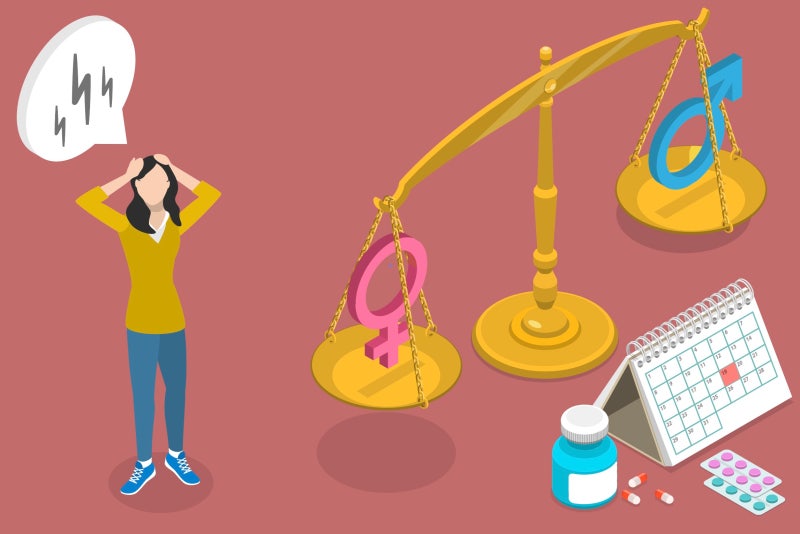
Polycystic Ovary Syndrome is not a disease that only affects the menstrual cycle. The combination of hormonal imbalance and insulin resistance can have various effects on systemic health. One representative symptom is physical changes due to hyperandrogenism. Adult acne may recur or show a poor response to treatment, and female-pattern hair loss, where hair thins at the crown of the scalp, may appear. Additionally, hirsutism, with increased coarse hair around the chin, upper lip, and abdomen, may be present. Notably, many PCOS patients also exhibit insulin resistance.
Insulin resistance refers to a state where the body’s cells do not respond properly to insulin. In this case, insulin is secreted excessively to regulate blood sugar, which can result in an increased risk of weight gain and abdominal obesity. Some patients may also develop acanthosis nigricans, where the skin on the back of the neck or armpits becomes darkly pigmented and thickened. The KDCA National Health Information Portal also explains PCOS as a condition associated with metabolic syndrome. In the long term, it can be related to an increased risk of type 2 diabetes, dyslipidemia, and hypertension, and may potentially affect cardiovascular health. Furthermore, if the state of irregular ovulation persists, progesterone secretion is insufficient, causing the endometrium to be continuously stimulated by estrogen. If this state repeats over a long period, the risk of endometrial hyperplasia may increase, and some reports have linked it to an increased risk of endometrial cancer. Therefore, long-term menstrual irregularities should not be left unattended, and appropriate medical consultation and management are required.
Treatment Methods and Tailored Management Strategies
Treatment for PCOS varies depending on the patient’s symptoms and whether they plan to become pregnant. It is important to take an approach that considers not just regulating the menstrual cycle, but also hormonal balance and metabolic status. For those not planning pregnancy, inducing regular menstruation and protecting the endometrium are key treatment goals. To this end, oral contraceptives or progesterone agents may be used. These treatments can help maintain a regular menstrual cycle and reduce the risk of endometrial hyperplasia. They may also help alleviate acne or hirsutism in some patients. Conversely, for those planning pregnancy, ovulation induction becomes the primary treatment direction. Generally, ovulation-inducing drugs such as clomiphene or letrozole are used to stimulate follicle growth. Recent studies have reported that letrozole shows higher ovulation success rates in some patients. If the response to medication is insufficient, gonadotropin injections or assisted reproductive technology may be considered. In patients with insulin resistance, metformin is sometimes used in conjunction. Metformin can help improve blood sugar metabolism and alleviate insulin resistance, and in some patients, it can have a positive effect on restoring ovulation. However, since treatment response varies by patient, it must be used under the judgment of a specialist. Because PCOS symptoms are so diverse, a professional treatment plan tailored to the individual’s condition is necessary.
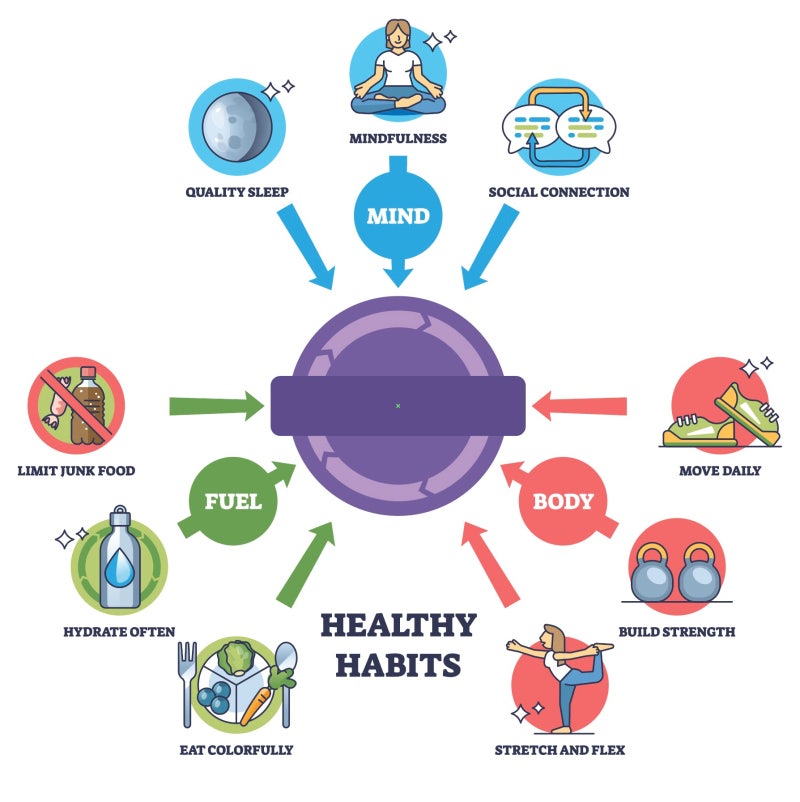
Furthermore, one of the most fundamental elements in managing PCOS is lifestyle modification. In cases where overweight or obesity is present, there are reports of hormonal balance and ovulation function improving through weight loss alone. In fact, losing just 5–10% of current body weight can improve menstrual cycles and metabolic indicators. Dietary management is also very important. Reducing the intake of simple sugars and refined carbohydrates that cause rapid spikes in blood sugar, and consuming a balanced diet centered on fiber-rich vegetables, whole grains, and protein can be helpful. In particular, a Low Glycemic Index (Low GI) diet is known to be a dietary method that can positively impact insulin resistance. Exercise is also a crucial treatment component. The KDCA and international guidelines recommend more than 150 minutes of moderate-intensity aerobic exercise per week. Aerobic exercises such as brisk walking, cycling, and swimming can help with weight control and improve insulin sensitivity, and combining them with strength training can have a positive effect on maintaining basal metabolic rate. Sufficient sleep and stress management are also vital. Since chronic stress and lack of sleep can affect hormonal balance and metabolic function, it is necessary to maintain a regular lifestyle pattern. It is important to remember that PCOS is a condition where long-term lifestyle management and consistent follow-up are more important than short-term treatment.
Most importantly, lifestyle improvement and continuous management are key. Regular meals, exercise, proper weight management, and sleep habits play a significant role in maintaining hormonal balance and metabolic health. If changes such as menstrual irregularities, recurring acne, or weight gain persist, do not dismiss them as temporary symptoms and seek professional medical advice. Small changes in lifestyle and early management can be the important starting point for protecting healthy fertility and future systemic health.
- Reference: Korea Disease Control and Prevention Agency (KDCA)
(https://health.kdca.go.kr/healthinfo/biz/health/ntcnInfo/healthSourc/thtimtCntnts/thtimtCntntsView.do?thtimt_cntnts_sn=115)
Inquiries
Chaum Premium Health Checkup Center +82-2-3015-5005 | 2nd & 3rd Floor, Chaum, 4-1 Cheongdam-dong, Gangnam-gu, Seoul

Frequently Asked Questions
What are the main symptoms of Polycystic Ovary Syndrome (PCOS)?
The main symptoms include ovulatory dysfunction, such as prolonged menstrual cycles or amenorrhea. Additionally, increased male hormones can lead to adult acne, hirsutism, and female pattern hair loss, while insulin resistance can cause weight gain and abdominal obesity.
How is Polycystic Ovary Syndrome (PCOS) diagnosed?
PCOS is diagnosed when two or more of the following are confirmed: ovulatory dysfunction, hyperandrogenism (increased male hormones), and polycystic ovaries on ultrasound. To ensure an accurate diagnosis, a comprehensive evaluation including menstrual cycle tracking, blood tests, and pelvic ultrasound is performed.
Do I need treatment even if I'm not planning to get pregnant?
Yes, treatment and management are essential. If ovulation is not regular, the uterine lining is continuously exposed to estrogen, which can increase the risk of endometrial hyperplasia or endometrial cancer. Therefore, regular menstruation should be induced and the uterine lining protected, often through methods like oral contraceptives.
Is it impossible to get pregnant if I have Polycystic Ovary Syndrome (PCOS)?
No, it is not impossible. With appropriate treatment, pregnancy is entirely possible. If you are planning to conceive, ovulation-inducing drugs such as clomiphene or letrozole are used to help follicle growth. If the response to medication is insufficient, injection therapy or assisted reproductive technology may be considered.
How should I manage PCOS in my daily life?
Weight loss, diet, and regular exercise are the most important aspects of management. If you are overweight, losing just 5-10% of your body weight can significantly improve symptoms. It is recommended to maintain a low glycemic index (Low GI) diet by reducing simple sugars and to engage in at least 150 minutes of aerobic exercise per week.