2026-06-03
Shingles Vaccination: What Are the Differences Between Vaccine Types?
Learn about the differences between live and recombinant shingles vaccines, their efficacy, and the recommended vaccination timing for those over 50.
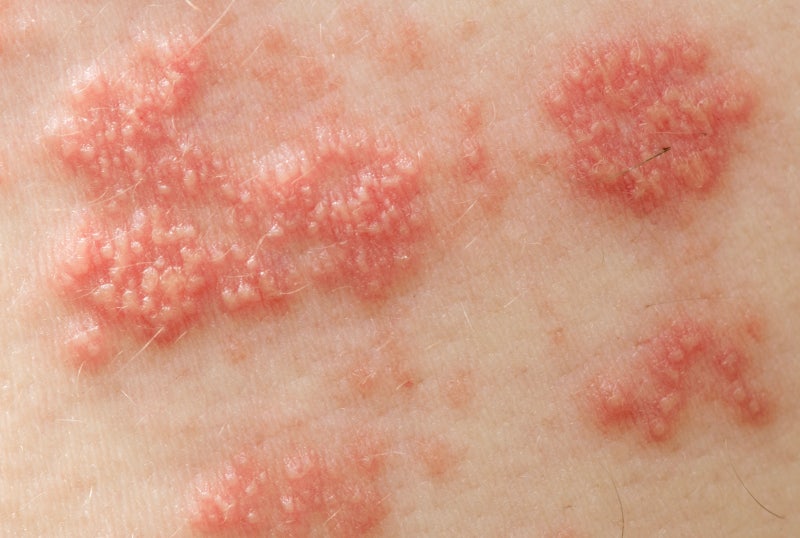
Shingles is not just a simple skin condition but a disease that can lead to nerve damage, making prevention more important than treatment. As the risk of onset and complications increases after age 50, interest in shingles vaccination is rising. In this article, we will examine the differences between shingles vaccine types and the criteria to check before vaccination.
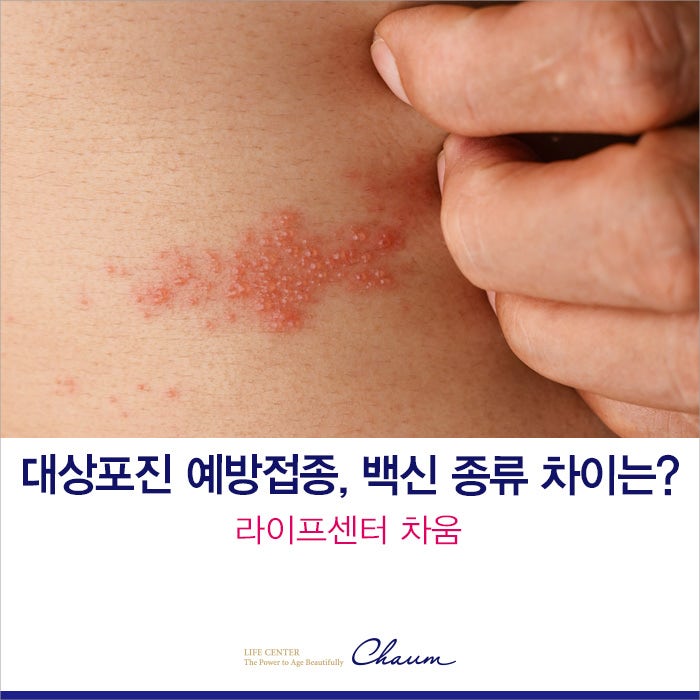
Why Shingles Occurs
Shingles occurs when the varicella-zoster virus, which remains in the body after a childhood bout of chickenpox, reactivates. This virus lies dormant in the nerve ganglia and reactivates when immunity weakens, traveling along the nerves and causing inflammation and pain. A key characteristic is the increased risk of onset after age 50 as cellular immune function declines. Factors such as chronic illness, lack of sleep, stress, chemotherapy, and the use of immunosuppressants further increase the likelihood of occurrence.
The important point is that shingles is not a disease that ends with a simple skin rash. It can lead to ‘Post-Herpetic Neuralgia (PHN),’ which persists for months or even years after treatment, and this pain is often intense enough to significantly hinder daily life. Therefore, shingles vaccination should be approached from the perspective of ‘preventing pain and complications’ rather than just preventing the disease itself. Ultimately, since weakened immunity is the direct cause, the necessity for vaccination grows as age increases.
Shingles Vaccine Types: Comparing Live vs. Recombinant Vaccines
The vaccines currently used for shingles prevention are broadly classified into live vaccines and recombinant vaccines.
Live vaccines induce an immune response using an attenuated (weakened) virus and are characterized by being completed in a single dose. While they have the advantage of being convenient, their use may be restricted in immunocompromised patients. The Zostavax line is a representative example of this category.
On the other hand, recombinant vaccines induce an immune response using specific protein components of the virus. Since they do not use the actual virus, they have a wider range of application. Although they require two doses, they tend to show superior preventive effects and duration; Shingrix is the most common example. Recently, there has been an increasing trend toward choosing recombinant vaccines for their efficacy and longevity.
In particular, even if one has already received a live vaccine, the preventive effect may decrease over time. Therefore, a strategy of considering a booster shot with a recombinant vaccine after a certain period is often utilized. This approach aims to supplement the preventive effect and lower the long-term risk of neuralgia. However, since application may vary depending on an individual’s health status and previous vaccination timing, it is necessary to decide on a vaccination plan through consultation.
Category | Live Vaccine | Recombinant Vaccine |
Vaccine Type | Attenuated Live Vaccine (e.g., Zostavax) | Recombinant Protein Vaccine (e.g., Shingrix) |
Principle | Uses weakened varicella-zoster virus | Viral surface glycoprotein antigen + Adjuvant |
Doses | 1 dose | 2 doses (2–6 month interval) |
Target Audience | Adults with normal immune function | Can be administered to immunocompromised individuals |
Efficacy | Tends to decrease with increasing age | Maintains high efficacy regardless of age |
Duration | May decrease to about 3–5 years | Reported to maintain efficacy for at least 7 years |
Safety | Restricted for immunocompromised individuals | Relatively safe even for the immunocompromised |
When to Get the Shingles Vaccine
Shingles vaccination is generally recommended for those aged 50 and older. This is because immune function declines with age, causing the incidence rate and the risk of complications to increase simultaneously. For those with chronic diseases such as diabetes or hypertension, the necessity of vaccination is even more emphasized as the condition is more likely to progress to a severe stage. Furthermore, even if you have already had shingles, vaccination is recommended after a certain period because recurrence is possible. The key point is not to think ‘I’m fine because I’ve had it once,’ but to approach it from the perspective of preventing recurrence and neuralgia. The timing of vaccination may vary depending on an individual’s immune and health status, and the number of doses and schedule management must be considered based on the vaccine type. Ultimately, shingles vaccination requires a planned management approach that reflects both health status and past vaccination history, rather than just a simple age criterion.
Checklist for Safe Vaccination
While shingles vaccines are generally very safe, it is important to understand the management criteria before and after vaccination. As a rule, one should check for fever or acute illness before the appointment and get vaccinated when their physical condition is stable.
After vaccination, reactions such as pain at the injection site, swelling, muscle aches, fatigue, and mild fever may occur; these are normal immune responses. In particular, recombinant vaccines tend to cause these reactions more frequently. Most symptoms improve within 1 to 2 days. It is recommended to avoid strenuous exercise, saunas, and alcohol on the day of vaccination. Generally, if there are no major issues, daily activities can be resumed the next day, but if pain or fatigue persists, it is safe to resume activities after 1 to 2 days of sufficient rest. These are common management standards also guided by the Korea Disease Control and Prevention Agency (KDCA).
However, if a high fever persists or abnormal reactions such as difficulty breathing or a full-body rash occur, medical attention should be sought immediately.
Category | Checklist Items |
Pre-vaccination Status | Check for fever or acute illness; vaccinate when condition is stable |
Pre-vaccination Precautions | Consult medical staff after checking for immunocompromised status, underlying diseases, and current treatments |
Normal Post-vaccination Reactions | Temporary immune responses like injection site pain, swelling, muscle aches, fatigue, or mild fever |
Vaccine-specific Reactions | Recombinant vaccines have a relatively higher frequency of local pain and systemic reactions (fatigue, muscle aches, etc.) |
Recovery Period | Most improve naturally within 1–2 days |
Day-of Precautions | Avoid strenuous exercise, saunas, and alcohol |
Return to Daily Life | Daily life is possible from the next day if there are no special issues |
If Extra Rest is Needed | If pain or fatigue persists, activity is recommended after 1–2 days of sufficient rest |
When to Visit a Clinic | Visit immediately if abnormal reactions like persistent high fever, difficulty breathing, or full-body rash occur |
Shingles vaccination is the ‘most realistic choice for reducing pain.’ Vaccination is not just about preventing a simple disease; it is a management strategy to prevent long-term neuralgia and a decline in quality of life. Especially if you are over 50, it is essential to check your vaccination status at least once.
ㆍCheck age and underlying health conditions!
ㆍSummarize criteria for choosing the vaccine type!
ㆍManage the vaccination schedule and check for completion!
Please check your current status based on these three criteria. It is safest to proceed with vaccination according to a plan rather than delaying it.
* Reference: Korea Disease Control and Prevention Agency (KDCA) Immunization Helper https://nip.kdca.go.kr/irhp/infm/goVcntInfo.do?menuLv=1&menuCd=1117
Chaum Appointment Inquiries: 02-3015-5300 | Chaum Life Center, 4-1 Cheongdam-dong, Gangnam-gu, Seoul

Frequently Asked Questions
From what age is it recommended to get the shingles vaccine?
Vaccination is generally recommended for individuals aged 50 and older. This is because as age increases, immune function declines, simultaneously raising the incidence of shingles and the risk of complications. Especially if you have chronic diseases such as diabetes or high blood pressure, the possibility of severe progression increases, so it is advisable to get vaccinated after the age of 50.
What is the biggest difference between live attenuated vaccines and recombinant vaccines?
The biggest differences are in the number of doses and the duration of preventive efficacy. Live attenuated vaccines are convenient with a single dose, but their effectiveness may decrease over time. In contrast, recombinant vaccines require two doses but maintain high preventive efficacy regardless of age and have the advantage of lasting for at least 7 years or more.
Should people who have already had shingles get vaccinated?
Yes, vaccination is recommended. Even if you have had shingles once, there is a possibility of recurrence if your immunity declines. Therefore, it is important to prevent recurrence through vaccination after a certain period and to prevent postherpetic neuralgia (PHN), which causes severe pain.
Can immunocompromised patients also receive the shingles vaccine?
Yes, they can be safely vaccinated with a recombinant vaccine. Live attenuated vaccines, which use live viruses, are restricted for immunocompromised individuals, but recombinant vaccines, which only utilize specific protein components of the virus, can be administered to immunocompromised individuals and provide preventive effects relatively safely.
What precautions should be taken after vaccination?
On the day of vaccination, avoid strenuous exercise, saunas, and alcohol. Temporary immune responses such as pain at the injection site, fatigue, or low-grade fever may occur, but most improve naturally within 1-2 days. If a high fever persists or shortness of breath occurs, you should visit a medical institution immediately.