2026-06-03
Spring Health Management Part 2 | Preventing Seasonal Colds and Boosting Immunity
Learn essential spring health tips from Family Medicine specialist Dr. Ji-heon Yang, focusing on body temperature regulation and nutrition to boost immunity.

Spring health management centers on preventing seasonal colds and managing immunity.
Particularly during this period of significant temperature fluctuations, many people simultaneously experience colds, spring fatigue, and a loss of appetite.
Based on advice from Family Medicine specialist Dr. Ji-heon Yang, we share essential spring health management methods you must remember.
A single small habit can significantly change your immunity, so please review your lifestyle habits.

Why is maintaining body temperature crucial for preventing seasonal colds?
The most important factor in spring health management is maintaining body temperature.
During the change of seasons, it becomes easier to catch a cold as daily temperature ranges widen. While it is warm during the day, temperatures drop significantly in the morning and evening, causing body temperature to fall easily. When body temperature drops, the activity of our body’s immune cells also decreases, weakening our defense against viruses and bacteria.
When going out, it is advisable to pay attention to insulation to the point where it feels slightly warm. Wearing several layers of thin clothing is effective as it allows for easy adjustment according to temperature changes. Additionally, frequently drinking warm water or tea to keep the throat warm helps prevent seasonal colds.
Loss of appetite and lethargy in spring: What are the reasons?
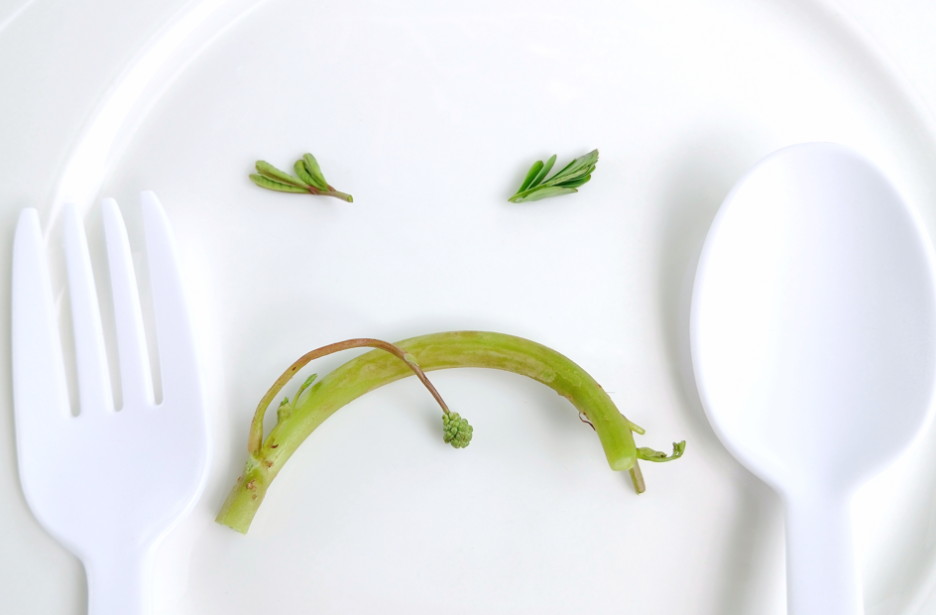
Another issue many people face in spring health management is a decrease in appetite.
As the weather warms up, metabolism becomes more active, and the body’s consumption of vitamins and minerals increases compared to winter.

This leads to a decrease in physical strength along with spring fatigue,
which can naturally result in languidness and lethargy, leading to a loss of appetite and reduced food intake.
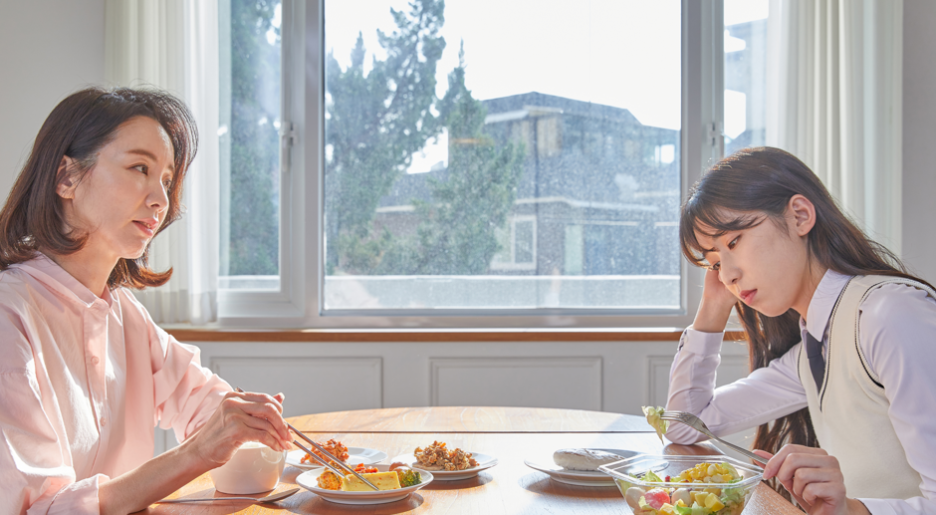
Furthermore, spring is a season of many environmental changes, such as new school terms or job transitions. The resulting stress can impair gastrointestinal function and cause a loss of appetite. In particular, those with seasonal allergic rhinitis may experience a dulled sense of smell, making them less able to taste food and further reducing their appetite.
Spring diet management: Even more important when you lose your appetite
If you reduce your meals because of a lack of appetite, it is easy to become deficient in essential nutrients such as vitamins, minerals, and proteins. Consequently, your immunity may drop further. Caution is needed as this state makes you more vulnerable to seasonal colds.
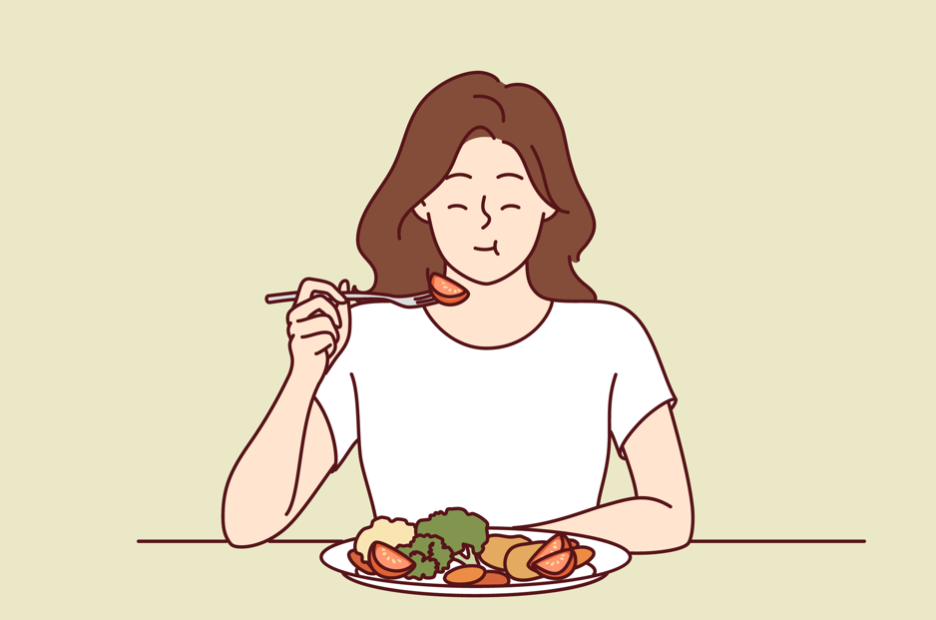
Therefore, regular meals and a balanced diet are essential for spring health management.
The less appetite you have, the more important it is to consume a variety of foods that are easy to digest yet rich in nutrients, which helps restore the body’s vitality.
Spring health management: Checking lifestyle habits is the answer!
Spring health management starts with basic lifestyle habits rather than special methods.
Immunity can be sufficiently improved just by maintaining body temperature and sticking to a balanced diet and nutritional management.
For the prevention of seasonal colds and a healthy spring, rather than dismissing symptoms as simple seasonal changes,
please take this opportunity to check your lifestyle habits.
+ If you are curious about the difference between a cold and allergies during the change of seasons,
please refer to the following post~▼
If you require more professional management based on your individual health status,
it is also a good idea to seek systematic help through a consultation with the Family Medicine medical staff.
Inquiries
Chaum Health Life Center 02-3015-5005 | 3rd Floor, Chaum, 442 Dosan-daero (4-1 Cheongdam-dong), Gangnam-gu, Seoul

Frequently Asked Questions
What causes people to catch colds easily during the spring season?
It is because the large daily temperature fluctuations cause body temperature to drop easily. When body temperature drops, the activity of our body's immune cells decreases, weakening our defense against viruses and bacteria. Therefore, it is important to wear several layers of thin clothing to maintain body temperature in response to temperature changes.
What causes loss of appetite and lethargy in spring?
It is because warmer weather increases metabolism, leading to increased consumption of vitamins and minerals in the body. This results in decreased physical strength, spring fatigue, and reduced appetite. Additionally, stress from environmental changes like a new school year or allergic rhinitis can also be contributing factors.
How should I dress when going out to prevent colds during seasonal changes?
It is recommended to wear several layers of thin clothing. Paying attention to warmth, even if it feels a bit hot, and easily adjusting body temperature by putting on and taking off clothes according to temperature changes is very effective for maintaining immunity and preventing colds during seasonal transitions.
How should I manage my diet when I have no appetite?
You should consume a variety of easily digestible and nutrient-rich foods. Reducing meal portions can lead to a deficiency in essential nutrients like vitamins, minerals, and protein, further weakening immunity, so maintaining regular meals and a balanced diet is essential.
Is a hospital visit necessary for spring health management?
Yes, professional management may be necessary depending on an individual's health condition. If you feel that basic lifestyle habit checks are insufficient, consulting with a family medicine doctor for systematic help and treatment is a good way to maintain health during seasonal changes.