2026-06-03
The Era of Homo Hundred! A Guide to Saving for Your ‘Muscle Pension’
In the 100-year life era, muscle is your most vital asset. Learn why building a ‘muscle pension’ through daily habits and nutrition is essential for maintaining independence and health.
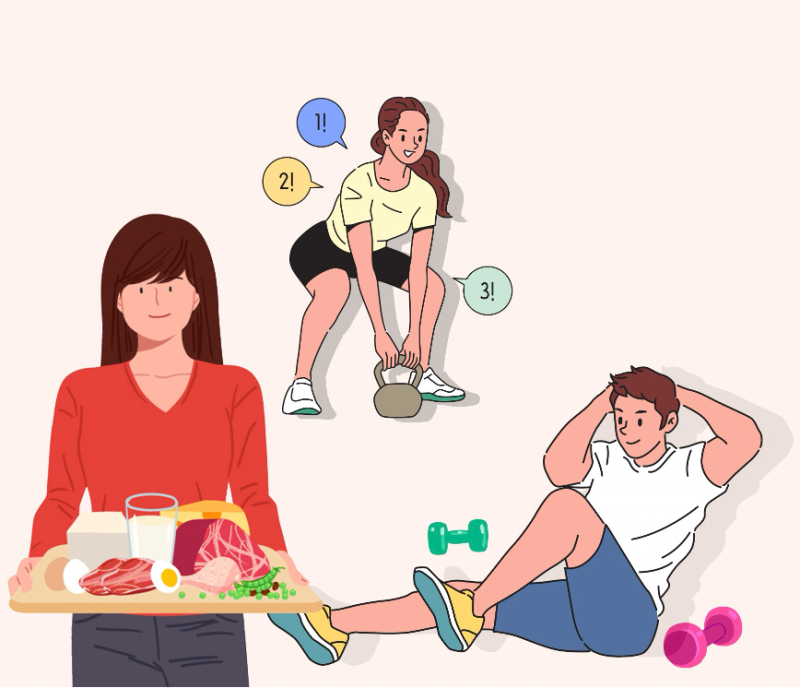
With advancements in medical technology and changes in living environments, the average human lifespan is steadily increasing, making the ‘Homo Hundred’ era—a time when living to 100 is the norm—a reality. Today, the quality of life is determined not just by how long we live, but by how long we can remain healthy and move independently. The key factor in this equation is muscle. Muscle is a vital organ for maintaining movement and balance, and your quality of life depends heavily on how you manage it. In this article, we will explore why you should save up muscle like a ‘pension’ and look at practical ways to manage muscle strength in daily life.
(*Homo Hundred: A concept referring to a human model based on an average lifespan of 100 years, focusing on living a life that maintains health and physical function into old age, rather than mere longevity.)
Why You Need a Muscle Pension in an Era of Longevity
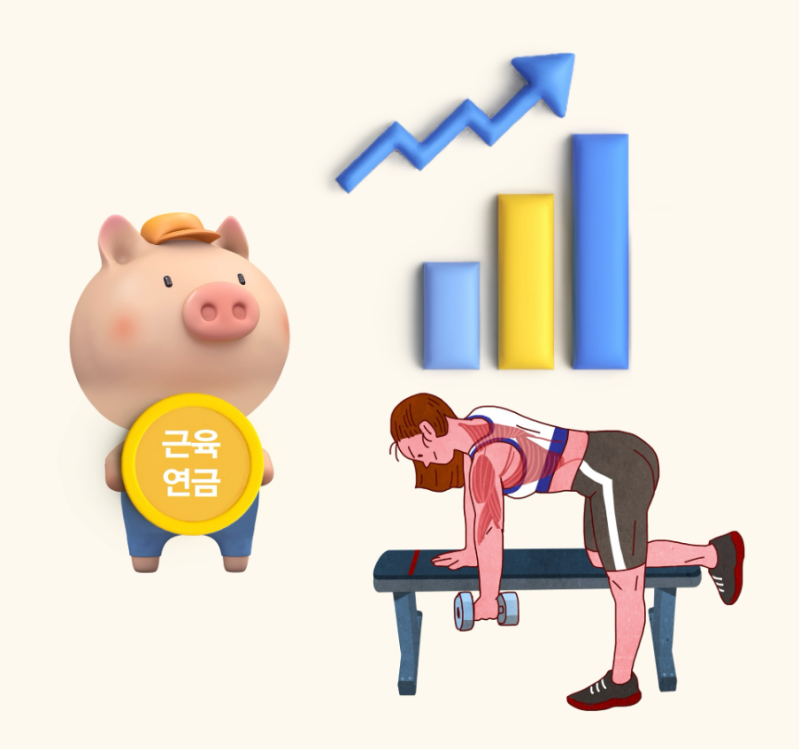
Muscle is not just tissue that moves the body. It is a core asset for systemic health, involved in walking, posture maintenance, and balance control, as well as energy metabolism and immune response. In fact, muscle is the tissue where the most protein is stored in the human body; it is directly utilized for immune cell production and wound healing during crises such as infections or surgeries. The problem is that muscle mass and strength naturally decrease with age. This loss of muscle is called ‘sarcopenia,’ and sarcopenia occurring with aging is considered a major risk factor that exacerbates geriatric chronic diseases. When sarcopenia is present, the risk of falls increases, as does the likelihood of serious injuries like hip fractures. Therefore, building muscle is not a choice for appearance, but a process of securing a ‘physical defense budget’ against diseases and accidents. Sufficient muscle mass lowers the risk of falls, increases recovery power after illness, and raises the possibility of maintaining independent daily life in old age. The important point is that muscle is not a resource that can be suddenly created when needed. Muscle is an asset that must be accumulated and maintained in advance through daily habits, activity levels, and consistent exercise, which is why it is often compared to a ‘pension.’ Muscle management is not a task for a specific age group but a fundamental health strategy to be prepared throughout one’s life. Today’s muscle savings determine tomorrow’s mobility and quality of life.
The Impact of Muscle Loss on Our Body
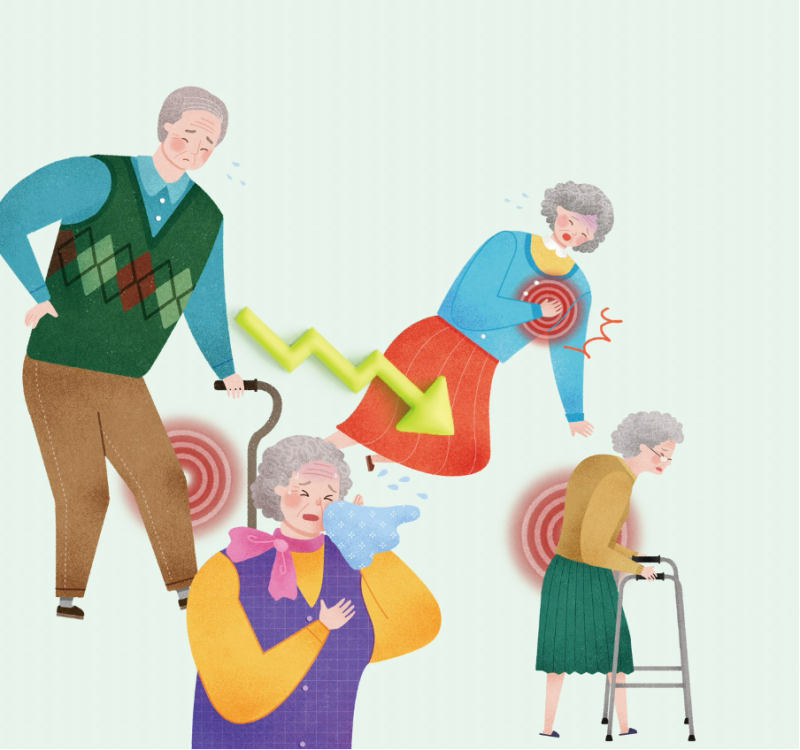
Muscle goes beyond being a power-generating tissue; it is a key organ that determines the quality of movement and physical function. Even in routine actions like walking, the muscles of the hips, thighs, calves, and abdomen must cooperate simultaneously for stable gait. When muscle mass and function decrease, stride length shortens, walking speed slows down, and fatigue sets in easily. These changes accumulate, leading to reduced activity and an overall decline in physical function. Furthermore, muscle is the tissue that consumes the most glucose in our body. According to data from the Korea Disease Control and Prevention Agency and the Korean Diabetes Association, a decrease in muscle mass increases insulin resistance, acting as a major factor that raises the risk of type 2 diabetes and metabolic syndrome.1)
Even if weight is within the normal range, a lack of muscle mass can lead to a ‘skinny fat’ state, increasing the risk of metabolic diseases. The ‘myokines’ secreted when muscles contract are also noteworthy. Myokines are bioactive substances involved in suppressing inflammation, regulating fat metabolism, and maintaining cardiovascular and brain functions. Regular strength training is reported to promote myokine secretion, contributing to lowering systemic inflammation levels and improving metabolic health.2) As such, muscle loss is closely linked not only to an increased risk of falls and fractures but also to decreased immune function, weakened respiratory function, and an increased risk of cardiovascular disease. Therefore, a lifestyle that maintains muscle above a certain level is the most basic starting point for managing metabolic diseases and cardiovascular health, beyond fall prevention.
1,2) ‘Muscle Hormones’ that Prevent Cancer and Dementia... Pour Out When Training Thighs, Hidoc News, https://news.hidoc.co.kr/news/articleView.html?idxno=52816
Muscle Loss: Signals the Body Sends First

Muscle loss is easy to miss because it isn’t felt as clearly as pain, but it often starts with small changes in daily life. Representative signals include changes in walking speed, decreased hand strength, and reduced leg stability. If your stride is shorter than before, or if you find yourself unusually out of breath or your legs tire easily on stairs or hills during your commute, it could be a sign that your lower body strength and balance are weakening. In fact, walking speed and muscle strength are used in clinical settings as important indicators to judge physical functional decline.3)
Additionally, if you need more strength than before to open bottle caps or PET bottles, or if your hands tire easily after using a smartphone and you drop things frequently, you might suspect a decrease in grip strength. Grip strength is an indicator that relatively simply reflects the state of systemic muscles regardless of age and is used clinically to evaluate the overall strength of adults. Lower body muscle loss is even harder to notice because it can progress without weight changes. If you wrap your hands around your calf while sitting and it feels looser than before or there is space between your fingers, this could be a sign of muscle loss. Also, feelings like ‘I feel like my stamina has dropped lately’ or ‘I get tired more easily than before’ are often dismissed as simple condition issues, but they are frequently changes that began with a decrease in muscle usage. Fortunately, many of these changes are highly likely to be reversible just by adjusting lifestyle habits and increasing the frequency of muscle use. Since muscle loss is a health indicator where early management is more effective regardless of age, it is important to be sensitive to the small signals the body sends.
3) ‘Pay Attention if You Walk Slowly! Walking Speed is Linked to Aging... Study,’ Digital Today, https://www.digitaltoday.co.kr/news/articleView.html?idxno=514150
Physical Change | What the Signal Means |
Decreased walking speed/stride | Decline in lower body strength and balance |
Shortness of breath on stairs | Increased burden on lower body strength/cardiopulmonary system |
Difficulty opening bottle caps | Decline in grip and systemic muscle strength |
Calves feeling thinner | Decrease in lower body muscle mass |
Saving Your ‘Muscle Pension’ in Daily Life
The key to saving for a muscle pension lies not in special exercises, but in lifestyle habits that make you use your muscles continuously in daily life. Rather than high-intensity workouts, performing repeatable and functional movement exercises at least twice a week, starting at a low intensity and gradually increasing it every 2–3 weeks, is effective for long-term muscle maintenance.4)
A prime example is the sit-to-stand movement (chair squat). This movement is a representative functional resistance exercise that uses the thigh and hip muscles simultaneously. Just repeating the action of slowly standing up and sitting down without using your arms 10 times, for 2–3 sets daily or every other day, helps maintain lower body strength and improve walking stability. Also, during long periods of sitting or repetitive daily activities like washing dishes, it is good to add ‘tiptoe’ movements—lifting and lowering your heels once an hour. This action stimulates the calf muscles, helping to activate lower body muscles, improve balance, and enhance venous circulation. Choosing stairs over the elevator and climbing them slowly one by one can also be an effective daily exercise to strengthen the quadriceps and glutes.
Exercise Type | Method | Medical Significance |
Chair Squat | Stand up immediately after lightly touching the chair with your hips | Reduces knee joint burden, strengthens lower body, prevents falls |
Tiptoe Exercise | Lift heels while brushing teeth or washing dishes | Strengthens calf muscles, improves circulation and gait stability |
Wall Push-ups | Push-ups against a wall | Reduces shoulder joint burden, strengthens upper body and respiratory muscles |
Muscles are stimulated by exercise and maintained by nutrition. Since protein absorption efficiency decreases with age, an intake of 1.0–1.2g or more of protein per kg of body weight per day is recommended to maintain muscle.5) Additionally, checking for Vitamin D deficiency, which is involved in muscle contraction and neuromuscular control, and supplementing if necessary, helps maintain muscle strength.
Category | Details |
Protein Intake | 1.0–1.2g per 1kg of body weight |
Timing | Distributed across every meal |
Protein Quality | High-quality protein rich in Leucine |
Companion Nutrients | Vitamin D · Calcium |
Combined Strategy | Strength exercise is essential |
* Leucine: One of the essential amino acids that make up protein
4) ‘Frequent Falls and Aching Knees... Consistent Muscle Exercise is the Answer,’ Dong-A Ilbo, https://www.donga.com/news/It/article/all/20250121/130900140/2
5) The Korean Nutrition Society, ‘Dietary Reference Intakes for Koreans (KDRIs),’ 2020.
*Example Meal Routine for Protein Intake
• Breakfast: 2 eggs + 1 cup of soy milk
• Lunch: Half a plate of fish or meat + bean/tofu side dishes
• Dinner: Small amount of chicken or beef + vegetables
→ Meets total protein of approx. 1.0–1.2g/kg/day
In the health management of the Homo Hundred era, the most important question is not ‘how long will I live,’ but ‘how long can I move on my own.’ Muscle is the most realistic asset supporting the independence of life, and today’s lifestyle habits determine future physical functions. Muscle pension savings are not completed in a short time, but you can certainly start just by continuing small movements in daily life. Choosing to stand up one more time and climb one more step today can be the first step in starting your muscle pension savings.
Supervised by: Professor Kim Dong-hyun, Department of Rehabilitation Medicine, Neuromusculoskeletal Center
Inquiries
Chaum Neuromusculoskeletal Center, Department of Rehabilitation Medicine: 02-3015-5005 | 3rd Floor, Chaum, 442 Dosan-daero (4-1 Cheongdam-dong), Gangnam-gu, Seoul

Frequently Asked Questions
What problems can occur in our body if muscle mass decreases?
Yes, the risk of falls and fractures may increase, and the incidence of metabolic diseases may rise. Muscles are the tissue that consumes the most glucose, so a decrease in muscle mass increases insulin resistance, raising the risk of type 2 diabetes and metabolic syndrome, and negatively affecting overall immune function and cardiovascular health.
What are the signs in daily life that can make us suspect muscle loss?
Slowing walking speed and weakening grip strength are typical signs. If your stride has become shorter than before, you get easily out of breath when climbing stairs, or you find it difficult to open bottle caps, you should suspect a decrease in muscle strength. Also, if your calves feel loose when you wrap them with both hands, it could be a sign of lower body muscle loss.
What exercises can be done in daily life to maintain muscle?
Functional resistance exercises such as chair squats and calf raises are recommended. Slowly standing up and sitting down from a chair without using your arms, repeating 10 times for 2-3 sets a day, is good for maintaining lower body strength. Also, calf raises, such as lifting your heels while washing dishes, or climbing stairs are very helpful.
How much protein should I eat per day to maintain muscle?
A daily protein intake of 1.0-1.2g or more per 1kg of body weight is recommended. As you age, protein absorption efficiency decreases, so it is better to consume it distributed throughout each meal. Eating high-quality protein such as eggs, beans, tofu, fish, and meat, and supplementing with vitamin D if necessary, is effective for maintaining muscle strength.