2026-06-03
Causes and Management of Pet Allergies
Learn about the causes, symptoms, and management strategies for pet allergies to maintain a healthy life with your furry companions.

Pets have become more than just animals; they are now cherished members of the family.
As the pet-owning population in Korea has grown to approximately 15 million, cases of allergy symptoms experienced while living with pets are also on the rise. In particular, pet allergies can lead to respiratory diseases beyond simple discomfort, requiring accurate understanding and management. In this article, we will look at the causes, symptoms, and management methods of allergies to protect your health while maintaining a life with your pets.
Why Do Pet Allergies Occur?
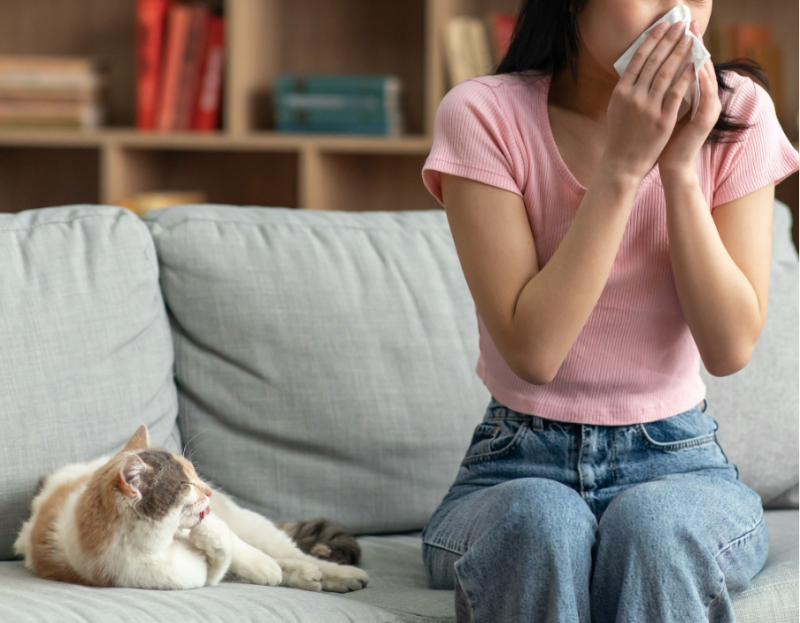
Some people experience symptoms such as itchy eyes, sneezing, and a runny nose while living with pets. This is often not just a simple inconvenience but an allergy, which is a type of immune response. An allergy refers to a phenomenon where our body’s immune system overreacts to external substances, recognizing generally harmless substances as risk factors and triggering an inflammatory response. The causative substances that trigger this reaction are called ‘allergens,’ with house dust mites, pollen, and mold being representative examples.
Pet allergies also arise from this principle of immune response. In particular, when allergens enter through the respiratory tract, symptoms such as a runny nose, sneezing, and coughing appear, while food allergens can lead to hives or systemic reactions. In some cases, it can progress to an acute hypersensitivity reaction accompanied by difficulty breathing and a drop in blood pressure, so caution is required. Therefore, if symptoms recur, it is important to approach it as an immune system abnormality rather than a simple contact issue.
What Are the Causes of Pet Allergies?
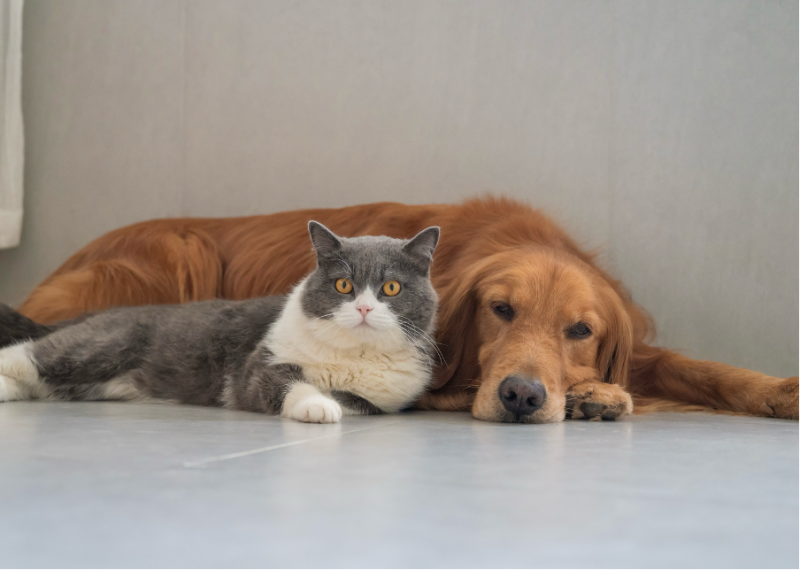
The cause of pet allergies is not the fur itself, but the protein components found in dander (dead skin cells), saliva, and urine. These proteins float in the air and enter the body through the respiratory tract, triggering an immune response. Cat allergens, in particular, have small particles that stay in the air for a long time, which can cause stronger allergic reactions. Furthermore, even if you do not own a pet directly, you can be exposed indirectly through clothing or indoor environments, and allergens can remain in spaces where pets previously lived for a certain period, triggering symptoms. Since fur acts as a medium that helps allergens move, simply removing fur is not a fundamental solution. Therefore, environmental management to reduce the allergens themselves must be carried out simultaneously.
Characteristics of Pet Allergens | |
Main Causes | Skin dander, saliva, urine proteins |
Relationship with Fur | Not the direct cause; acts as a spreading medium |
Features | Suspended in the air, persists for a long time |
Exposure Routes | Contact, clothing, indoor environment |
Symptoms and Diagnostic Methods for Pet Allergies

Pet allergies manifest in various forms after contact, and respiratory and skin symptoms often appear simultaneously. Representative symptoms include respiratory issues such as a runny nose, sneezing, nasal congestion, coughing, and difficulty breathing, which may be accompanied by itchy eyes and skin hives. If these symptoms occur repeatedly in specific environments, an allergy can be suspected.
For an accurate diagnosis, consult with a specialist and undergo tests if necessary, such as skin prick tests and blood tests. A skin prick test involves applying allergens to the skin to check for a reaction, while a blood test evaluates sensitivity to specific allergens through Immunoglobulin E (IgE) levels. Test results should be interpreted comprehensively along with symptoms, and it is important to establish a personalized management plan through consultation with a specialist.
Major Symptoms and Characteristics of Allergic Reactions | ||
Respiratory | Runny nose, sneezing, coughing, difficulty breathing | Worsens after contact with pets |
Skin/Ocular | Itchy eyes, redness, hives | Persists with repeated exposure |
Systemic | Chest tightness, itching | May accompany difficulty breathing in severe cases |
Management Methods for Daily Life with Pets
- Management in Daily Life
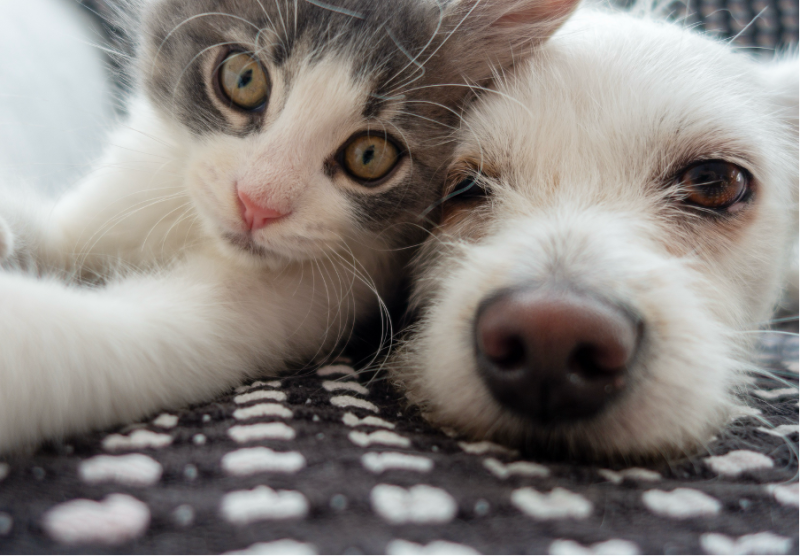
To maintain coexistence with pets, environmental management to reduce allergen exposure is fundamental. After contact with a pet, it is important to wash your hands and face immediately to reduce the entry of allergens into the body. Since the bedroom is a space where you stay for a long time, it is recommended to restrict pet access. Additionally, carpets and fabric furniture are environments where allergens can easily accumulate, so periodic management or replacement is necessary. To reduce airborne allergens, using air purifiers and vacuum cleaners equipped with HEPA filters is helpful. Bedding should be washed at high temperatures to maintain hygiene, and pets also need regular baths to reduce skin dander.
Category | Management Method |
Contact Management | Wash hands after contact |
Space Management | Restrict access to bedrooms |
Air Management | Use HEPA filters |
Hygiene Management | Wash bedding at high temperatures |
Pet Management | Regular bathing |
Consistent practice of these management methods is more important than short-term efforts, and establishing them as daily habits is effective in alleviating symptoms.
- Treatment Management through Consultation with a Specialist
Along with environmental management, if symptoms persist or affect daily life, medical treatment through consultation with a specialist is necessary. Allergy treatment should not stop at simply alleviating symptoms but should be approached by considering long-term constitutional improvement. Antihistamines are used for acute symptom relief, while nasal steroids or inhaled steroids are known as treatment methods that act locally and have a lower risk of systemic side effects. These drug treatments can be used safely over a relatively long period. A more fundamental treatment method is immunotherapy, which involves repeatedly administering small amounts of allergens to gradually regulate the immune response. Generally, a treatment period of 3 to 5 years or more is required, and it is effective to combine it with drug treatment in the early stages. Treatment must be carried out according to a specialist’s judgment, and when consistent management is combined, symptoms can be stably controlled while maintaining a life with pets.
We have looked into the causes and management methods of pet allergies. As such, it is important to understand the causes of pet allergies and consider both environmental management and treatment. We hope you continue to practice management habits in your daily life and set a management direction that suits you through consultation with a specialist if necessary. May your precious daily life with your pets continue in a healthier way.
Reference: Korea Disease Control and Prevention Agency (KDCA), Health Information of the Month
https://health.kdca.go.kr/healthinfo/biz/health/ntcnInfo/healthSourc/thtimtCntnts/thtimtCntntsView.do?thtimt_cntnts_sn=50
When confused between allergy symptoms and a cold, refer to the post below ▼
Chaum Appointment Inquiries: 02-3015-5300 | Chaum Life Center, 4-1 Cheongdam-dong, Gangnam-gu, Seoul
