2026-06-03
Should You Wear Sunscreen in Winter? How to Choose the Right Sunscreen for Your Skin Type
Discover why winter sun protection is essential for anti-aging and learn how to choose the best sunscreen for dry, oily, and sensitive skin types.

When the cold wind starts to blow, we naturally focus on moisturizing. However, sun protection, which is just as important as hydration, is often neglected.
Did you know that the thought ‘winter sunlight should be fine’ is quietly accelerating your skin’s aging process?
Winter is a season when UV rays accumulate on the skin unnoticed. In this article, we will explore why winter sunscreen is a necessity, not an option, and how to choose the right one for your skin type.

Why Winter UV Rays Are More Dangerous

In winter, with shorter days and more time spent indoors, it feels like it’s okay to take a break from sunscreen. However, winter is actually the season when skin is most vulnerable to aging. Cold winds and dry indoor environments weaken the skin barrier, and when combined with winter UV rays, the skin becomes defenseless against aging. While people often associate UV rays with sunburns, that is primarily epidermal damage caused by Ultraviolet B (UVB) in the summer. What we must be more cautious of in winter is Ultraviolet A (UVA). UVA exists at a constant intensity regardless of the season or weather and penetrates glass to reach the deep dermis layer of the skin. In this process, it damages collagen and elastin, causing wrinkles and loss of elasticity. Furthermore, in winter, the sun’s lower altitude increases facial exposure to UV rays, and reflected UV rays from snow can further increase the irritation the skin receives. Ultimately, the core of winter skincare is not just moisturizing, but also ensuring sun protection. Making sunscreen a basic routine regardless of the season is the most practical way to slow down the rate of skin aging.
Criteria for Choosing Sunscreen for Winter Skin
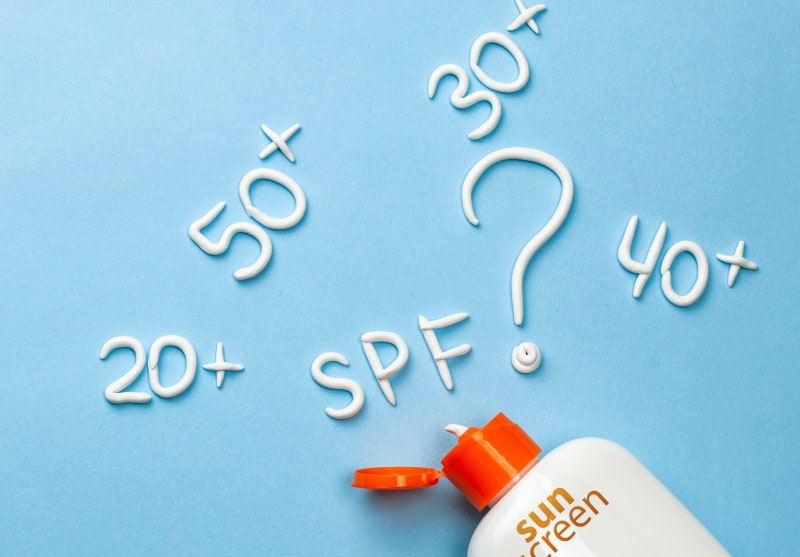
In winter, the skin barrier is easily weakened by cold winds and indoor heating, so choosing a sunscreen based solely on the SPF rating can actually lead to skin irritation. It is important to consider not only the protection index but also the skin type and usage environment. Sunscreens are divided into organic (chemical), inorganic (physical), and hybrid types based on how they block UV rays.
Organic sunscreens absorb UV rays and convert them into energy; they tend to have a smooth texture, but can be irritating when the skin barrier is weak. Inorganic sunscreens, based on ingredients like zinc oxide and titanium dioxide, reflect UV rays off the skin surface and are relatively stable to use. Hybrid sunscreens combine both methods to balance protection and texture. In winter, it is recommended to use inorganic or hybrid sunscreens. Products containing moisturizing ingredients like ceramides or glycerin can help maintain the skin’s protective film in dry environments while blocking UV rays. Additionally, the PA rating indicates the UVA protection level; a PA++++ rating is suitable for preventing photoaging in winter. For daily life, SPF 30 or higher is sufficient, but if you have frequent outdoor activities, choosing SPF 50+ is safer. Most importantly, the habit of ‘applying a sufficient amount consistently’ is more vital than the numbers.
How to Find Your ‘Holy Grail’ Sunscreen by Skin Concern and Type
- Dry & Aging Skin
If your skin feels very tight after washing or if makeup easily flakes, your skin barrier function may be compromised. For this skin type, organic or hybrid formulations that minimize irritation and offer smooth application and adherence are more suitable. Additionally, choosing a sunscreen that contains ingredients like hyaluronic acid, ceramides, and panthenol—which help with skin hydration and barrier maintenance—can provide the positive effect of relieving dryness while protecting the skin from UV rays.
- Oily & Acne-prone Skin
Oily skin has active sebum secretion, which can lead to increased greasiness or clogged pores when exposed to UV rays. In the case of acne, exposure to UV rays while inflammation is present increases the likelihood of post-inflammatory hyperpigmentation. Therefore, sun protection is also recommended as a fundamental care step for oily or acne-prone skin types. For these types, inorganic ingredients like zinc oxide work by reflecting UV rays from the skin surface, providing relatively stable protection without a chemical absorption process. Furthermore, inorganic sunscreens are known not to directly increase sebum secretion, making them popular for oily skin. When choosing a sunscreen, it is advisable to consider stability to minimize potential skin irritation and check for non-comedogenic testing rather than just a fresh feel.
- Sensitive / Post-procedure Skin
After skin procedures such as laser treatments or peels, the skin barrier temporarily weakens, making it more sensitive to external stimuli. During this period, UV exposure alone can delay skin recovery or cause irritation, so sun protection is crucial regardless of whether you go outside. Generally, sunscreen can be used once the heat or irritation on the skin surface has subsided to some extent, and at this time, it is necessary to choose a product that minimizes the burden on the skin. For sensitive skin or unstable skin conditions immediately following a procedure, using inorganic sunscreens based on titanium dioxide and zinc oxide is more appropriate. These ingredients work by physically reflecting UV rays from the skin surface without chemical absorption, and they have a relatively lower potential for irritation. It is also advisable to choose products that exclude concerning ingredients like fragrances or alcohol. While SPF 30+ and PA+++ are sufficient for indoor-focused activities, using SPF 50+ and PA++++ products helps protect the skin more stably if you need to go out immediately after a procedure or if outdoor time is prolonged.
📊 Sunscreen Recommendations by Skin Type
Skin Type | UV Protection Method | Supporting Ingredients | Features |
Dry/Aging | Organic or Hybrid | Hyaluronic Acid, Ceramide, Panthenol, etc. | Moisturizing, Barrier Strengthening, Minimal White Cast |
Oily/Acne | Inorganic (Physical) | Zinc Oxide, etc. | Non-comedogenic, Anti-inflammatory/Soothing |
Sensitive/Post-procedure | 100% Inorganic | Titanium Dioxide, Zinc Oxide, etc. | Fragrance-free, Alcohol-free, Hypoallergenic |
※ This content was written based on raw materials and general use cases; effects may vary depending on individual skin types and conditions. We recommend consulting a specialist or testing before use.
When applying sunscreen, layering it thinly twice rather than applying a thick layer all at once increases both skin adherence and protection efficiency. Areas where aging appears first, such as around the eyes, cheekbones, and mouth, should be managed with particular care. When going out for a long time, using a cushion type or sun stick for reapplication is also a good method.
Why the Removal Process Is as Important as Application

If you have meticulously applied sun protection, thorough cleansing is an essential step for your skin. In particular, since inorganic or waterproof sunscreens have high skin adherence, residual components are likely to remain with just a standard single wash. These residues increase the possibility of clogged pores, dead skin cell buildup, and minor breakouts during periods like winter when sebum secretion decreases and skin cell turnover slows down. Therefore, double cleansing using a slightly acidic product is basically recommended after returning home.
🧼 Cleansing Methods by Skin Type and Sunscreen Type
Skin/Sunscreen Type | Recommended Cleansing Method |
Skin using Inorganic Sunscreen | Double cleansing recommended* |
Waterproof Sunscreen | Oil/Milk primary cleanse essential |
Daily Organic Sunscreen | Single wash possible depending on skin condition |
Sensitive/Post-procedure Skin | Hypoallergenic cleanser, minimal friction |
In the first step of cleansing, use a cleansing oil or milk type to gently dissolve and remove UV protection components rather than rubbing them, and in the second step, clean up residual waste with a mild foam cleanser that does not harm the skin barrier. At this time, using products with strong detergency for a long time can damage the skin’s protective film, so caution is needed. Care immediately after washing is also very important. Since skin moisture evaporates quickly as it dries, it is necessary to lightly apply toner, essence, or cream within one minute or before leaving the bathroom to lock in moisture. Not missing this short timing alone is a great help in reducing winter skin tightness and flaking.
📊 Cleansing Routine After Sunscreen Use
Step | Recommended Method | Key Point | |
STEP 1 | Break down Sunscreen Residue | Gently roll with cleansing oil/milk | Minimize friction |
STEP 2 | Clean up Impurities | Wash lightly with a low-pH foam cleanser | Avoid excessive detergency |
STEP 3 | Post-wash Care | Finish quickly before water dries | Prevent skin dryness |
Winter sun care is not a treatment to care about only on specific days, but a basic skin care habit that should be continued consistently in daily life. By building up small management steps like sunscreen selection and application methods, you can help maintain not only today’s skin but also your future skin condition stably. Evercell Skin Care Clinic provides various customized treatments and products that consider even the internal skin condition through AI analysis of individual skin types and states. We hope you continue a healthy skin flow through sun care that fits your skin even in winter.
Review: Kang Jeong-im, General Manager, Evercell Skin Care Clinic
Inquiries
Chaum Evercell Skin Care 02-3015-5370 | 3rd Floor, Chaum, 4-1 Cheongdam-dong, Gangnam-gu, Seoul

Frequently Asked Questions
Do I still need to apply sunscreen in winter?
Yes, you absolutely must apply it. In winter, ultraviolet A (UVA) rays penetrate deep into the skin through windows, causing wrinkles and loss of elasticity. Additionally, UV rays reflected off accumulated snow can further irritate the skin, so it's best to apply sunscreen regardless of the season.
What kind of winter sunscreen is suitable for dry skin?
We recommend organic or hybrid sunscreens with a smooth application. Dry skin in winter is prone to weakened barrier function, so choosing products that contain ingredients like hyaluronic acid, ceramides, and panthenol, which help with moisturizing and barrier maintenance, can help alleviate dryness.
What kind of sunscreen should I use after laser treatment?
It is best to use a 100% mineral sunscreen with minimal irritation. After the procedure, the skin barrier is weakened, so physical blockers based on titanium dioxide or zinc oxide are suitable, and you should choose products free of irritating ingredients like fragrances or alcohol.
How should I cleanse my face after applying mineral sunscreen?
Double cleansing using cleansing oil or milk is recommended. Mineral sunscreens adhere closely to the skin, and a single cleanse may leave residue that can clog pores. It is best to gently cleanse once, then follow up with a mild, slightly acidic foam cleanser for the second cleanse.
What is an appropriate SPF for daily life in winter?
For daily indoor activities, SPF 30 or higher and PA+++ is sufficient. However, if you go out immediately after a procedure or have extended outdoor activities, it is recommended to use SPF 50+, PA++++ products to provide more stable skin protection.