2026-06-03
Just One Bite? Foods Norovirus Loves
Learn about the foods most susceptible to norovirus, including oysters, fresh produce, and frozen fruits, and discover essential prevention tips for winter food safety.
There is a food poisoning virus that actively increases starting in October when the weather turns chilly. It is the norovirus.
In particular, norovirus is known as a major cause of diarrhea and vomiting during the winter season, and because it is highly contagious, special caution is required.
So, what are the foods that are easy to get infected with norovirus?
In this article, we will look at the representative foods that norovirus ‘loves’ and how to prepare to prevent infection.
The Dreaded Norovirus Leading to Vomiting and Diarrhea: How to Stop It?
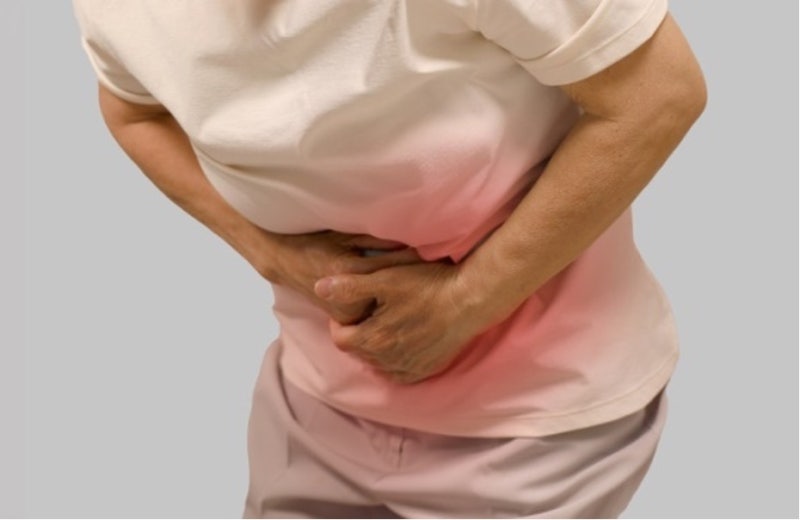
Norovirus is an infectious virus that causes acute gastroenteritis and has the characteristic of becoming more active as the temperature drops. It has such strong vitality that it can survive even at minus 20 degrees Celsius, and it is highly contagious, easily infecting others with only a tiny amount of particles. Furthermore, it is highly resistant, not being easily inactivated even by the chlorine concentration in tap water. The surface of the virus is surrounded by a hard protein shell called a capsid, which allows it to withstand stomach acid well. After reaching the small intestine, it actively multiplies in the intestinal mucosal cells, causing damage. Once infected, symptoms such as sudden vomiting, abdominal pain, diarrhea, and mild fever appear after an incubation period of usually 24 to 48 hours, and symptoms generally last for 1 to 3 days. If vomiting and diarrhea are repeated, dehydration due to loss of body fluids can occur. Especially for people with weak immunity, it can pose a serious risk enough to require hospitalization, so caution is necessary. As there is currently no vaccine or cure for norovirus, prevention is the top priority above all else.
What Are Norovirus’s Favorite Foods?
Unlike bacterial food poisoning caused by consuming food contaminated with bacteria such as Salmonella or pathogenic E. coli, norovirus is a food poisoning caused by a virus. Even fresh food that looks perfectly fine can be contaminated and spread the virus, and since infection cannot be identified by sight or smell, one must be careful when consuming it. In particular, as norovirus infection cases have been increasing recently regardless of the season, it is important to understand the precautions when using the following foods and consume them safely.
1. Oysters and Shellfish
Oysters and shellfish have the characteristic of accumulating various substances in their bodies through the process of filtering large amounts of water, making them particularly vulnerable to norovirus. Oysters thrive in shallow, calm seas, and as sewage or contaminated water from land flows into these areas, they can easily become contaminated with norovirus.
Precautions for consumption: Shellfish such as oysters and clams should be washed with tap water and consumed after being sufficiently heated to a core temperature of 85°C for more than 1 minute. Recommended form: It is safer to consume them in heated forms such as soups, steamed dishes, or pancakes rather than raw.
2. Fresh Kimchi (Geotjeori) and Salads
If contaminated water or compost is used, or if vegetables are harvested using infected hands or tools, the possibility of norovirus remaining on the surface of the vegetables increases. Therefore, during the Kimjang (kimchi-making) season when fresh kimchi is mainly made, washing leafy vegetables is important. Especially, vegetables with curved and rough surfaces such as napa cabbage, cabbage, and perilla leaves must be washed more thoroughly.
MFDS Recommended Washing Method: It is recommended to soak in water for about 2 minutes and then rinse with running water for about 30 seconds. Kitchen Hygiene: If using groundwater as drinking water, it must be boiled. Kitchen tools such as knives and cutting boards should always be washed clean before and after use, and it is advisable to perform boiling water disinfection or chlorine disinfection. Precautions when dining out: Since fresh vegetables are often used and handled directly by hand for seasoned dishes, cold salads, and sandwiches as well as fresh kimchi, it is good to check the hygiene grade provided by the Ministry of Food and Drug Safety (MFDS) or local governments, or check the cleanliness of the cooking space and whether staff follow hygiene protocols when choosing a restaurant.
3. Frozen Fruits
Frozen fruits such as blueberries and strawberries are widely used in cafes, school meals, and hospital meals because they are easy to store and convenient for distribution. When using these products, many people mistakenly believe they are safe from viruses or bacteria because they are in a ‘frozen’ state and neglect washing. However, in reality, microorganisms do not die completely even at low temperatures. Therefore, frozen fruits must also be washed under running water or go through a heating process before use, and more attention should be paid to hygiene management.
Precautions: Low-temperature storage is only a method to extend the storage period by slowing down the growth rate of bacteria; it cannot completely kill microorganisms or pathogens. Especially since norovirus survives even in a frozen state, it must be washed before use. Check Product Packaging: Frozen foods are classified into ‘processed fruit/vegetable products’ that are already washed and ‘agricultural products’ that are only frozen without a separate washing process according to the food type. If the food type is not specified, it is usually marked with a precaution saying ‘Please wash before use,’ so it is important to check the food type on the product packaging. Strengthening Consumption Safety: Even if it is a ‘processed fruit/vegetable product’ that has been washed, viruses may remain, so it is safer to consume after washing. Products that essentially require washing must be used after being cleaned thoroughly. Defrosting Management: Frozen foods can spoil rapidly when defrosted, so products that have been defrosted once should not be refrozen.
Prepare for Norovirus Infection Like This
Norovirus has small particles and strong surface adhesion, so it is easily transmitted through hands. Therefore, let’s look at the top priorities to practice for preventing norovirus infection.
Ineffectiveness of Hand Sanitizers
Alcohol-based hand sanitizers may be effective against other viruses, but they cannot kill norovirus. This is because the capsid, the protein shell of norovirus, is not removed by alcohol-based disinfectants.
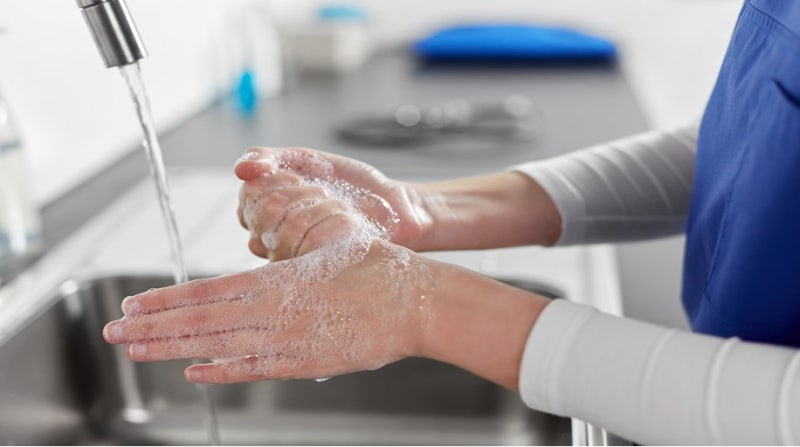
Top Priority Prevention Rule: The most important thing to practice to prevent norovirus infection is to wash your hands thoroughly with soap under running water for at least 30 seconds. This must be done after using the bathroom, after changing diapers, before cooking, and after contact with someone who may be infected.
Precautions During Cooking
If a cook shows symptoms of stomach upset, diarrhea, or vomiting, they should stop cooking immediately and check for infection. If infected, transmission is possible for up to 2 weeks even after symptoms improve, so it is safe to avoid cooking for at least 2 weeks.
Environmental Disinfection
Norovirus can survive on contaminated surfaces for weeks to months and can spread through the feces or vomit of an infected person, toothbrushes, or touched doorknobs. At home, contaminated areas should be wiped using disposable gloves and paper towels, and then thoroughly disinfected with a chlorine-based disinfectant made by diluting 1 tablespoon of bleach in 1L of water.
- Supervision: Professor Lee Kyung-mi [Chronic Inflammation Clinic], Nutritionist Joo Hye-ji, Nutritionist Han Mi-ran (Food Therapy)
- Source: CHA Hospital Official Blog https://blog.naver.com/chagroup/224042164852
Reservation Inquiries: 02-3015-5300 | Chaum Life Center, 4-1 Cheongdam-dong, Gangnam-gu, Seoul

Frequently Asked Questions
What symptoms appear when infected with norovirus?
Symptoms such as vomiting, abdominal pain, diarrhea, and low-grade fever mainly appear. Symptoms begin after an incubation period of 24-48 hours post-infection and generally last for 1-3 days. Be careful as severe vomiting and diarrhea can lead to dehydration.
How can I prevent norovirus when eating oysters or clams?
They should be consumed after being thoroughly heated to a core temperature of 85℃ for at least 1 minute. Oysters and clams should be thoroughly washed with tap water, and it is safer to cook and eat them in fully cooked forms such as soup, steamed dishes, or pancakes, rather than raw.
Is it safe to eat frozen fruit without washing it?
No, you must wash it under running water before eating. Norovirus can survive even in a frozen state, so low-temperature storage does not kill the pathogens. Check the food type on the product packaging and be sure to wash it before consumption.
Can alcohol-based hand sanitizer eliminate norovirus?
No, alcohol-based hand sanitizers cannot kill norovirus. This is due to the virus's tough protein shell, so the most effective way to prevent it is to wash your hands with soap under running water for at least 30 seconds.
Can a person infected with norovirus cook?
No, cooking should be stopped immediately. Even after symptoms improve, the virus can still be transmitted for up to two weeks, so it is safest to avoid preparing food for at least two weeks.