2026-06-03
Runny Nose... Is it a Cold or Allergies? Key Differences You Must Know
Learn how to distinguish between a common cold and spring allergies by comparing causes, symptoms like itchy eyes vs. fever, and effective treatments.
With daytime highs reaching 17–20 degrees Celsius, mild spring weather has officially begun.
According to the Korea Forest Service, cherry blossoms began blooming last week starting at Halla Arboretum in Jeju.
The forecast predicts blooms will continue in Daegu on April 2, Jirisan on April 7, and Seoraksan and Gayasan on April 10.
Due to increased variability from climate change, cherry blossoms are blooming earlier than usual, with full blooms expected nationwide during the first and second weeks of April. Please keep this in mind when planning your spring outings or dates.
Along with the excitement of this season comes an unwelcome guest.
Many people suffer from a runny nose, sneezing, and nasal congestion during this time.
The problem is that it can be confusing whether these symptoms indicate a simple cold or spring allergies.
While they may look similar, their causes, symptoms, and treatments are completely different, making it crucial to distinguish between them.
Today, we will clearly explain the differences between a cold and allergic rhinitis.
The Causes are Different (Cold vs. Allergic Rhinitis)
A ‘cold’ is a disease that occurs when a virus invades our body. It is particularly easy to catch during the change of seasons when temperatures fluctuate or when the immune system is weakened. Common causes include coronaviruses and rhinoviruses, which are mainly transmitted through airborne droplets or hand contact. In other words, a cold is an infectious disease caused by external viruses. *Simply put, when an external virus enters the body, our immune system fights to eliminate it, resulting in various symptoms. This is why it is accompanied by symptoms such as fever, body aches, and a cough or phlegm.
On the other hand, ‘allergic rhinitis’ is not caused by a virus but by an ‘overreaction’ of the body’s immune system to substances such as pollen, dust, mites, or animal dander. *Simply put, the body mistakes harmless pollen for a ‘dangerous enemy’ and reacts excessively. During this process, a substance called ‘histamine’ is released, leading to symptoms like a runny nose, sneezing, and itching.
In summary, a cold is an ‘infectious disease’ caused by an actual viral invasion, while allergies are an ‘immune response’ where the body overreacts on its own.
Confusing Symptoms: How Do They Differ?

Cold symptoms include: | Allergic rhinitis symptoms include: |
|
|
Q1. Are your eyes and nose itchy? → Likely allergies
Q2. Do you have a fever and feel chilly? → Likely a cold
Q3. Is it a cough with a sore throat rather than repeated sneezing? → Likely a cold
Q4. Did clear nasal discharge eventually turn yellow? → Likely a cold
Q5. Have symptoms remained exactly the same for over a week? → Likely allergies
Colds and Allergies Have Different Treatments and Prevention Methods!
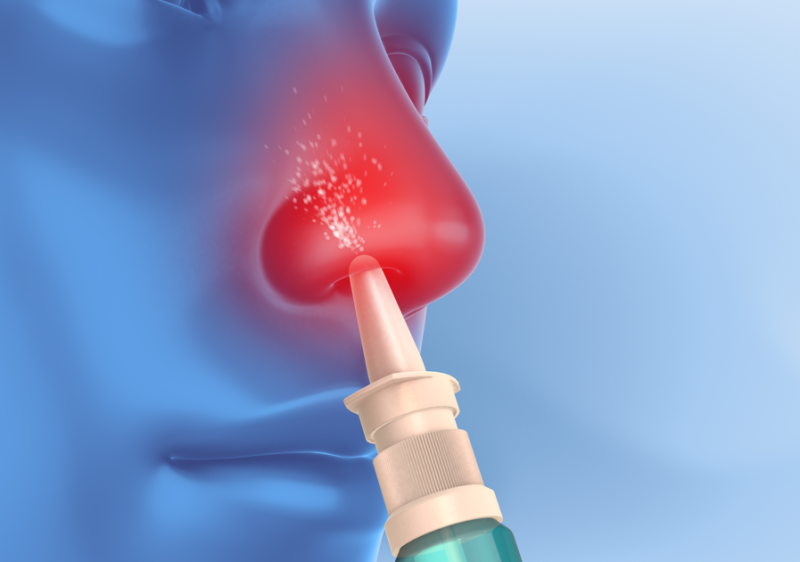
Although some symptoms of a cold and allergic rhinitis may appear similar on the surface, they are entirely different when looking at the causes and specific manifestations. This is why allergy symptoms often do not improve even if you take cold medicine.
Cold Treatment | Allergic Rhinitis Treatment |
|
|

Since both colds and allergic rhinitis lower our condition and quality of life, prevention is important. For allergic rhinitis in particular, while medication is an option, it is crucial to avoid triggers and manage the immune response beforehand.
Summary of Checkpoints: Cold vs. Allergy
| Allergic Rhinitis | Cold |
Cause | Immune hypersensitivity to March-April wind-pollinated pollen, dust, animal hair, house dust mites, mold, etc. | Viral infection |
Symptoms |
|
|
Pattern |
|
|
Treatment |
|
|
Prevention |
|
|
