2026-06-03
I Slept All Weekend, So Why Am I Still Tired?
Discover why long sleep doesn't always equal rest. Learn about N3 deep sleep, cortisol rhythms, and 10-minute routines to improve sleep quality and recovery.
Do you wake up feeling heavy every morning even though you slept enough?
Many people attribute this simply to aging or poor liver function. However, the more important question is this:
It is not about ‘how long you slept,’ but ‘how much your body recovered while sleeping.’
In this article, we will explore why you feel tired even after long hours of sleep and how to increase your body’s recovery power.
Why You Are Tired Despite Sleeping Long Hours
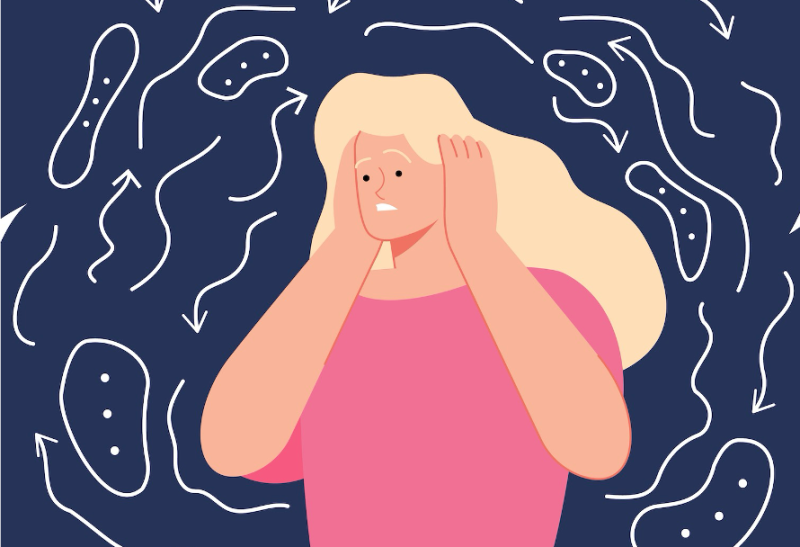
There are cases where Monday morning feels exhausting even after sleeping in and staying in bed all weekend. This might not be due to a lack of sleep time, but because you did not secure enough deep recovery sleep stages. Sleep is not just simple rest; it is a physiological process where the nervous and hormonal systems switch to recovery mode. Sleep is largely divided into light sleep (N1, N2), deep sleep (N3, slow-wave sleep), and REM sleep stages. Among these, N3 sleep is the core stage for physical recovery. During this period, growth hormone secretion increases, and tissue regeneration and immune regulation occur actively. Furthermore, recent studies report that the glymphatic system, the brain’s metabolic waste removal system, tends to increase activity during the N3 sleep stage.1)
1) Seoul National University Bundang Hospital · KAIST, Real-time observation study on brain waste discharge system (glymphatic system) activity during sleep, https://www.twig24.com/news/life/health-news/2025/07/23/20250723500058
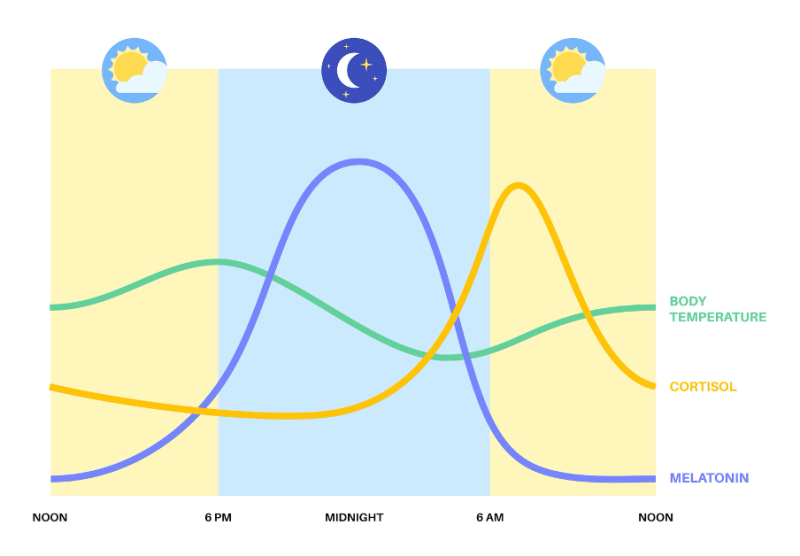
In our bodies, cortisol levels rise in the morning to help with alertness and decrease sufficiently at night to switch the body into a recovery state. However, if stress persists, a ‘flattening of the cortisol circadian rhythm’ can occur, where cortisol levels do not drop enough during the night.
In this case, entry into the N3 sleep stage (deep sleep) is restricted. Consequently, even if the sleep duration was sufficient, the quality of recovery remains low, leading to morning fatigue, decreased concentration, and so-called ‘brain fog.’ Therefore, the key point is not the ‘quantity’ of sleep time, but whether you entered deep sleep while the nervous system and hormonal rhythms were stable.
Balancing the Autonomic Nervous System for Deep Sleep
Deep sleep is not just a time to relieve fatigue; it is a critical physiological period to reorganize the balance of immunity and body rhythms. The quality of sleep is directly linked to immune resilience. During sleep, immune cell functions are regulated, and the balance of inflammatory signals is adjusted. In particular, if deep sleep is not sufficiently secured, the regulation of immune responses may decrease, potentially leading to a state of low-grade chronic inflammation. Our bodies maintain an optimal recovery state when the sympathetic nervous system (arousal) and parasympathetic nervous system (recovery) are in balance. However, if the high arousal state from daytime work, relationships, and digital stimulation continues into the night, physiological hyperarousal persists. In this state, it becomes difficult to enter deep sleep stages even while lying in bed. Therefore, intentional ‘down-shifting’2) to lower arousal is helpful.
2) Down-shifting: The process of intentionally lowering the high arousal state maintained during the day to switch the nervous system into relaxation mode.
・ Light Control (Melatonin Regulation) It is recommended to reduce exposure to blue light from smartphones and tablets and dim the lights 1–2 hours before sleep. This promotes the secretion of melatonin, the sleep hormone, helping the biological clock naturally transition to sleep mode. ・ Setting a Consistent Wake-up Time (Cortisol Stabilization) It is important to keep your wake-up time consistent even if you go to bed late. Irregular sleep and wake habits can disrupt the circadian rhythm of cortisol. Setting a fixed wake-up time is crucial for stabilizing hormonal rhythms. ・ Minimizing Late-Night Stimulation (Securing N3 Sleep) Intense exercise, excessive caffeine intake, or immersion in work late at night can activate the sympathetic nervous system and interfere with entering deep sleep (N3 stage). |
Controlling these stimuli and maintaining regular waking habits enhances the stability of the autonomic nervous system and prepares the physiological foundation for entering deep sleep. Recently, sleep stages, heart rate variability, and the number of awakenings during sleep can be checked relatively easily via smartwatches. The ratio of deep sleep (N3) or Heart Rate Variability (HRV) indicators can serve as reference materials indirectly showing the state of autonomic balance. However, it is advisable to use these devices as reference indicators rather than medical diagnostic tools. If the deep sleep ratio is repeatedly low, professional consultation may be helpful.
A ‘10-Minute Routine’ for Recovery Before Falling Asleep
Inducing a relaxation response for 10 minutes before sleep is an effective way to help enter deep sleep.
・ Vagus Nerve Stimulation Breathing Inhale through the nose for 4 seconds and exhale slowly for more than 6 seconds. Breathing that maintains a long exhalation stimulates the vagus nerve, helping to increase parasympathetic activity and lower the heart rate. This stabilizes the autonomic balance and normalizes the rhythm of recovery hormone secretion by alleviating excessive arousal before sleep. ・ Progressive Muscle Relaxation Repeat the process of contracting each part of the body from toes to head for about 5 seconds and then releasing. Consciously perceiving and relaxing muscle tension stabilizes physical sensations and alleviates sympathetic excitation. This reduction in physiological tension aids sleep entry and creates a recovery environment by lowering hyperarousal caused by chronic stress. ・ Cognitive Organizing Routine Summarize your day in one sentence and conclude unresolved issues with the thought, ‘I will deal with this tomorrow.’ This reduces cognitive overload, lowers cognitive arousal before sleep, and helps create an environment for deep sleep through autonomic stability. |
Category | Method | Physiological Action | Expected Effect |
Vagus Nerve Breathing | 4s inhale, 6s+ exhale | Increased parasympathetic activity, improved HRV | Decreased heart rate, stabilized arousal, shortened sleep latency |
Muscle Relaxation | Toes to head contraction/release | Reduced muscle tension → Alleviated sympathetic excitation | Reduced physiological hyperarousal, aids deep sleep entry |
Cognitive Organizing | One-sentence summary + focused breathing | Reduced stress perception → Lowered cognitive arousal → Autonomic stability | Reduced cognitive overload, pre-sleep arousal relief, immune balance |
The answer to the question ‘Why am I tired after sleeping all weekend?’ is simple. We may have slept, but we likely failed to enter the recovery stage sufficiently. Deep sleep is a vital physiological process for cell recovery, immune regulation, and clearing the brain’s environment. What is more important than the quantity of sleep is the qualitative transition into sleep in a state where tension has been fully released.
To help manage personalized sleep and improve sleep quality, Chaum provides nutritional supplement therapy and Photobiomodulation (PBM) alongside prescriptions for sleep aids or sedatives. Depending on individual conditions, prescriptions for supplements like Theanine & Vitamin B6 or Melatonin, which aid sleep rhythms and relaxation, can be considered. PBM therapy, which can assist in stabilizing cortisol (stress hormone), is also utilized.
If you are struggling with difficulty falling asleep, frequent waking, unrefreshing sleep, or sleep issues caused by stress and tension, please feel free to request a consultation. After reviewing your current sleep status and lifestyle patterns, we will provide detailed guidance on safer and more systematic sleep management methods.
- Reviewed by: Professor Yang Ji-heon, Chaum Health Life Center
Inquiries
Chaum Health Life Center 02-3015-5005 | 3rd Floor, Chaum, 442 Dosan-daero, Gangnam-gu, Seoul (4-1 Cheongdam-dong)
