2026-06-03
Hair Loss Prevention & Management: A Comprehensive Guide | Lifestyle Check, Hair Washing, Scalp Care, Diet, and Treatments
A comprehensive guide to hair loss prevention and management, covering lifestyle habits, proper hair washing techniques, scalp care, dietary recommendations, and medical treatments.

Have you ever looked at yourself in a photo and thought,
‘My crown seems thinner than before…’
and suddenly felt concerned?
The number of hairs falling out is increasing,
and when you tie your hair, it doesn't feel as firm as it used to.
‘Could this be the start of hair loss?’
If you've ever had such a thought,
managing your lifestyle habits from now on is crucial.
Today, for hair loss prevention and management,
we'll cover everything from lifestyle habits and hair washing methods to scalp care and diet,
one by one!
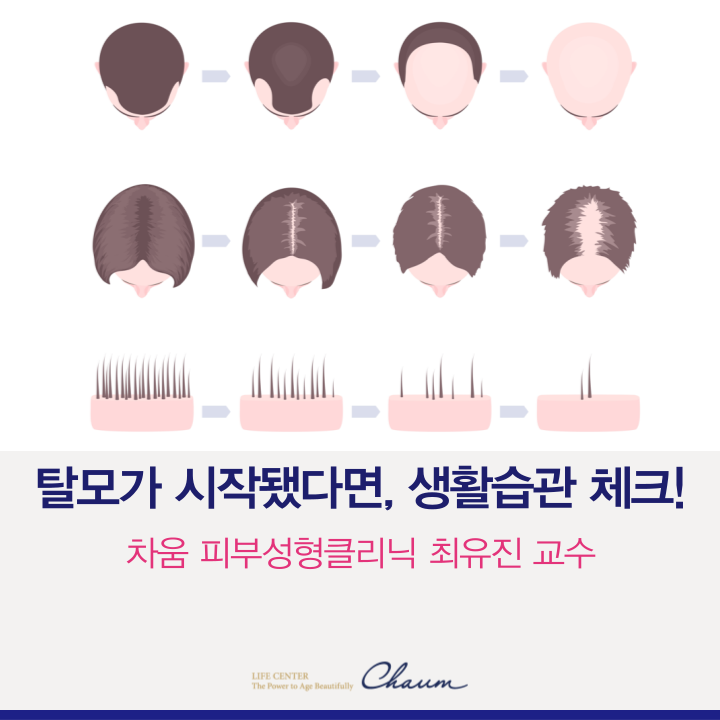
The Foundation of Hair Loss Prevention and Management is Lifestyle Habits
While hair loss has genetic influences, its progression can vary depending on lifestyle management. Daily habits such as sleep patterns, shampooing routines, and scalp irritation determine the scalp environment. The hours between 10 PM and 2 AM are known as the most active period for our body's regeneration. During this time, the scalp also actively regenerates hair follicle cells through the secretion of regenerative hormones. Therefore, it's best to get enough sleep during these hours. Additionally, regular exercise and stress management techniques like meditation and walking can contribute to healthy hair roots.
Why it's Better to Wash Your Hair at Night Than in the Morning
Scalp UV Exposure: If you wash your hair in the morning, your scalp is exposed to UV rays after its natural oils have been washed away. The scalp is also skin, and like your face, it can become sensitive due to UV exposure. Especially since it directly receives UV rays at the highest point of the body, exposure without a protective barrier can cause more damage, leading to sebum and dead skin cell buildup, creating an environment prone to hair loss. Furthermore, harmful substances like dust and sebum accumulate on the scalp and hair throughout the day, so not washing them off before sleeping is detrimental to scalp health.
Thorough Scalp Cleansing with Evening Shampoo: Conversely, washing your hair at night removes accumulated waste and sebum from the day, allowing hair to grow better during the scalp's regeneration period (10 PM to 2 AM). It's recommended to shampoo at least one hour before going to bed. For those concerned about dandruff or excessive oil secretion, using a scalp-specific tonic before shampooing can be helpful. Scalp-specific tonics help remove stubborn dead skin cells and old waste that are difficult to remove with shampoo alone. However, if you have seborrheic dermatitis accompanied by an itchy and red scalp, using a tonic might be irritating, so it's best to be cautious.
Optimal Water Temperature and Washing Method for Hair Loss Management
Shampoo Water Temperature Should Be Around 37°C, Similar to Body Temperature: Cold water doesn't effectively wash away waste, and hot water can irritate the scalp and hair. Therefore, an appropriate water temperature similar to body temperature, around 37°C, is ideal. When shampooing, thoroughly wet your hair, then focus on cleansing the scalp meticulously rather than just the hair. When rinsing, also focus on the scalp, using the 'pads' of your fingers, not your fingernails, to gently massage the pores without scratching the scalp.
Drying with Natural Air or Cool Air
When drying your hair, first remove excess water with a towel by patting it dry. Hot air from a hairdryer can increase scalp temperature, irritating hair follicles. This can dry out the scalp and disrupt its oil-moisture balance, potentially leading to hair loss. It's best to dry your hair with cool air from a hairdryer or natural air, keeping the hairdryer at least 15cm away. However, be careful not to leave your hair completely undried, as this can also be a cause of hair loss.
📍 Hair Loss Prevention and Management Lifestyle Checklist
1. Wash hair at night (at least 1 hour before sleep)
2. Scalp regeneration time (10 PM to 2 AM)
3. Shampoo water temperature: 37°C lukewarm water
4. When shampooing, no fingernails! Massage scalp with finger pads
5. When drying hair, use natural air or cool air
Scalp Care and Massage Tips
5-15 Minutes of Scalp Massage Daily
Stimulating the scalp improves blood circulation and activates cell metabolism beneath the scalp, allowing nutrients to be smoothly supplied from the hair roots to the tips, which also helps in better waste discharge.
Daily 5-15 Minute Scalp Massage:
① Relax your shoulders and body, then gently press the indented area at the back of your head where it meets your neck with both hands.
② Place both hands behind your head, horizontally with your ears, and press the back of your head with your middle three fingers.
③ Slowly press a straight line from the crown of your head to the back of your head with your fingers.
④ Place both hands on the center part of your hair and gently press downwards along both sides.
※ Wait, is the common belief that tapping the scalp with a comb stimulates blood circulation and helps prevent hair loss true?
NO. This is a misconception. While scalp massage does help blood circulation, simply tapping with a comb is unlikely to prevent hair loss. Excessive comb use can actually cause micro-injuries to the scalp, increasing dead skin cells and sebum. Especially if you usually have dandruff or inflammation, combing can be irritating, so it's best to avoid vigorously tapping your head with a comb.
Managing Your Daily Comb - When Did You Last Clean It?
Don't Overlook Comb Cleaning: A comb used multiple times a day can become a breeding ground for bacteria if not cleaned properly, accumulating scalp waste, dandruff, and sebum. This can lead to scalp inflammation and itching. It's important to wash your comb regularly. Disinfect your comb with a cotton pad soaked in medical alcohol or an alcohol swab, or soak it in shampooed water and rinse it several times. It's also best to avoid sharing combs with others or using a single comb for more than a year.
5 Foods That Help Prevent Hair Loss
Chaum Food Therapy [Chronic Inflammation Clinic] Nutritionists Joo Hye-ji and Han Mi-ran share 5 ingredients that help with hair loss.
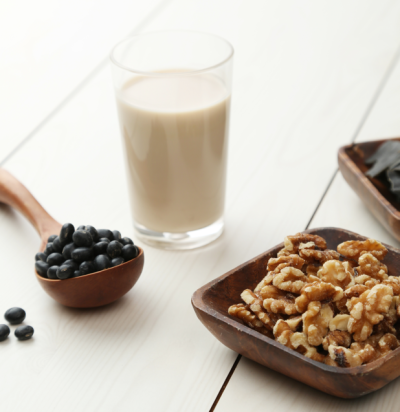
Black Beans: An indispensable ingredient for hair loss prevention. Black beans are a rich source of plant-based protein, cysteine, lysine, and other essential amino acids, which are crucial for producing keratin, the main component of hair. They are also rich in anthocyanins, isoflavones, and polyphenols, which are antioxidants that help improve blood circulation in the scalp and ensure smooth nutrient supply to hair roots. Regular consumption of black beans is recommended to maintain healthy hair.
Boiled Eggs: Eggs are rich in protein, L-cysteine, and biotin. L-cysteine is known to be involved in the protein structure of hair, helping to maintain elastic and strong hair. However, consuming raw eggs is not recommended. A substance called 'avidin' in raw egg whites interferes with biotin absorption in the body, so eggs must always be cooked before consumption.
Fatty Fish: Fatty fish such as salmon, mackerel, tuna, and sardines are rich in omega-3, protein, selenium, and vitamin B. Appropriate consumption can increase hair density and moisturize the scalp, contributing to healthy hair.
Spinach: An excellent ingredient for scalp health, rich in iron, vitamin C, folic acid, magnesium, and biotin. Spinach consumption can particularly help improve iron deficiency, one of the main causes of female hair loss. It is also rich in vitamin C, which aids in collagen synthesis and antioxidant activity, helping to prevent hair loss.
Nuts: Nuts like walnuts, almonds, peanuts, and cashews are rich in vitamin E, omega-3, and zinc, offering benefits for blood flow improvement and antioxidant effects. Walnuts, in particular, are rich in plant-based protein that forms keratin, providing nutrition to hair, and alpha-linolenic acid, a type of omega-3 fatty acid, which improves blood circulation and is effective in preventing hair loss. Almonds also contain a large amount of vitamin E, a powerful antioxidant, which protects hair, improves scalp blood circulation, reduces scalp inflammation, and helps maintain healthy hair follicles. However, the recommended daily intake of nuts is around 10-20 pieces, and it's advisable to consume a variety of nuts.
Bonus: There's also an interesting story about the relationship between hair loss and matcha!
Reference: Chaum Official Blog
https://blog.naver.com/chagroup/224128767603
When Lifestyle Habits Aren't Enough: Hair Loss Products, Medications, and Treatments
Prompt Medical Diagnosis and Current Condition Assessment Are Essential
There are limitations to treating and preventing hair loss with products alone. Especially if hair loss has already progressed, relying solely on products instead of treatment is not appropriate. If you suspect hair loss, it is paramount to visit a hospital for an accurate diagnosis.
For men, taking hair loss medications like finasteride and dutasteride can suppress the production of DHT (dihydrotestosterone) male hormones, delaying the progression of hair loss. However, these drugs are prohibited for women of childbearing age due to the potential for fetal malformation during pregnancy. For women, minoxidil may be applied topically to the scalp, or oral contraceptives may be prescribed after a doctor's consultation.
Scalp Botox Hair Loss Management Treatment
Scalp Botox helps relax scalp muscles, alleviating scalp tension, improving blood flow, and increasing oxygen and nutrient supply to hair follicles, thereby promoting hair health. It can also reduce sebum secretion, which helps improve the scalp environment in cases of seborrheic dermatitis caused by excessive sebum production. If you are undergoing management programs like hair spas, combining them with scalp Botox every 3-6 months is also recommended.
Choosing a Hair Loss Shampoo
One of the first methods people with hair loss concerns try is using hair loss shampoos advertised as effective for improving hair loss. Hair loss symptom relief shampoos work by supplying ingredients that help alleviate scalp inflammation and provide nutrition to reduce hair loss. However, for male pattern baldness (androgenetic alopecia), the pathophysiology of the hair follicle is more important than the scalp surface. Since male pattern baldness often arises from complex causes, while hair loss relief shampoos may offer some help, their direct effect is not significant. Some people use over-the-counter hair loss functional products and only seek medical attention when their condition worsens. Please be careful not to miss the appropriate timing for hair loss treatment.
Check Shampoo Ingredients for Allergens: When choosing a hair loss shampoo, if you have sensitive skin, products containing too many functional ingredients are likely to cause irritant or allergic contact dermatitis. Also, for oily skin with high sebum secretion, if the contained ingredients block pores, it can easily lead to folliculitis, so caution is advised. It is recommended to refer to recently popular cosmetic ingredient apps or decide on a shampoo after consulting with a specialist.
Consistent attention to lifestyle habits, shampooing methods, scalp care, and diet is key to preventing and managing hair loss.
Practice the methods summarized today one by one to maintain a healthy scalp and hair!
Areas of Practice: Skin diseases, whitening, lifting laser treatments, acne, hair loss treatment. Professor Choi Yu-jin, a dermatologist, primarily handles non-surgical anti-aging whitening, provides consultations for skin diseases, performs treatments for pigmentary disorders, and conducts lifting procedures such as Ultherapy and Thermage. She is particularly renowned for providing comprehensive skin care by advising patients on the most suitable treatments and home care methods, considering each individual's skin type and age.
Inquiries:
Chaum Dermatology & Plastic Surgery Clinic (Cheongdam-dong Dermatology) | 2nd Floor, Beauty Life Center, Chaum, 4-1 Cheongdam-dong, Gangnam-gu, Seoul

Frequently Asked Questions
When is it better to wash my hair, morning or evening?
It is better to wash your hair in the evening. Removing waste products and sebum accumulated throughout the day before going to bed creates a healthier environment for hair growth during the scalp regeneration period between 10 PM and 2 AM.
Does tapping the scalp with a comb help prevent hair loss?
No, it does not help. Tapping with a comb can actually cause micro-injuries to the scalp, increasing dead skin cells and sebum, and it can irritate inflamed areas, so it's best to avoid it. Instead, gently massage with your fingertips.
Can hair loss prevention shampoo alone treat hair loss?
Shampoo alone has limitations. Shampoos for alleviating hair loss symptoms can provide supplementary help, such as reducing scalp inflammation, but they do not have a significant direct treatment effect for hair loss caused by complex factors like male pattern baldness, so a specialist's diagnosis is necessary.
What are the effects of scalp Botox on hair loss management?
Scalp Botox has the effect of relaxing scalp muscles and improving blood flow. This increases oxygen and nutrient supply to hair follicles, promoting hair health, and helps improve seborrheic dermatitis conditions by reducing excessive sebum secretion.
What foods are good for preventing hair loss?
Black beans, boiled eggs, fatty fish, spinach, and nuts are helpful. Black beans, in particular, are rich in amino acids essential for keratin production, which is the main component of hair, and eggs must be cooked to prevent interference with biotin absorption.