2026-06-03
Could You Be Vitamin D Deficient?
Learn why vitamin D is essential for bone health, immunity, and sleep, and discover practical ways to maintain optimal levels through sunlight, diet, and supplements.
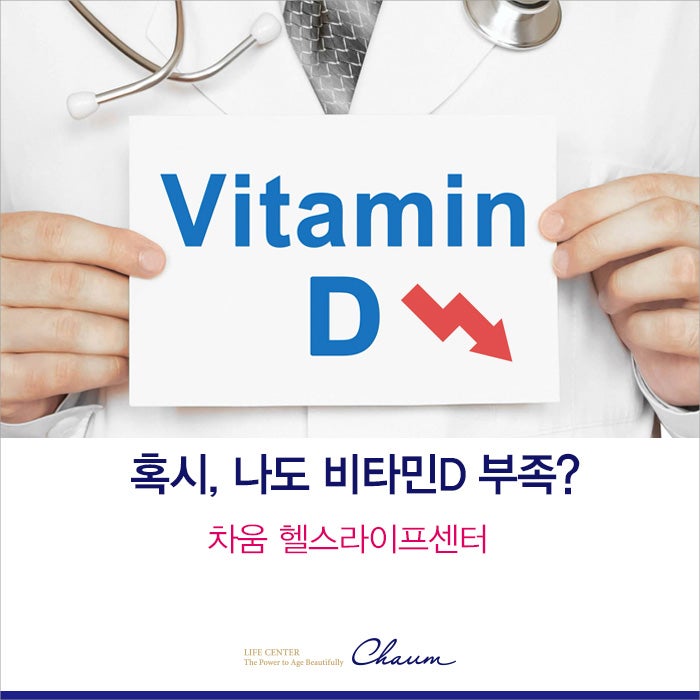
Our bodies send small, subtle signals every day, but more than half of them are easily ignored. When you experience frequent fatigue, constant muscle aches, or recurring colds, it is easy to dismiss them as simple lifestyle stress or exhaustion. However, the actual cause may be a vitamin D deficiency. In this article, we will explore why vitamin D is so important, how common deficiency is, the risks involved, and how to manage your levels in daily life.
Why is Vitamin D Important?
Vitamin D is a fat-soluble substance that acts like a hormone in the body. It is first produced in the skin when exposed to sunlight and then converted into its active form through the liver and kidneys. This activated vitamin D helps the intestines absorb calcium and phosphorus, contributing to maintaining strong bones. Vitamin D receptors exist in almost all major tissues, including immune cells, muscles, blood vessels, and brain cells. Furthermore, it balances the immune system, regulates inflammatory responses, and influences nervous system functions such as muscle strength, recovery, mood, and concentration.
Modern individuals have significantly reduced skin synthesis due to increased indoor activities, use of sunscreen, and decreased seasonal sunlight. In fact, epidemiological studies both domestically and abroad report that more than 50% of adults are vitamin D deficient. The elderly, in particular, are at a higher risk of deficiency due to decreased skin synthesis capacity and kidney function. When blood levels drop, it can lead to a decline in bone health, increased fatigue, higher risk of infection, and a gradual decrease in muscle function, making consistent management vital. Since vitamin D can easily become deficient in modern living environments, regular testing and supplement strategies based on lifestyle habits are essential.
The Impact of Vitamin D Deficiency on the Body
More people than we imagine are living without sufficient amounts of this nutrient. The risk is particularly high for the elderly, those who spend most of their time indoors, obese individuals, and those who consistently use sunscreen.
Category | Risk Factors for Deficiency |
Age | Decreased synthesis capacity in the elderly |
Lifestyle | Indoor-centered life, low outdoor activity |
Physical Characteristics | Obesity (affects how it is stored in the body) |
Skin Protection | UVB blockage by sunscreen |
Environment | UVB blockage by windows and indoor glass |
So, what risks increase when vitamin D is insufficient?
・ Bone and Muscle-Related Diseases
Vitamin D plays a crucial role in calcium absorption. When levels are low, the ability to draw calcium from the intestines decreases, and parathyroid hormone (PTH) is excessively secreted to maintain blood calcium levels. This is known as secondary hyperparathyroidism. If this persists, minerals are leached from the bones, leading to decreased bone density and, in severe cases, osteomalacia. Research also suggests that muscle function can be affected, leading to weakness or muscle pain.
・ Weakened Immunity and Increased Chronic Diseases
Vitamin D acts as an important signaling substance that regulates the balance of the immune system. Studies have suggested that a deficiency can increase sensitivity to infectious diseases and may be linked to hypertension, metabolic syndrome, and autoimmune diseases.
・ Increased Incidence of Sleep Disorders and Depression
Vitamin D is a vital physiological substance that broadly affects not only metabolism and vascular health but also sleep and emotions. Domestic research has confirmed that lower vitamin D concentrations are associated with longer times to fall asleep and irregular total sleep duration. Furthermore, since active vitamin D is involved in the synthesis of serotonin in the brain, its link to feelings of depression or low mood continues to be reported. Vitamin D deficiency is not just a simple nutritional lack; it can lead to systemic health issues such as sleep disorders, emotional changes, and abnormalities in blood sugar and fat metabolism, requiring steady management.
1. Asan Medical Center. 2025. Osteoporosis: The Silent Threat to Life. https://zrr.kr/iT3E8U
2. Medical Today. 2022. Worried about weakened immunity? Check with a Vitamin D test. https://mdtoday.co.kr/news/view/1065574979782488
3. Kyunghyang Shinmun. 2022. ‘Vitamin D deficiency can lower sleep quality’. https://www.khan.co.kr/article/202208241145001
4. Sports Kyunghyang. 2024. Report on the link between Vitamin D, depression, and mood disorders. https://sports.khan.co.kr/article/202404301339003
How to Replenish Vitamin D in Daily Life
According to data from the Korea Disease Control and Prevention Agency, vitamin D is an essential nutrient for bone and immune health. However, more than half of modern people are reported to be deficient due to indoor lifestyles and frequent sunscreen use. Fortunately, vitamin D can be sufficiently replenished through small daily habits.
The most natural way is to synthesize vitamin D through skin exposure to sunlight. Walking or resting in the sun for 10 to 20 minutes about 2 to 3 times a week during the day is helpful. However, during seasons with low sunlight, such as winter, or on cloudy days, synthesis decreases, so it is good to pay attention to food intake as well. Salmon, mackerel, egg yolks, sun-dried mushrooms, and vitamin D-fortified milk or cereal are good options, though it is difficult to meet the recommended intake through the average diet of modern people who frequently consume instant and fast foods. Taking supplements is another way to replenish deficient vitamin D; specifically, the Vitamin D3 form has a high bioavailability and aids absorption when taken with a meal. Most importantly, avoid excessive intake and adjust your dosage by checking your levels through health checkups or blood tests. By balancing sunlight, food, and supplements, you can successfully improve a vitamin D deficiency.
Category | Method | Advantages | Precautions |
Sun Exposure | 10–20 mins during lunch, 2–3 times a week | Most natural and effective synthesis | Reduced synthesis in winter or on cloudy days |
Dietary Intake | Salmon, mackerel, egg yolks, mushrooms, fortified foods | Easy to accumulate through meals | Often insufficient through typical Korean diets alone |
Supplements | Vitamin D3 form, take with meals | Rapid improvement of concentration levels | Do not exceed dosage; check levels regularly |
Vitamin D is not just a simple nutrient; it plays a vital role in maintaining the overall balance of our bodies. While it is easy for modern people with indoor-centric lives to become deficient, you can maintain healthy vitamin D levels by utilizing three methods: sun exposure, food choices, and supplement adjustment. Since blood levels can vary significantly depending on the season, it is important to regularly check your status and continue supplementation tailored to your lifestyle. We hope you enjoy a healthier life through balanced vitamin D management.
- View Chaum Kakao Channel Card News: https://pf.kakao.com/_dTXdj/108956485
- Original Post: https://blog.naver.com/chaum_plc/222681757236
Inquiries
Chaum Power Aging Clinic 02-3015-5300 | Health Life Center, 3rd Floor, Chaum, Cheongdam-dong, Gangnam-gu, Seoul
