2026-06-03
Late Winter to Early Spring: Infectious Disease Alert!
As winter ends and spring begins, be aware of increased risks for influenza, RSV, and norovirus due to rising temperatures, increased social activity, and poor ventilation.
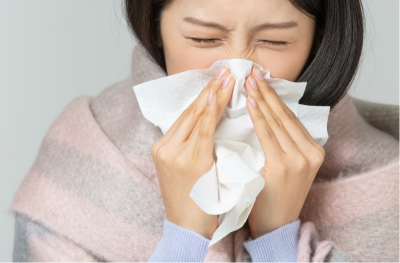
This winter, marked by unusual cold and frequent snow, is gradually drawing to a close. While it's the end of the winter season, it's also a period that requires particular caution regarding infectious diseases. As temperatures slowly rise, outdoor activities and gatherings increase, and communal living in schools and daycare centers becomes active again. Furthermore, continuous indoor heating often leads to insufficient ventilation, creating an ideal environment for the spread of respiratory and gastrointestinal viruses. In fact, the Korea Disease Control and Prevention Agency (KDCA) consistently urges caution regarding major infectious diseases such as influenza, RSV, and norovirus during the late winter to early spring period. In this article, we will examine representative viral infections that require special attention during this time.
Why Viral Infections Increase Again from Late Winter to Early Spring

Towards the end of winter, discomfort initially dismissed as a simple cold might actually be a viral illness such as influenza, Respiratory Syncytial Virus (RSV), or norovirus infection. The problem is that these infectious diseases are difficult to distinguish from each other based on initial symptoms alone. They often begin with common symptoms like coughing, runny nose, or fever, making it easy to dismiss them as temporary malaise. In the meantime, many people miss the optimal treatment window or suffer from the infection. Particularly during the transition from late winter to early spring, increased outdoor activities and gatherings, along with the resumption of communal living in schools and daycare centers, naturally lead to more opportunities for exposure to infections. Additionally, larger daily temperature fluctuations create an environment where immune balance can easily be disrupted, and insufficient ventilation due to indoor heating creates favorable conditions for virus transmission. These factors combine to show a tendency for infectious disease outbreaks to increase again.
Therefore, respiratory or digestive symptoms appearing during this period should not be simply dismissed as a common cold. It is necessary to re-evaluate them, considering the onset of symptoms, the presence of high fever or systemic symptoms, and risk factors such as age or underlying conditions. This assessment can be an important starting point for early differentiation and appropriate response to infectious diseases.
First Infectious Disease to Watch Out For: Influenza vs. Common Cold. What's the Difference?

Influenza and the common cold are the most frequently confused illnesses from late winter to early spring. Both diseases begin with respiratory symptoms such as coughing, runny nose, and sore throat, making early differentiation difficult. As a result, many people dismiss them as ‘just a cold,’ but medically, there are clear differences in the causative viruses and clinical course. The common cold is caused by various viruses, such as rhinoviruses, and symptoms usually begin gradually and are often mild. In contrast, influenza is an acute respiratory infection caused by the influenza virus, characterized by a sudden high fever accompanied by distinct systemic symptoms such as muscle aches, headaches, and severe fatigue. The speed of symptom onset and the degree of systemic malaise often differ between the two diseases. While it's generally easy to think that ‘it will get better naturally with a few days of rest,’ in the case of influenza, antiviral treatment initiated early in the symptom onset can be beneficial, and its effectiveness is known to be greater the earlier it is administered. Furthermore, in high-risk groups such as the elderly, pregnant women, and those with chronic diseases, the risk of complications like pneumonia is higher, requiring more careful observation. If high fever and systemic symptoms appear, it is recommended to consult a medical professional to confirm whether it is influenza, rather than simply assuming it's a common cold and waiting to see.
<Differences Between Influenza and the Common Cold>
Category | Influenza (Flu) | Common Cold |
Causative Virus | Influenza virus (Type A, B, etc.) | Over 200 types of various viruses, including rhinoviruses |
Symptom Onset | Starts suddenly | Appears gradually |
Fever | High fever (38℃ or above) is common | Rare or low-grade fever |
Cough/Sore Throat | Common and symptoms are relatively severe | Common but relatively mild |
Runny/Stuffy Nose | May be accompanied depending on the case | Commonly occurs |
Headache/Muscle Aches/Body Aches | Common and severely accompanied | Mild or almost none |
Fatigue/Weakness | Can last 2-3 weeks or more | Lasts relatively short |
Complications | Risk of pneumonia, worsening of existing conditions | Rare (e.g., otitis media in children) |
Treatment Approach | Antiviral drugs + symptomatic treatment | Symptomatic treatment focused on relief |
Prevention | Annual vaccination + personal hygiene | Personal hygiene, such as hand washing |
As seen above, influenza and the common cold have clear differences in causative viruses, symptom severity, and treatment approaches. Especially if high fever and systemic symptoms are prominent, it is a safer approach to consult a medical professional to confirm whether it is influenza, rather than simply dismissing it as a common cold.
Second Infectious Disease to Watch Out For: RSV
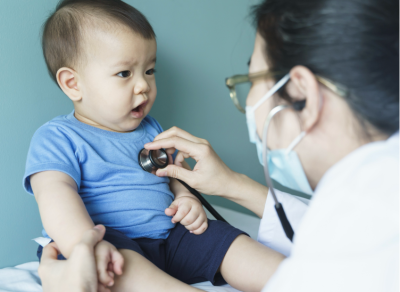

Respiratory Syncytial Virus (RSV) is not an infection limited to a specific age group; it can also manifest with cold-like symptoms in adults and adolescents. However, while most adults experience it relatively mildly, it requires caution as its clinical significance can differ greatly in infants and young children. Particularly in children under 2 years of age, there is a possibility of progression to bronchiolitis or pneumonia, which may be accompanied by symptoms such as rapid breathing, wheezing, or difficulty breathing. While guardians may easily perceive it as prolonged runny nose or cough, if reduced feeding or changes in breathing patterns are observed, it is difficult to consider it a simple cold. In such cases, hospitals closely monitor the respiratory status and consider hospitalization if necessary. RSV infection is currently a disease where supportive care, such as symptom relief and respiratory assistance, is central rather than specific antiviral treatment, and early recognition and appropriate management can affect the prognosis. Recently, in relation to the RSV epidemic, health authorities have continuously urged caution regarding infant and young child health management. Basic respiratory hygiene management is important for all ages, but especially for infants and young children, it is necessary to observe changes in symptoms more carefully.
<RSV Infection: Symptoms by Age Group>
Category | Infants/Young Children | Adults/Adolescents |
Main Symptoms | Cough, runny nose, shortness of breath, wheezing, etc. | Cold-like symptoms such as runny nose, cough, sore throat |
Symptom Progression | Possible progression to bronchiolitis/pneumonia | Often improves relatively mildly |
Impact on Daily Life | Impacts daily life, such as reduced feeding, reduced sleep | Often recovers with rest and symptomatic treatment |
Treatment Approach | Consider hospitalization depending on respiratory status | Outpatient care and observation of progress |
Key Caution Point | Severe risk in children under 2 years of age | Severe risk in the elderly and those with underlying conditions |
Third Infectious Disease to Watch Out For: Norovirus

Norovirus infection is a representative viral gastroenteritis that is prevalent from winter to early spring, characterized by the sudden onset of vomiting, diarrhea, and abdominal pain. It is highly contagious, as infection can occur with a very small amount of virus, and it is often mistakenly believed that ‘only food needs to be avoided.’ However, in reality, contact transmission through environmental surfaces such as hands, doorknobs, and toilets is also common. Furthermore, virus shedding can continue for a certain period even after symptoms improve, posing a high risk of further spread in communal living spaces such as daycare centers and nursing homes. Treatment focuses on preventing dehydration and alleviating symptoms rather than antibiotics, and above all, hand washing and environmental hygiene management are emphasized as key to prevention.

When evaluating viral infections, hospitals do not simply look at current symptoms. They also consider when symptoms started, how they are changing, and whether the patient belongs to a high-risk group. Even with the same symptoms of cough and fever, influenza, RSV, and the common cold may require different diagnostic and management approaches. Therefore, if symptoms persist for several days or worsen in an unusual pattern, it is safer to seek evaluation from a medical professional. Rather than excessive anxiety or self-diagnosis, understanding the characteristics of currently prevalent infectious diseases and seeking appropriate medical attention when necessary is a practical approach to health management.
-Reference: Korea Disease Control and Prevention Agency
(https://health.kdca.go.kr/healthinfo/biz/health/ntcnInfo/healthSourc/thtimtCntnts/thtimtCntntsView.do?thtimt_cntnts_sn=132&utm_source=kdca&utm_medium=kdca)
Inquiries
CHAUM Premium Health Screening Center 02-3015-5005 | 2F, 3F CHAUM, 4-1 Cheongdam-dong, Gangnam-gu, Seoul

Frequently Asked Questions
How do you distinguish between the flu and a cold?
Yes, you can distinguish them by the speed of symptom onset and the presence of systemic symptoms. Colds start gradually and have mild symptoms, whereas influenza (flu) is characterized by a sudden high fever of 38 degrees Celsius or higher, along with severe muscle pain, headache, fatigue, and other distinct systemic symptoms.
Is it dangerous if infants and toddlers are infected with RSV?
Yes, it requires caution as it can progress to bronchiolitis or pneumonia in infants and toddlers under 2 years of age. While adults may experience it as a mild cold, infants and toddlers may show symptoms such as shortness of breath, wheezing, and reduced feeding, so their respiratory status should be closely monitored.
Can norovirus be prevented by only being careful with food?
No. In addition to food, contact transmission through environmental surfaces is common. Norovirus is highly contagious and can be transmitted through doorknobs or restrooms, so thorough handwashing and environmental hygiene management are key to prevention.
How is influenza (flu) treated?
Administering antiviral drugs early in the onset of symptoms is helpful. The earlier the treatment, the greater the effect, and high-risk groups such as the elderly or those with chronic diseases are at high risk of complications such as pneumonia, so they should seek medical attention promptly if a high fever occurs.
Why do viral infections increase from late winter to early spring?
Increased outings and gatherings, and the resumption of group life such as school, are major causes. Additionally, large daily temperature fluctuations can easily disrupt immune balance, and insufficient ventilation due to indoor heating creates an environment favorable for virus transmission.