2026-06-03
Mounjaro vs. Wegovy: Mounjaro PFS – Which Weight Loss and Obesity Treatment is Right for Me? (Mounjaro effects, usage, side effects, Wegovy comparison, etc.)
Explore Mounjaro, a new dual-agonist injection for weight loss and diabetes, comparing its mechanism, efficacy, and side effects with Wegovy. Learn about prescription criteria, dosage, and essential health principles for successful treatment.
In recent years, injectable medications for weight loss, such as
Wegovy, Saxenda, and Trulicity, have garnered significant attention,
ushering in a new era of obesity treatment.
Obesity is not merely a weight issue; it's a complex disease intertwined with metabolism, hormones, and lifestyle, leading to a diversification of treatment approaches.
While exercise and diet were once considered the only solutions, scientifically backed options for weight management have emerged, broadening the scope of personalized obesity treatment.
Today, we will delve into ‘Mounjaro’, a cutting-edge injectable at the heart of these changes,
with Professor Hwang Se-na, an endocrinology specialist.

What is Mounjaro? (The principle and effects of Mounjaro)
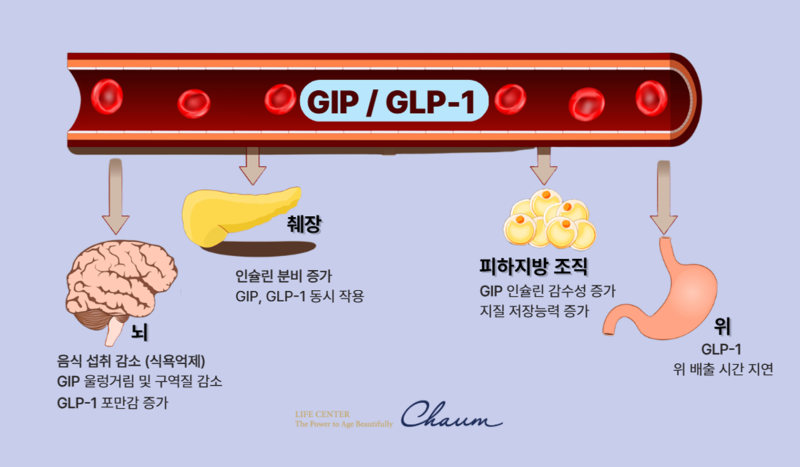
‘Mounjaro (active ingredient tirzepatide)’, launched by the American multinational pharmaceutical company Eli Lilly, is a dual agonist that activates both GIP (Glucose-dependent Insulinotropic Polypeptide) and GLP‑1 (Glucagon-Like Peptide‑1) incretin receptors. This dual action helps suppress post-meal blood sugar spikes, increase insulin secretion, delay gastric emptying, and enhance satiety, leading to improved blood sugar control and weight loss.
GLP-1 significantly lowers blood sugar by increasing insulin secretion in a glucose-dependent manner and reducing excessive glucagon secretion. It was initially used as a treatment for type 2 diabetes. It also acts directly on the brain's appetite center to suppress appetite and delays gastric emptying, enhancing satiety and leading to excellent weight loss, thus receiving approval as an obesity treatment. Tirzepatide is being studied for its even more potent weight loss effects by adding GIP action to this mechanism.
Mounjaro VS Wegovy (Comparison of mechanism of action, effects, and side effects)
Research has shown that the tirzepatide treatment group achieved a higher average weight loss percentage compared to the semaglutide treatment group. Specifically, the average weight loss at the 6-month mark was higher for tirzepatide. The combination of GIP + GLP-1 allows for stronger appetite suppression and blood sugar improvement, and results also indicated that the tirzepatide group was more favorable in achieving over 10% weight loss. However, considering individual health conditions (e.g., presence of diabetes), dietary habits, dosage, drug resistance, and treatment duration, the decision on which ingredient is more effective for an individual should be made after thorough consultation with a doctor.https://pubmed.ncbi.nlm.nih.gov/40666599/
| Wegovy | Mounjaro |
Ingredient | Semaglutide GLP-1 single action | Tirzepatide GIP + GLP-1 combined action |
Form of administration | Pen-type injection | Pen-type injection |
Weight loss effect | Reported reduction of approx. 13~15% | Reported reduction of up to 20.9% (Varies depending on usage conditions) |
Physical symptoms | Gastrointestinal symptoms such as nausea, vomiting, diarrhea, abdominal bloating. Rare cases of gallstones, cholecystitis, and pancreatitis reported. | Similar to Wegovy (some studies report lower incidence of gastrointestinal side effects) |
Can anyone take Mounjaro? (Mounjaro prescription criteria)
Mounjaro, like Wegovy, is a ‘prescription-only medication’ developed for obesity treatment and requires a doctor's prescription. It is distinctly different from health functional foods or nutritional supplements, so it should not be taken lightly.
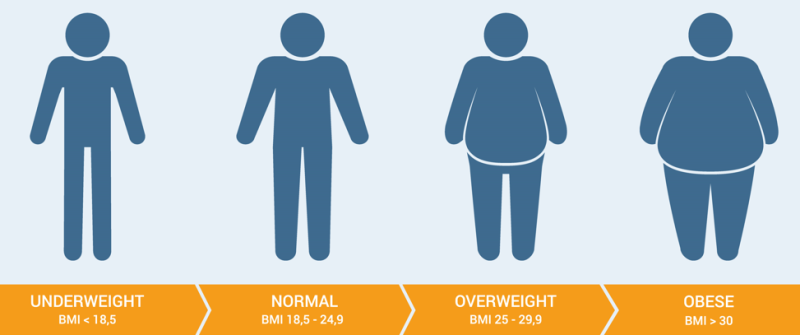
Since Mounjaro is originally a diabetes treatment, it can be prescribed to type 2 diabetic patients for both blood sugar control and weight loss. However, if it's solely for weight loss, the extent of weight loss varies individually, and initial side effects or drug responses must be monitored. Therefore, the following medical criteria from the Korean Ministry of Food and Drug Safety apply:
1) BMI of 30 or higher
2) BMI of 27 or higher accompanied by weight-related complications (hypertension, hyperlipidemia, fatty liver, sleep apnea, type 2 diabetes, polycystic ovary syndrome, etc.)
※ Mounjaro prescription is difficult for adolescents, pregnant/lactating individuals, those with a history of pancreatitis, allergies to drug components, or severe gastrointestinal diseases.
How to inject Mounjaro and what is the dosage? (Gradual titration and usage tips!)
It is administered once a week as a subcutaneous injection, at any time of day, regardless of meals. The recommended starting dose is 2.5mg, and care should be taken not to adjust the dose arbitrarily without consulting your doctor. If further dose escalation is desired, it can be gradually increased (by 2.5mg) after administering the same dose for at least 4 weeks. If you forget a dose, administer it as soon as possible if it's within 4 days (96 hours) of the scheduled injection. If more than 4 days have passed, skip the missed dose and take the next injection on its originally scheduled date. For example, if your injection day is [Monday morning], you can take the missed injection until Thursday. However, if it's past Thursday, skip that week's injection and take it the following Monday morning. What are the side effects/adverse reactions of Mounjaro?
Common adverse reactions include:
– Nausea (very common)
– Diarrhea
– Vomiting
These are primarily gastrointestinal symptoms. According to Eli Lilly, the manufacturer of Mounjaro, these adverse reactions were higher during the dose escalation period and decreased over time. However, do not ignore adverse reactions. If symptoms persist or worsen, you must consult your doctor. Also, if you are taking specific concomitant medications, there is a possibility of drug interactions, so it is important to comprehensively review this with your medical team before prescription.
Where can I get Mounjaro prescribed? Mounjaro can be prescribed after consultation with a specialist at CHAUM's Outpatient Clinic Center's Endocrinology Department, Detox Slimming Center, and Health Life Center. In addition to adjunctive self-injection treatments like Mounjaro, Wegovy, Trulicity, and Saxenda, CHAUM offers programs that can aid in weight loss while treating chronic diseases such as obesity, diabetes, and hypertension.
Health principles to follow while taking Mounjaro!


Finally, it is advisable to re-evaluate your lifestyle and eating habits while taking Mounjaro. While the active ingredient in Mounjaro clearly aids in weight loss, healthy weight loss is not achieved by medication alone. Maintaining existing unhealthy habits with the perception that it's a ‘weight-loss injection’ can be detrimental to your health.
<10 Health Commandments Recommended by Professor Hwang Se-na of Endocrinology while taking Mounjaro>
1) Do not drastically reduce food intake (consume at least your basal metabolic rate) |
2) Consume sufficient protein (focus on protein-rich meals as the risk of muscle loss is high. Muscle loss is a major cause of yo-yo effect!) |
3) Drink enough water (when appetite decreases, water intake tends to decrease naturally. Dehydration can worsen headaches, constipation, or nausea, so ensure adequate hydration) |
4) Exercise regularly |
5) Adhere to the dosage adjustment schedule (there is a reason for slowly increasing to the designated dose. Always follow the doctor's recommended gradual titration) |
6) Avoid greasy, sweet, spicy, salty, stimulating foods, and late-night snacks |
7) Reduce coffee and carbonated drinks, and avoid alcohol |
8) Eat slowly, and do not lie down immediately after eating |
9) Get enough sleep and manage stress |
10) If you experience any unusual symptoms, consult your medical team immediately |
If you're curious about Wegovy, check here~!
https://blog.naver.com/chaum_plc/223655811555
Areas of Expertise: Metabolic Syndrome, Diabetes, Thyroid Diseases, Osteoporosis, Menopause. Professor Hwang Se-na is an endocrinology specialist who graduated from Yonsei University College of Medicine. After serving as a Clinical Research Assistant Professor in Endocrinology at Severance Hospital, Yonsei University, she currently practices endocrinology and hormone therapy at CHAUM. She is an active member of the Korean Endocrine Society, Korean Thyroid Association, Korean Diabetes Association, Korean Society for Bone and Mineral Research, and Korean Society for the Study of Obesity. Through continuous research, she has received awards for excellent oral presentations at conferences such as the Seoul International Congress of Endocrinology and the Asia Pacific International Osteoporosis Congress. Inquiries: CHAUM Endocrinology Department 02-3015-5300 | CHAUM Outpatient Clinic Center, 2nd Floor, Cheongdam-dong, Gangnam-gu, Seoul

Frequently Asked Questions
What is the biggest difference between Mounjaro and Wegovy?
There are differences in ingredients and mechanisms of action. Wegovy is a GLP-1 single agonist, while Mounjaro is a dual agonist that activates both GIP and GLP-1 receptors. This causes Mounjaro to act more powerfully in suppressing appetite and improving blood sugar, resulting in a relatively higher weight loss rate.
Can anyone get a prescription for Mounjaro?
No, a prescription is only possible if specific medical criteria are met. It can only be prescribed to individuals with a body mass index (BMI) of 30 or higher, or a BMI of 27 or higher accompanied by weight-related complications such as high blood pressure or diabetes. It is difficult to prescribe for adolescents, pregnant women, and those with a history of pancreatitis.
What should I do if I miss a Mounjaro injection?
If it has been within 4 days (96 hours) of the scheduled injection date, you should administer it as soon as possible. However, if more than 4 days have passed, skip the missed injection and administer the next scheduled injection on its original date. It is important not to arbitrarily adjust the dose and to follow the prescribed schedule.
What are the common side effects of Mounjaro injections?
Gastrointestinal symptoms such as nausea, diarrhea, and vomiting are the most common. These adverse reactions primarily occur during the period of increasing drug dosage and tend to gradually decrease over time. If symptoms are severe or persistent, you must consult your doctor.
Do I not need to manage my diet when taking Mounjaro?
No, healthy diet management and exercise are absolutely necessary. You should not rely solely on the medication, and you need to consume enough protein and water to prevent muscle loss and the yo-yo effect. Additionally, it is best not to drastically reduce your food intake and to consume at least your basal metabolic rate or more.