2026-06-03
When You Feel Anxious for No Reason: The Link Between Neurotransmitters and Food
Feeling anxious without a clear cause? Learn how neurotransmitters like serotonin and nutrients like tryptophan, taurine, and Vitamin B12 influence your emotional balance.
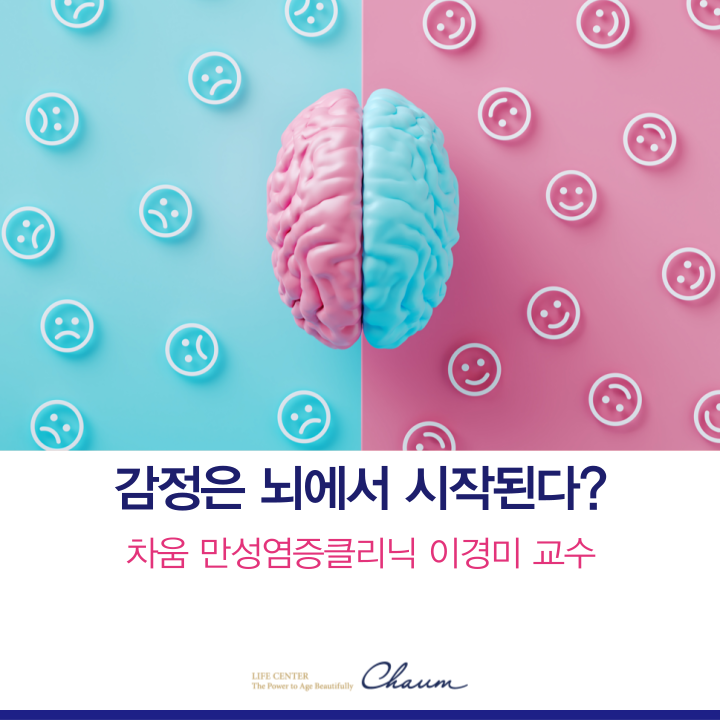
There are times when your heart sinks or you feel inexplicably anxious even though there is no particular reason.
These emotional shifts may be more than just a matter of mood; they could be related to subtle imbalances in neurotransmitters occurring within the brain.
Today, along with Professor Lee Kyung-mi from the Chronic Inflammation Clinic [Food Therapy], we will explain how emotions begin in the brain and how food and nutrition influence that balance.
When You Feel Anxious for No Reason: Changes in Brain Neurotransmitters
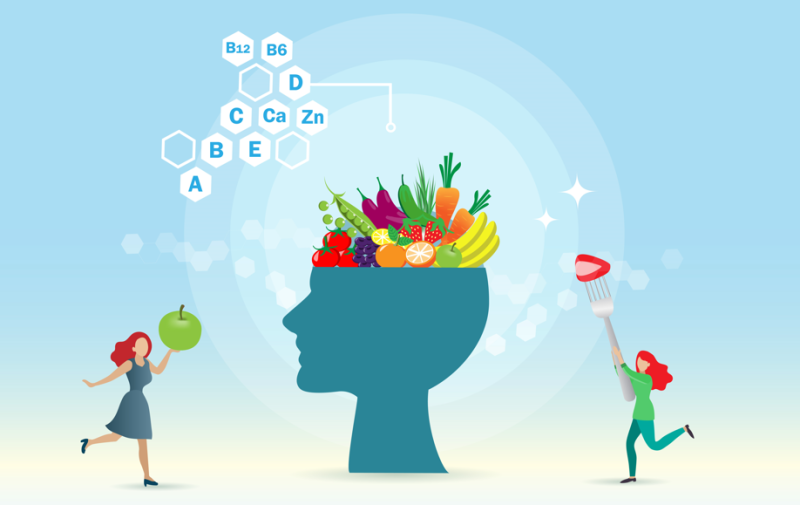
There are times when your heart sinks for no reason, or your mood fluctuates over minor things. This is especially true during the year-end and New Year season. While it could be because the body is tired, in many cases, emotional changes arrive even before physical ones. Rather than simply thinking, ‘I should get some rest today,’ try to consider the invisible flow happening inside your body—the ‘balance of chemicals in the brain.’ Emotion is not just a state of mind; it is a physiological phenomenon created by the delicate flow of neurotransmitters secreted by the brain. When this balance is shaken, our emotions can deepen and we become anxious even over trivial matters.
Serotonin and Tryptophan: Neurotransmitters Involved in Mood Stability
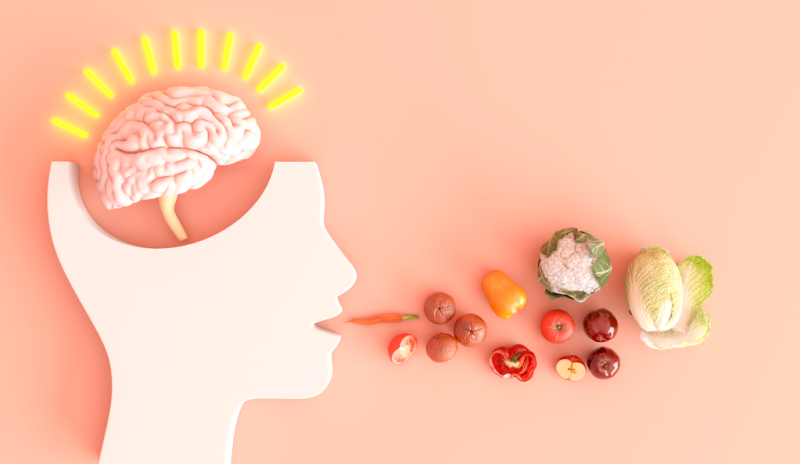
At the center of emotional regulation is a neurotransmitter called ‘serotonin.’ Serotonin plays a crucial role in stabilizing mood and alleviating anxiety. This serotonin is not produced spontaneously; it is synthesized from an essential amino acid called ‘tryptophan.’ Since tryptophan is not produced by our bodies, it must be consumed through food. Various studies report that tryptophan supplementation can help reduce anxiety or enhance positive moods in healthy adults. However, because environmental and genetic factors vary by individual, simply eating a lot of tryptophan does not immediately increase serotonin. The composition of carbohydrates in the diet and the ratio of other amino acids affect serotonin synthesis, making overall dietary balance essential.
The Role of Taurine: Regulating Nerve Excitation and Anxiety
Another balancing element of the nervous system is ‘taurine.’ This may be a familiar term to those who have consumed energy drinks. Taurine is a substance that regulates nerve excitation and stabilizes calcium concentrations within cells. It prevents signals in the brain from becoming excessively excited or imbalanced. In some animal studies, behaviors similar to anxiety and depression appeared when taurine was deficient, and the recovery of nerve cell structures was observed when it was supplemented. While human studies are still limited, there is significant potential that taurine helps maintain the balance of the nervous system and mitigates the amplitude of emotions.
The Impact of Vitamin B12 Deficiency on Emotion and Nerve Function
Vitamin B12 is also an indispensable nutrient for emotional stability. Vitamin B12 protects the myelin sheath that surrounds nerve cells, helping signal transmission flow smoothly. A deficiency in Vitamin B12 can lead to fatigue, depression, and decreased concentration, and cases have been reported where these symptoms improved when supplemented in deficient patients. However, there is still insufficient evidence that additional supplementation significantly improves mood in people with normal Vitamin B12 levels. Therefore, it is most effective to supplement appropriately when a deficiency exists.
A Meal Example to Consume Tryptophan, Taurine, and Vitamin B12 Together
As such, tryptophan (which makes serotonin), taurine (which regulates nerve excitation), and Vitamin B12 (which supports nerve signals) are interconnected to help maintain brain balance. There is a food that allows you to consume these nutrients all at once: soft seafood tofu stew (Haemul Sundubu-jjigae) is a great example. Soft tofu is rich in soy protein and contains various amino acids, including tryptophan. Consuming it cooked warm aids digestion and can slightly increase the utilization rate of tryptophan. By adding shrimp, which is rich in taurine found in marine life, and clams, which contain Vitamin B12, iron, and zinc, you can also consume the micronutrients necessary for maintaining nerve function. A meal combining tryptophan, taurine, and Vitamin B12 in one bowl can provide positive help in maintaining the neurotransmitter balance of the brain.
Seafood Soft Tofu Stew
One thing to note is that it is better not to make it too spicy when cooking. Excessive spiciness can stimulate the sympathetic nervous system and temporarily increase arousal, which may actually hinder mood stabilization. Adding a drop of perilla oil or sesame oil at the end not only adds aroma but also provides omega-3 fatty acids, which help keep brain cell membranes flexible and assist in nerve signal transmission. When your mood is easily shaken, it’s common to blame the external environment, the words of others, or a tiring day. However, since a subtle imbalance in neurotransmitter flow and nutritional status might be hidden behind it, try quietly reflecting on your nutritional state. Of course, food alone cannot solve all emotions, but now that you know the nutrients that help brain function and mood regulation, taking good care of them can be a small starting point to make the waves of emotion a little calmer. We hope you have a New Year where you comfort your heart and gain strength with a warm meal.
Field of Practice: Chronic Inflammation, Dietary Coaching, Medical Nutrition Therapy, Stress Management. Professor Lee Kyung-mi of the Chaum Food Therapy [Chronic Inflammation Clinic] and CHA University Graduate School of Medicine is a family medicine specialist focusing on the prevention and treatment of diseases through food and stress solutions. After graduating from Seoul National University College of Medicine, she completed the Integrative Medicine program at the University of Arizona, the global center for integrative medicine, to study a new type of medicine regarding ‘healing’ beyond drug prescriptions and surgery. Inquiry: Chaum Food Therapy [Chronic Inflammation Clinic] 02-3015-5300 | Health Life Center, 3rd Floor, Chaum, 4-1 Cheongdam-dong, Gangnam-gu, Seoul
