2026-06-03
Cervical Cancer Vaccine: Why Adult Women Should Get Vaccinated Too
Cervical cancer is a highly preventable disease. Learn why HPV vaccination is essential for adult women, including those in their 30s and 40s, to ensure long-term health.
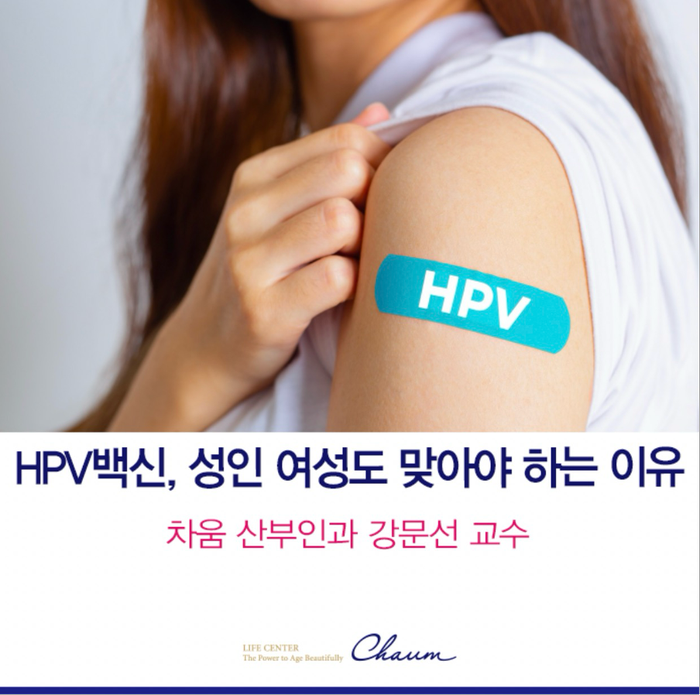
The cervical cancer vaccine is often perceived as an immunization that must be received during adolescence.
As a result, many adults hesitate to get vaccinated, thinking, ‘Is it already too late?’ or ‘Will it still be effective if I get it now?’ However, the risk of Human Papillomavirus (HPV) infection, the primary cause of cervical cancer, is not limited to a specific age group and persists throughout a woman’s adult life. In this article, we will explore why adult women should consider the cervical cancer vaccine and address common questions about the vaccination.
Why Cervical Cancer is Called a ‘Preventable Cancer’
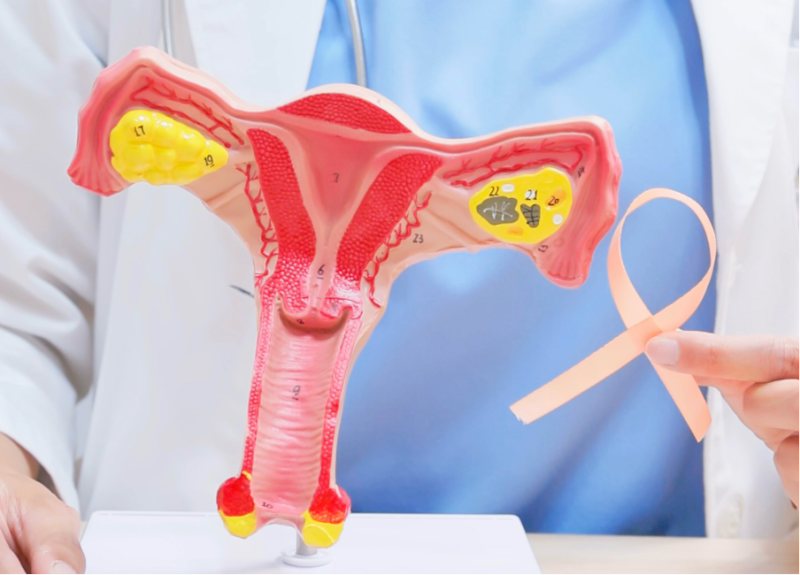
Cervical cancer has a very unique characteristic compared to other cancers: its cause is relatively clear. More than 90% of cervical cancers are known to be directly related to infection with Human Papillomavirus, or HPV. HPV is a virus transmitted through sexual contact, and it is so common that a significant number of sexually active women will experience an infection at least once in their lifetime.
The problem is not the infection itself, but rather when certain high-risk types of HPV do not clear naturally and persist in the body for a long time. This can induce abnormal changes in cervical cells, which may progress to cervical cancer over several years or even decades.
In other words, cervical cancer does not occur suddenly; it has a predictable progression structure that goes through a precancerous stage called ‘cervical intraepithelial neoplasia’ before being diagnosed as cancer. Because of these characteristics, the Korea Disease Control and Prevention Agency (KDCA) classifies cervical cancer as a representative preventable cancer and recommends HPV vaccination and regular cervical cancer screening as the most essential prevention methods. Since cervical cancer is a disease that can be prevented with high probability through vaccination, getting vaccinated is vital.
Why Adult Women Also Need the Cervical Cancer Vaccine
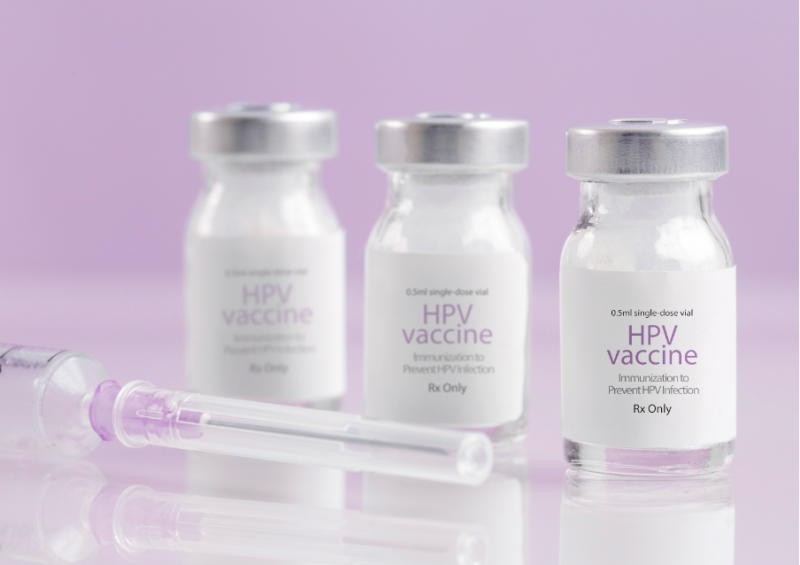
The first thought adult women often have regarding the cervical cancer vaccine is, ‘Isn’t it too late?’ Since national immunization programs are centered around adolescents, it is easy to misunderstand that the HPV vaccine is only effective for a specific age group. However, this is a policy decision to prioritize protection during the period when the preventive effect is highest; it does not mean it is ineffective for adult women. HPV is not a single virus but has over 200 types, and several of these are high-risk types directly linked to cervical cancer. It is highly unlikely that a person has been exposed to all these types simply because they have had sexual experience. Therefore, adult women still have ample opportunity to prevent high-risk HPV types they have not yet contracted through vaccination. Furthermore, HPV is a virus that can cause reinfection with different types even after a previous infection has naturally cleared. According to the guidelines of the Korean Society of Obstetrics and Gynecology, HPV vaccination in adult women aged 27 to 45 has been reported to significantly reduce the risk of persistent high-risk virus infection and the occurrence of cervical precancerous lesions.1) This suggests that the HPV vaccine is not limited to adolescence but can offer long-term cancer prevention benefits for adult women as well.
1) Korean Society of Obstetrics and Gynecology. Revised Recommendations for Human Papillomavirus (HPV) Vaccination (2023). Korean J Obstet Gynecol, 66(1), 10-25.
In particular, women who have previously had abnormal findings in cervical cytology (Pap smear) or HPV tests may have already been exposed to certain types of HPV. While vaccination at this stage is not intended to treat existing infections, it is meaningful in preventing additional infections from other high-risk HPV types. Additionally, recent reports show an increasing trend in HPV infection rates among women in their 30s and 40s.2) This is linked to social changes such as shifting marriage ages, increases in divorce and remarriage, and the formation of new sexual partnerships later in life. This confirms that the risk of HPV infection is not confined to a specific age and continues to exist throughout adulthood.
2) Korean Society of Gynecologic Oncology. Latest Insights on HPV Vaccines. KSGO Newsletter. 2021 Apr;18-20.
Why HPV Prevention is Important for Women Planning Pregnancy
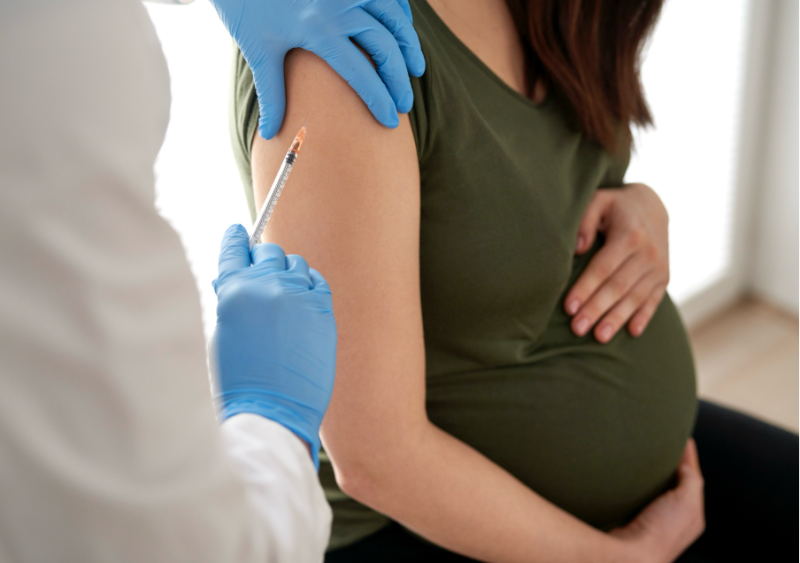
For women planning a future pregnancy, HPV prevention is also considered an important health management factor. While pregnancy itself does not cause HPV infection, changes in the immune system during pregnancy can cause latent HPV to become active or related lesions to progress. Consequently, more medical professionals are now considering HPV vaccination as part of pre-pregnancy health management.3) The cervical cancer vaccine is not a ‘choice that ends if you miss the window,’ but a preventive tool that can be reconsidered based on an individual’s health status and life stage.
3) Moon Se-young. Increasing cases of checking for HPV infection while planning pregnancy. HiDoc. https://news.hidoc.co.kr/news/articleView.html?idxno=23481
Myths and Truths About the Cervical Cancer Vaccine
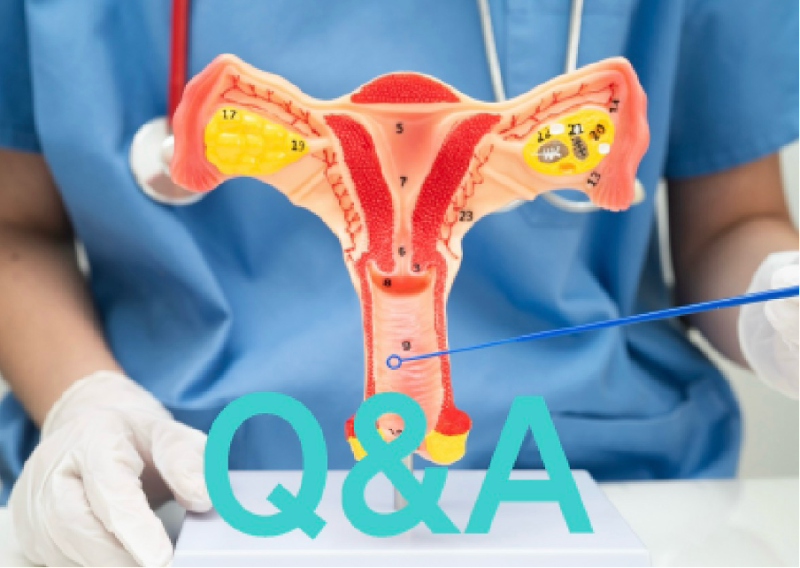
Questions naturally follow regarding whether revaccination is necessary or if screenings are no longer needed after vaccination. Let’s address some of the most common questions about the cervical cancer vaccine.
Q1. I have already been vaccinated; do I need to get the 9-valent vaccine again?
Revaccination may be considered to block high-risk types common among Koreans and to fill preventive gaps. The older 4-valent vaccine focused on preventing types 16 and 18, which account for about 70% of cervical cancer causes. In contrast, the 9-valent vaccine adds five more high-risk types (31, 33, 45, 52, and 58), expanding the prevention range to over 90%. According to domestic epidemiological surveys, Korean women show a very high detection rate of HPV types 52 and 58 in precancerous cervical lesions.4) Therefore, even if you have completed the 2-valent or 4-valent series, revaccination with the 9-valent vaccine is recommended to broaden the scope of protection.
4) Kim Yun-mi. HPV types 52 and 58 infection rates higher than in other countries. The Korean Doctors’ Weekly. https://www.docdocdoc.co.kr/news/articleView.html?idxno=1066704
Category | 4-valent Vaccine | 9-valent Vaccine |
Included HPV Types | 6, 11, 16, 18 | 6, 11, 16, 18 + 31, 33, 45, 52, 58 |
Cervical Cancer Prevention Range | Approx. 70% | Approx. 90% or more |
Suitability for Korean Women | Basic prevention | Includes additional high-frequency types |
Application for Adult Women | Limited | Actively consider after consultation |
Q2. If I complete the vaccination, can I stop getting cervical cancer screenings?
No. Since the vaccine does not block 100% of all risks, regular screenings are essential. While the HPV vaccine significantly lowers the risk of cancer, it does not completely prevent infection by all high-risk HPV types. Furthermore, it has no therapeutic effect on viruses already contracted before vaccination, so it is necessary to continuously monitor for the development of lesions. Regardless of vaccination status, it is recommended that women aged 20 and older undergo a regular cervical cancer screening every two years.
Q3. Is the vaccine ineffective if I have sexual experience or am in my 30s or 40s?
The vaccine shows clear effects in preventing new infections and inhibiting lesion progression in adult women as well. It is rare for an adult woman to be infected with all types of HPV simultaneously. Through vaccination, you can build immunity against other high-risk viruses you haven’t been exposed to yet, which lowers the future risk of precancerous lesions. The Korean Society of Obstetrics and Gynecology recognizes the effectiveness of vaccination for adult women up to the age of 45.
Q4. Should men get the HPV vaccine too?
Vaccination for men is an important preventive measure for their own health as well as for their partners. When men are vaccinated, it blocks the transmission route of the virus, contributing to a herd immunity effect that helps prevent cervical cancer in women. Additionally, men can prevent diseases such as genital warts, anal cancer, and oropharyngeal cancer caused by HPV, so vaccination is recommended for both men and women.
Q5. Is it useless to get the vaccine if I am already infected with HPV?
While the cervical cancer vaccine is not a treatment, it helps prevent reinfection and additional infection with other types of HPV. Furthermore, antibodies formed through the vaccine are stronger and last longer than those produced after a natural infection. Therefore, even with a history of infection, vaccination is beneficial from a long-term preventive perspective.
Cervical cancer is a cancer with clear causes and prevention strategies. The HPV vaccine is not just a choice for a specific age group, but a long-term prevention strategy for your current and future health. It is most important to establish a prevention plan that is right for you through thorough consultation with medical professionals.
Supervised by: Professor Kang Moon-sun, Department of Obstetrics and Gynecology, Chaum Outpatient Clinic
Fields of Practice: Women’s diseases, clinic for single women, menopause clinic. Professor Kang Moon-sun, currently in charge of Chaum’s Obstetrics and Gynecology department, diagnoses and treats various women’s conditions such as uterine fibroids, vaginitis, abnormal bleeding, irregular menstruation, and menopause. She is well-known for her meticulous and comfortable examinations and is an active member of the Korean Society of Menopause and the Korean Society of Ultrasound in Obstetrics and Gynecology, where she continues her research.
Inquiries
Chaum Obstetrics and Gynecology 02-3015-5300 | 2nd Floor, Outpatient Center, Chaum, Cheongdam-dong, Gangnam-gu, Seoul
