2026-06-03
The Cause of Fatigue and Low Immunity: Mineral Imbalance
Chronic fatigue and low immunity may be caused by mineral imbalances. Learn about the importance of minerals, how to test for imbalances, and tips for maintaining a healthy balance.

If you maintain healthy lifestyle habits but still suffer from vague symptoms like chronic fatigue, unexplained pain, or indigestion, the cause may be a deficiency or imbalance of mineral nutrients. Mineral imbalances can disrupt the body’s metabolic functions, leading to fatigue, weakened immunity, and hormonal abnormalities. In this article, we will explore why mineral nutrients are so important and how you can test for and manage them.
Why Are Mineral Nutrients Important?
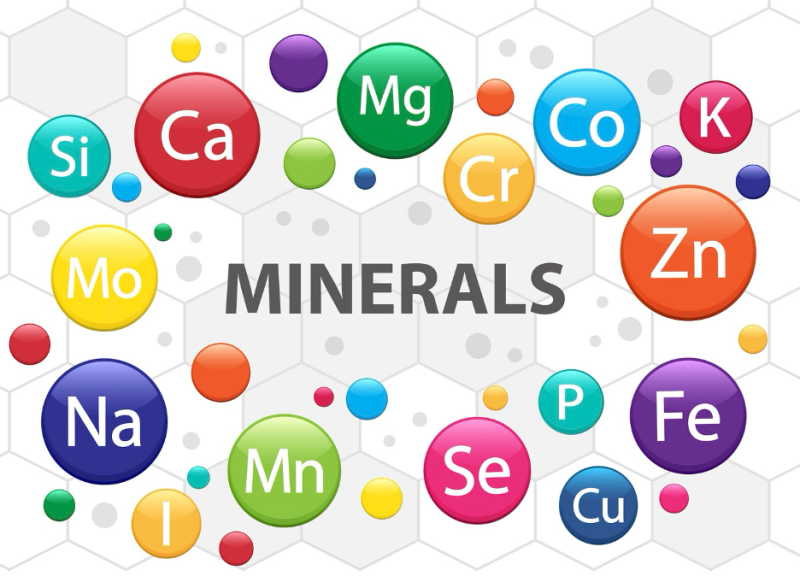
Minerals (inorganic substances) are essential nutrients that the human body cannot synthesize on its own, so they must be consumed through food. Calcium, potassium, magnesium, zinc, iron, and selenium are involved in the formation of bones and teeth, nerve transmission, muscle contraction, enzyme and hormone action, and cellular energy production.
Key Functions of Mineral Nutrients | |
Main Function | Detailed Role |
Body Structure | Formation of bones and teeth (Calcium, Phosphorus) |
Biological Regulation | Nerve transmission, muscle contraction, enzyme and hormone action, cellular energy production |
Immunity and Blood | Oxygen transport (Iron), immune function support (Zinc, Selenium) |
In particular, minerals act as ‘coenzymes’ alongside vitamins to facilitate metabolic processes. Therefore, a deficiency or excess of minerals can lead to metabolic diseases, fatigue, and increased inflammatory responses, making balanced intake tailored to your body’s condition crucial. Mineral imbalances can lead to a wide range of health problems, including chronic fatigue, weakened immunity, and increased cardiovascular risk. *Coenzyme: A non-protein organic compound that binds with an enzyme (protein) to assist in chemical reactions; minerals act as cofactors that aid these enzymatic reactions.
Major Symptoms of Mineral Deficiency | ||
Mineral Type | Key Function | Deficiency Symptoms |
Calcium | Bone/tooth formation, nerve transmission, muscle contraction regulation | Osteoporosis, muscle cramps, numbness |
Magnesium | Energy metabolism, muscle relaxation, stress regulation | Fatigue, insomnia, palpitations |
Zinc | Immune function, wound healing, maintenance of taste | Weakened immunity, hair loss, loss of appetite |
Selenium | Antioxidant action, thyroid function maintenance | Fatigue, weakened immunity |
Iron | Oxygen transport in blood, energy metabolism | Anemia, poor concentration |
Potassium | Sodium balance, blood pressure regulation, nerve transmission | Edema, muscle weakness, fatigue |
Identifying Mineral Imbalance through Hair and Urine

Even if basic blood tests show no abnormalities, if fatigue, muscle pain, or poor concentration persist, you can more precisely check your body’s metabolic state through a hair mineral analysis or a urine organic acid test.
Hair Mineral Analysis
Because hair reflects the body’s state over a longer period than blood, it can simultaneously identify mineral concentrations (imbalances in micronutrients like magnesium, zinc, and selenium) and the accumulation of heavy metals (such as lead, mercury, cadmium, and arsenic). By analyzing the ratio between essential minerals and heavy metals, one can predict detoxification capacity, chronic inflammation, and oxidative stress risks.
· Identifying Essential Mineral Status: Measures concentrations of key minerals like calcium, magnesium, zinc, and selenium to identify deficiencies or excesses. · Evaluating Heavy Metal Accumulation: Assesses environmental exposure to lead (Pb), mercury (Hg), cadmium (Cd), and arsenic (As). · Correlation Analysis: Identifies how heavy metals interfere with mineral absorption (e.g., competition between cadmium and zinc). · Checking Accumulation History: Provides a mineral status history of approximately 3 to 6 months, making it useful for comparing and tracking health status before and after treatment. |
Urine Organic Acid Test
By analyzing organic acid metabolites excreted in the urine, this test evaluates energy metabolism efficiency, mineral and vitamin coenzyme function, detoxification capacity, and heavy metal exposure.
· Identifying Energy Metabolism Abnormalities: Metabolism decreases when magnesium, zinc, selenium, etc., are deficient. · Identifying Coenzyme Deficiencies: Detects deficiencies in B vitamins, Coenzyme Q10, and lipoic acid. · Evaluating Detoxification Function: Used as an indirect indicator, as organic acids rise when heavy metals accumulate. · Identifying Links to Metabolic Syndrome: Some studies have reported a correlation between organic acid levels and obesity/hypertension.1) |
1) Ji-Hee Haam et al., ‘Urine organic acids may be useful biomarkers for metabolic syndrome and its components in Korean adults,’ Clinical Chemistry and Laboratory Medicine (CCLM) 59, no. 11 (2021)
How to Maintain Mineral Balance in Daily Life

Since minerals are not synthesized within the body, a balanced diet and lifestyle management are essential.
🍽️ Supply through a Balanced Diet
Minerals can be sufficiently consumed through everyday foods. For example, calcium is easily supplied through dairy products like milk, yogurt, and cheese, or small fish eaten with bones (e.g., anchovies, sardines), and green vegetables. Magnesium can be obtained relatively easily from nuts, whole grains, legumes, and leafy greens, while zinc is abundant in oysters, meat, legumes, and nuts. Additionally, selenium is found in seafood and lesser-known foods like Brazil nuts.
Foods Rich in Minerals | |
Mineral | Food Groups |
Calcium | Milk, anchovies, tofu, broccoli |
Magnesium | Nuts, whole grains, bananas, spinach |
Zinc | Oysters, beef, egg yolks, legumes |
Selenium | Seafood, Brazil nuts, eggs |
Iron | Liver, red-fleshed fish, spinach, lentils |
Potassium | Bananas, potatoes, tomatoes, seaweed |
According to recent domestic research data, while the average magnesium intake of the Korean population has nearly reached the recommended level, it was reported that approximately 45% of people consume less than the average required amount.2) This shows that magnesium intake may still be insufficient in some populations, highlighting the importance of a balanced diet and proper mineral intake.
🏃♀️ Lifestyle Management and Regular Check-ups
Adequate hydration and regular exercise facilitate mineral metabolism and enhance utilization within the body.
Conversely, lack of sleep, stress, and excessive dieting can accelerate mineral loss, so caution is needed.
Furthermore, it is safe to check your mineral status through regular health check-ups and, if necessary, take supplements after consulting with a specialist.
2) Korea Disease Control and Prevention Agency, ‘Status of Magnesium and Zinc Intake among Koreans,’ KDCA Academic Journal 2022, https://zrr.kr/MD5tEI.
Common Questions about Mineral Balance!

Q1. Is it better to consume as many minerals as possible?
No. While a deficiency is problematic, an excess can also be toxic. For example, excessive iron intake can cause liver damage or oxidative stress, and excessive zinc can interfere with copper absorption. It is important to consume the appropriate amount considering your individual eating habits and health status.
Q2. Can I balance my minerals through exercise alone?
Exercise actually causes minerals to be lost through sweat, so more careful supplementation is needed to maintain balance. Magnesium and potassium, in particular, are easily lost through sweat, so it is recommended to consume mineral-rich foods or drinks along with water after exercising.
Q3. Are mineral supplements safe for everyone?
Supplements are ‘additional support,’ not a ‘primary replacement.’ If a deficiency is confirmed in a health check-up, or if you have symptoms such as decreased absorption, dietary restrictions, or chronic fatigue, it is safe to take them in a customized manner after consulting a specialist. Indiscriminate intake can interfere with the absorption of other minerals or cause side effects.
True health begins with the power to maintain balance within the body, rather than just visible numbers. Among these, minerals are essential nutrients that play small but vital roles. If you experience persistent unexplained fatigue, poor concentration, muscle cramps, or weakened immunity, it is a good idea to check your mineral status. Small changes in balance make a big difference in health. We wish you a healthy day today.
Supervised by: Professor Ji-heon Yang, Power Aging Clinic, Chaum Health Life Center
Inquiries
Chaum Health Life Center 02-3015-5005 | 3rd Floor, Chaum, 442 Dosan-daero (4-1 Cheongdam-dong), Gangnam-gu, Seoul
