2026-06-03
Complete Guide to the 2025-2030 Dietary Guidelines for Americans (DGA) | Key Healthy Eating Changes Koreans Should Note
Explore the 2025-2030 Dietary Guidelines for Americans (DGA), featuring key shifts like increased protein, real food emphasis, and the inclusion of Kimchi.
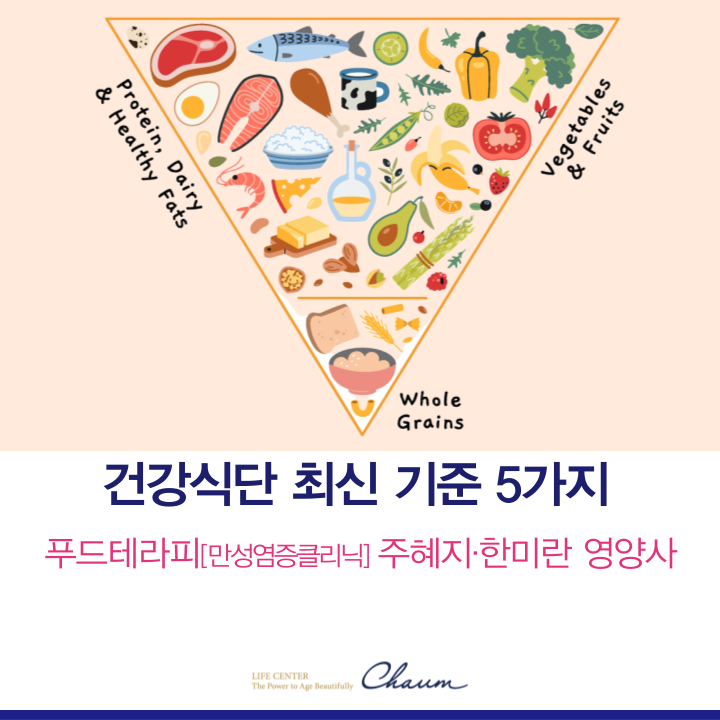
Earlier this year, the U.S. government released the new
‘Dietary Guidelines for Americans.’
This guide is updated every five years and influences global nutrition policies and health trends.
Check out these healthy strategy points applicable to Korean eating habits, including minimizing added sugars, increasing protein intake, and limiting ultra-processed foods.
Hamburgers, sodas, processed foods, sugary coffee, protein supplements...
These diets are no longer just a story of the United States. Korean eating habits are rapidly becoming Westernized, and the rate of increase in obesity, diabetes, and metabolic diseases is mirroring the trends seen in the U.S.

The ‘2025-2030 Dietary Guidelines for Americans,’ announced by the U.S. Department of Health and Human Services (HHS) and the Department of Agriculture (USDA), is the official guide outlining the dietary direction for Americans over the next five years. Beyond being a simple foreign policy document, it serves as a realistic health message that prompts us to reflect on our own eating habits. Today, along with nutritionists Hye-ji Joo and Mi-ran Han from the Chaum Food Therapy Clinic, we will explain the core directions of the 2025-2030 U.S. Dietary Guidelines and how they differ from the previous 2020-2025 version.
Core Directions of the Healthy Dietary Guidelines
The core can be summarized into the following five points.
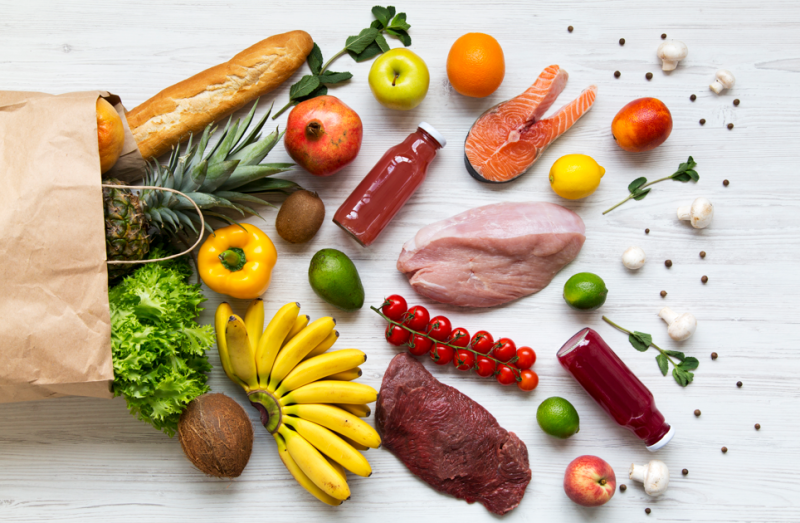
Emphasis on ‘Real Food’ consumption
Upward adjustment of protein intake △
Minimize added sugars ▽
Rediscovery of healthy fats!
Limiting ultra-processed foods
Healthy Dietary Guideline ① Consuming ‘Real Food’
The guidelines emphasize a diet composed of ‘Real Food’—natural foods with minimal processing. It recommends prioritizing nutrient-dense foods such as fresh vegetables, fruits, and whole grains.
Healthy Dietary Guideline ② Increased Protein Intake
To maintain muscle and activate bodily functions, the recommended protein intake has increased by approximately 1.5 to 2 times compared to previous standards. The goal is to consume protein at every meal, aiming for 1.2g to 1.6g per 1kg of body weight daily. For example, a person weighing 50kg should consume 60 to 80g of protein per day.
Healthy Dietary Guideline ③ War on Sugar! Minimize Added Sugars
Sugar-free! It is recommended to reduce the intake of sugar and sweeteners to near zero (less than 10g). In particular, the guidelines take a firm stance that zero-calorie non-sugar sweeteners are not a healthy alternative, advising that we should ultimately reduce our preference for sweetness itself.
Healthy Dietary Guideline ④ Rediscovery of Healthy Fats - Is Low-Fat Always Better? NO
Instead of unconditionally choosing ‘low-fat’ foods, the guidelines recommend consuming natural animal fats within 10% of total calories. Consuming natural animal fat sources such as meat, eggs, seafood, and full-fat dairy products in moderation can be a great help in managing cardiovascular health. *Full-fat dairy: Refers to dairy products where the milk fat (approximately 3.25% to 4% or more) has not been artificially removed or reduced from the raw milk. These products offer a rich flavor, abundant nutrients, and fats that aid in the absorption of vitamins A, D, E, and K.
Healthy Dietary Guideline ⑤ Limiting Ultra-Processed Foods
Ultra-processed foods such as frozen pizza, processed meats (sausages, ham), and sodas—which are low in nutritional value and contain artificial additives, refined carbohydrates, and excessive sodium—are identified as major culprits of chronic diseases and should be limited.
How Does It Compare to the Past? 2020-2025 vs. 2025-2030 Dietary Guidelines
As shown in the [Table] below, the 2025-2030 U.S. Dietary Guidelines contain several important changes compared to five years ago. They have been revised into more specific and realistic dietary instructions.
Notably, regarding dairy intake, unlike the past focus on low-fat and fat-free options, the new guidelines encourage choosing unsweetened ‘full-fat’ products.
Furthermore, while previous guidelines advised reducing saturated fats found in animal products and replacing them with ‘vegetable oils’ high in unsaturated fatty acids, the current guidelines allow for saturated fats from ‘natural animal sources’ within 10% of total calories, thereby diversifying the types of fat sources that can be consumed.
Category | 2020-2025 Guide | 2025-2030 Guide | Changes |
Protein | 0.8g per 1kg of weight | 1.2~1.6g per 1kg of weight | Increased protein intake per meal |
Dairy | Low-fat, Fat-free | Unsweetened, Full-fat | Healthy fat intake |
Fats | Reduce saturated fats Replace with vegetable oils | Saturated fat within 10% of total calories Animal fats permitted! | |
Added Sugars / Artificial Sweeteners Refined Carbs | ‘Recommended’ restriction | ‘Emphasized’ restriction | Minimize added sugars Under 10g per meal |
Gut Health | Fiber-rich natural fermented foods, hydration | Microbiome (gut bacteria) importance emphasized | ‘Kimchi’ officially mentioned in fermented food group |
Chronic Disease Diet | Low-fat, Balanced diet | Low-carb diet recognized | |
Conversely, restrictions on added sugars, artificial sweeteners, and refined carbohydrates have been strengthened. The recommendation is now less than 10g of added sugar per day, showing a clear commitment to reducing sweetness.
A welcome addition for us is that ‘Kimchi’ has appeared on the official recommendation list. In addition to existing fiber recommendations, the importance of the microbiome (gut bacteria) for gut health has come to the forefront, leading to the inclusion of fermented foods like Kimchi and kefir.
Finally, regarding diets for chronic diseases, the guidelines have moved beyond the traditional low-fat, balanced diet to mention that a low-carbohydrate diet can be helpful, presenting a diverse and realistic approach to disease management.
These ‘2025-2030 Dietary Guidelines for Americans’ offer significant implications for Korean eating habits as well.
As the blog editor, I also reflected on my own diet while reviewing this information.
I used to think ‘zero-sugar drinks should be fine’ and didn’t think much of consuming sugar substitutes,
but I’ve come to realize that I need to be more vigilant about sweetness itself.
On the other hand, it was quite welcome news to hear that beyond bland low-fat milk and unsaturated fats (vegetable oils),
savory full-fat milk and a certain amount of saturated fat intake are also recommended.
Please take a close look at the information provided today,
and I hope our readers will also check their diets for the health of themselves and their families.
Review: Nutritionist Hye-ji Joo, Nutritionist Mi-ran Han, Chaum Food Therapy [Chronic Inflammation Clinic]
Fields of Practice: Chronic inflammation, dietary habit change coaching, medical nutrition therapy, stress management. Professor Kyung-mi Lee of Chaum Food Therapy [Chronic Inflammation Clinic] and CHA University Graduate School of Medicine is a family medicine specialist focusing on disease prevention and treatment through food and stress solutions. After graduating from Seoul National University College of Medicine, she completed the Integrative Medicine program at the University of Arizona, a global center for integrative medicine, to study a new form of medicine focused on ‘healing’ beyond just drug prescriptions and surgery.
Inquiries
Chaum Food Therapy [Chronic Inflammation Clinic] 02-3015-5300 | Health Life Center, 3rd Floor, Chaum, 4-1 Cheongdam-dong, Gangnam-gu, Seoul
