2026-06-03
Comprehensive Guide to Hair Loss Prevention and Management | Lifestyle Habits, Washing Techniques, Scalp Care, Diet, and Procedures
Learn essential tips for hair loss prevention, from the correct way to wash your hair at night to scalp-friendly diets and professional medical treatments.
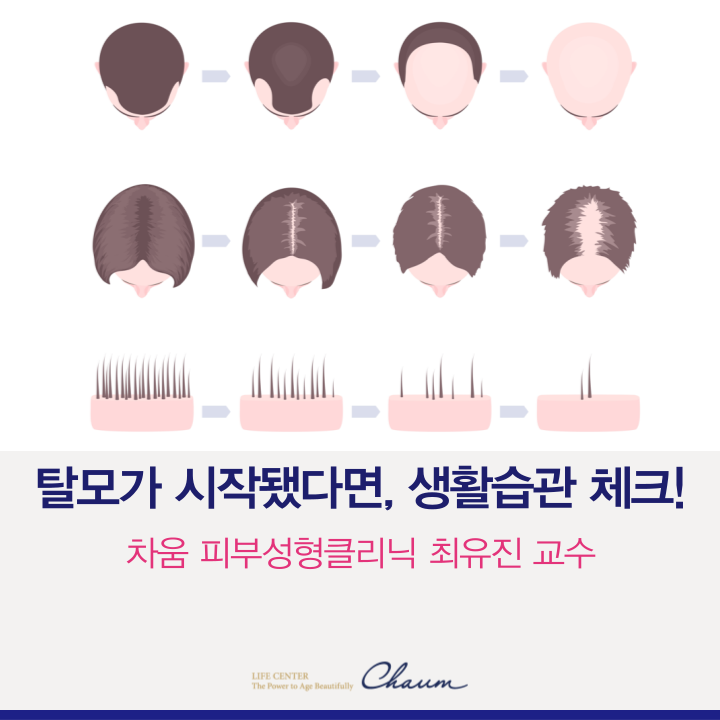
Have you ever looked at a photo of yourself and thought,
‘My crown looks a bit thinner than before..’
Or noticed more hair falling out,
And felt that your ponytail doesn’t feel as thick as it used to?
‘Could this be the start of hair loss?’
If you’ve had these thoughts, managing your lifestyle habits from now on is crucial.
Today, we will cover everything from lifestyle habits and hair washing techniques to scalp care and diet for hair loss prevention and management!
The Foundation of Hair Loss Prevention and Management: Lifestyle Habits
While hair loss can be genetic, the rate of progression can vary depending on lifestyle management. Daily habits such as sleep, shampooing routines, and scalp irritation levels determine the health of your scalp environment. 10 PM to 2 AM is known as the most active time for body regeneration. The scalp also experiences active hair follicle cell activity during this time due to the secretion of regenerative hormones. It is best to get plenty of sleep during these hours. Additionally, regular exercise and stress management through meditation or walking are beneficial for hair root health.
Why Washing Your Hair at Night is Better Than the Morning
Scalp UV Exposure: If you wash your hair in the morning, your scalp is exposed to UV rays with its natural oils stripped away. The scalp is also skin and can become sensitive due to UV rays, just like your face. Since it receives direct sunlight at the highest point of the body, exposure without a protective barrier leads to damage, sebum buildup, and dead skin cells, creating an environment prone to hair loss. Furthermore, pollutants like dust and sebum accumulate on the scalp and hair during the day, so sleeping without washing them off is detrimental to scalp health.
Thorough Scalp Cleansing with Evening Shampoo: Conversely, washing your hair at night removes the day’s accumulated waste and sebum, allowing hair to grow better during the scalp’s regeneration period (10 PM to 2 AM). It is recommended to shampoo at least one hour before bed. For those concerned with dandruff or excessive oil, using a scalp-specific tonic before shampooing can help. Scalp tonics assist in removing hardened dead skin cells and old waste that are difficult to remove with shampoo alone. However, if you have seborrheic dermatitis characterized by itching and redness, be cautious as tonics may cause irritation.
Ideal Water Temperature and Cleansing Method for Hair Loss Management
Shampoo Water Temperature: 37°C, Similar to Body Temperature. Cold water does not wash away waste effectively, while hot water irritates the scalp and hair. The appropriate temperature is around 37°C, similar to body temperature. When shampooing, thoroughly wet the hair and focus on cleansing the scalp rather than just the strands. When rinsing, use the ‘fingerprints’ of your fingers rather than your nails to meticulously massage the pores without scratching the scalp.
Drying with Natural or Cool Air
Dry Your Hair with Cool Air: First, remove excess moisture by gently patting with a towel. The hot air from a hair dryer increases scalp temperature and irritates hair follicles. This can dry out the scalp and disrupt the oil-moisture balance, potentially leading to hair loss. It is best to dry your hair using the cool setting of a dryer or natural air. If using a dryer, keep it at least 15cm away. However, leaving your hair completely wet and unmanaged can also cause hair loss, so be careful.
📍 Hair Loss Prevention & Management Lifestyle Checklist:1. Wash hair at night (at least 1 hour before sleep)2. Respect scalp regeneration time (10 PM – 2 AM)3. Use lukewarm water at 37°C4. No nails! Massage scalp with fingerprints5. Dry with natural or cool air
Scalp Care and Massage Tips
5–15 Minutes of Scalp Massage Daily
Stimulating the scalp improves blood circulation and activates the metabolism of cells beneath the scalp. This ensures nutrients are smoothly supplied from the roots to the tips of the hair and helps expel waste products more effectively.
5–15 Minute Scalp Massage: ① Relax your shoulders and body, then gently press the hollow area where the back of the head meets the neck with both hands. ② Place both hands behind your head and press the area level with the top of your ears using your middle three fingers. ③ Slowly press along the straight line from the crown to the back of the head. ④ Place both hands on the center part and press gently while moving down the sides. ※ Wait, is it true that tapping the scalp with a brush helps prevent hair loss? NO. This is a common misconception. While scalp massage helps circulation, simply tapping with a brush is unlikely to prevent hair loss. In fact, excessive brushing can cause micro-tears in the scalp, increasing dead skin cells and sebum. Especially if you have dandruff or inflammation, brushing can be irritating, so avoid hitting your head hard with a brush.
Managing Your Daily Brush – When Was the Last Time You Washed It?
Don’t Overlook Brush Cleaning: Brushes used several times a day become breeding grounds for bacteria if not kept clean, as they accumulate waste, dandruff, and sebum. This can lead to scalp inflammation and itching. It is important to wash your brush regularly. Disinfect it with a cotton pad soaked in medical alcohol or an alcohol swab, or soak it in soapy water (shampoo) and rinse thoroughly. Avoid sharing brushes with others or using the same brush for more than a year.
5 Foods That Help Prevent Hair Loss
Nutritionists Hye-ji Joo and Mi-ran Han from the Chaum Food Therapy [Chronic Inflammation Clinic] introduce five ingredients that help with hair loss:
Black Beans: An essential food for hair loss prevention. Black beans are a source of amino acids necessary for making keratin, the main component of hair. They are rich in plant-based protein and essential amino acids like cysteine and lysine. They also contain anthocyanins, isoflavones, and polyphenols—antioxidants that aid scalp circulation and nutrient supply to hair roots. Regular consumption is recommended for healthy hair.
Boiled Eggs: Eggs are rich in protein, L-cysteine, and biotin. L-cysteine is known to maintain elastic and strong hair by involving itself in the protein structural bonds of the hair. However, eating raw eggs is not recommended. A substance called ‘avidin’ in raw egg whites interferes with biotin absorption, so always eat eggs cooked.
Fatty Fish: Fish like salmon, mackerel, tuna, and sardines are rich in Omega-3, protein, selenium, and Vitamin B. Proper intake helps increase hair density and keeps the scalp moisturized for healthy hair.
Spinach: A great ingredient for scalp health containing iron, Vitamin C, folate, magnesium, and biotin. Spinach consumption can help improve iron deficiency, a major cause of female hair loss, and its Vitamin C aids collagen synthesis and antioxidant action.
Nuts: Walnuts, almonds, peanuts, and cashews are rich in Vitamin E, Omega-3, and zinc, providing blood flow improvement and antioxidant effects. Walnuts are particularly rich in plant proteins that form keratin, while alpha-linolenic acid (an Omega-3) improves circulation. Almonds contain high amounts of Vitamin E, which protects hair, reduces scalp inflammation, and keeps follicles healthy. Recommended intake is about 10–20 nuts per day, preferably a variety.
Bonus: There is also an interesting story about the relationship between hair loss and Matcha~
Reference: Cha Hospital Official Blog
https://blog.naver.com/chagroup/224128767603
When Lifestyle Habits Aren’t Enough: Hair Loss Products, Medication, and Procedures
Early Diagnosis and Assessment by Medical Professionals is Essential
There are limits to treating and preventing hair loss with products alone. If hair loss has already progressed, relying solely on products is inappropriate. If you suspect hair loss, it is most important to visit a clinic for an accurate diagnosis.
For men, taking medications like Finasteride or Dutasteride can delay progression by inhibiting the production of DHT (Dihydrotestosterone). However, these are prohibited for women of childbearing age due to the risk of fetal malformation. For women, topical Minoxidil or oral contraceptives prescribed after a doctor’s consultation may be used.
Scalp Botox for Hair Loss Management
Scalp Botox helps relax scalp muscles, reducing tension and improving blood flow. This increases the supply of oxygen and nutrients to the hair follicles, promoting hair health. It also reduces sebum secretion, which can improve the scalp environment for those with seborrheic dermatitis. If you are undergoing management programs like a hair spa, combining this every 3–6 months is recommended.
Choosing a Hair Loss Shampoo
Many people first try shampoos advertised for hair loss. These shampoos contain ingredients that help alleviate scalp inflammation and provide nutrients. However, for male-pattern baldness (androgenetic alopecia), the pathophysiology of the hair follicle is more important than the scalp surface. Since male-pattern baldness often has complex causes, these shampoos may offer some help but have limited direct effects. Some patients wait until their condition worsens while using functional products before visiting a clinic; please be careful not to miss the optimal treatment window.
Check Ingredients for Allergens: When choosing a hair loss shampoo, those with sensitive skin should avoid products with too many functional ingredients, as they may cause irritation or allergic contact dermatitis. For oily skin with high sebum production, certain ingredients can clog pores and cause folliculitis. It is recommended to use cosmetic ingredient apps or consult a specialist before choosing a shampoo.
The key to hair loss prevention and management is consistent attention to lifestyle habits, washing methods, scalp care, and diet.
Try practicing these methods one by one to protect your healthy scalp and hair!
Fields of Practice: Skin diseases, whitening, lifting lasers, acne, hair loss treatment. Dermatologist Dr. Yu-jin Choi specializes in non-surgical anti-aging and whitening, treating skin diseases, pigment disorders, and performing lifting procedures like Ultherapy and Thermage. She is renowned for providing meticulous skin care by advising on the most suitable procedures and home care routines based on individual skin types and age.
Inquiries
Chaum Dermatology & Plastic Surgery Clinic (Cheongdam-dong) | 2F Beauty Life Center, Chaum, 4-1 Cheongdam-dong, Gangnam-gu, Seoul
